IN Brief:
- Encavis has completed €282 million of non-recourse financing for a 351MW Italian solar portfolio.
- The package covers nine plants, including the 265MW Giotto portfolio and approximately 86MW of additional projects.
- The financing structure preserves flexibility to integrate battery storage as Italian market conditions develop.
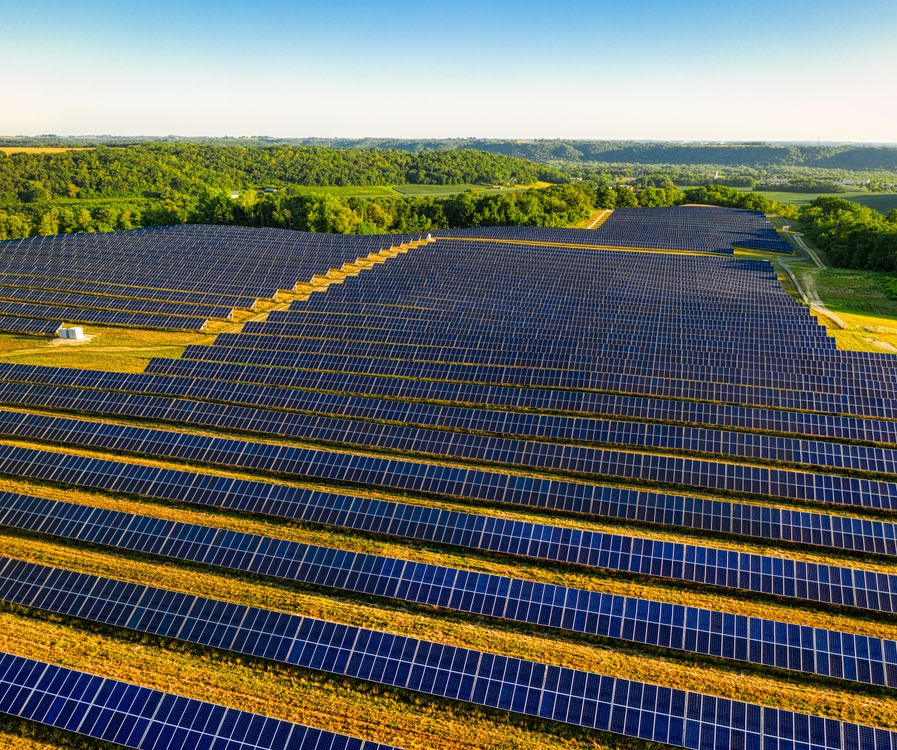
Encavis has completed €282 million of long-term non-recourse project financing for a 351MW solar portfolio in Italy, replacing acquisition funding and providing capital for four additional photovoltaic developments alongside the previously acquired Giotto assets.
The financed portfolio combines 265MW from Giotto with approximately 86MW across four additional projects, taking total capacity to around 351MW. It covers nine plants located mainly in Lazio, with additional sites in Puglia, Piemonte, and Emilia-Romagna.
Encavis subsidiary Stern Energy is acting as EPC contractor for several of the developments and is expected to provide operations and maintenance services across all nine plants. The common O&M structure gives the portfolio a single platform for monitoring technical performance, maintenance planning, and plant availability even though the projects remain exposed to different local network and operating conditions.
The financing includes a €244 million term facility divided into two tranches maturing at the end of 2049, alongside a €10 million debt-service reserve facility and a €28 million letter-of-credit facility. A banking consortium including Bank of America, Bayerische Landesbank, BNP Paribas, Rabobank, Deutsche Bank Luxembourg, and UniCredit is supporting the transaction.
Moving from acquisition finance into long-term project debt changes the financial structure around the plants once ownership and development risks have become clearer. Non-recourse lenders rely primarily on project cash flows and contractual protections rather than the wider corporate balance sheet, making generation forecasts, operating costs, availability, grid access, insurance, and technical due diligence central to the financing case.
The financing has also been structured to retain flexibility for battery storage to be added later. That option is increasingly relevant as additional photovoltaic capacity increases the difference between periods of strong daytime production and electricity demand later in the day.
Storage could allow individual sites to retain part of their solar output for later discharge, although the value would depend on the local connection, export limits, available land, price spreads, market access, and the additional capital required. A battery also changes the electrical behaviour of the site because the connection may need to accommodate import as well as export.
Encavis already has a separate foothold in Italian storage. The company acquired a 65MW/260MWh standalone battery at Ceprano in Lazio, with commissioning targeted for 2028. Ceprano is not part of the newly financed solar portfolio, but it gives Encavis direct exposure to the engineering and commercial requirements of four-hour storage in the same national market.
Adding batteries to the nine solar sites would require more than placing containers beside existing arrays. Engineers would need to assess grid-connection capacity, transformer ratings, metering, protection, controls, cable routes, fire separation, auxiliary supplies, and how the battery interacts with existing inverter and plant-control systems.
Financing documents would also have to account for the changed operating profile. A solar-only project is predominantly an exporting generator whose output follows irradiation, whereas a solar-plus-storage site may import, export, charge, discharge, and participate in additional markets. That introduces different revenue streams and operating risks into a structure originally underwritten around photovoltaic generation.
Italy’s growing solar fleet strengthens the case for that flexibility without guaranteeing it will be economic at every site. High photovoltaic output can suppress daytime wholesale prices, creating potential spreads into later periods, but batteries lose energy through conversion and degradation and incur additional financing and operating costs.
The regional spread of Encavis’s portfolio also means storage economics could vary materially between projects. Network congestion, available grid headroom, local curtailment risk, solar production profiles, connection voltage, and market arrangements may favour batteries at some locations while leaving others better suited to continued generation-only operation.
Long-dated debt places additional emphasis on technical performance because lenders require confidence that the assets can service their obligations over several equipment and maintenance cycles. Module degradation, inverter replacements, availability guarantees, insurance, reserves, and O&M performance all influence whether forecast cash flows remain achievable over the financing period.
The option to add batteries later avoids fixing the storage configuration before those market and technical conditions are clear. It also allows storage decisions to follow changes in Italian market design and grid requirements rather than being tied to the timetable of the original solar acquisition.
The €282 million transaction therefore secures long-term finance for a 351MW generation portfolio while keeping its future electrical architecture open. The immediate task is to complete and operate the nine solar plants as financed; the storage provision gives Encavis room to add flexibility later where individual connections and market economics support it.