IN Brief:
- Encavis has acquired a 65MW/260MWh standalone BESS at Ceprano in Lazio.
- The four-hour asset is the company’s first utility-scale battery storage project in Italy.
- Commissioning is targeted for 2028 as Italy expands procurement and commercial routes for longer-duration storage.
Encavis has acquired its first utility-scale battery energy storage project in Italy, adding a 65MW/260MWh standalone system to a market where the company already operates a substantial photovoltaic portfolio.
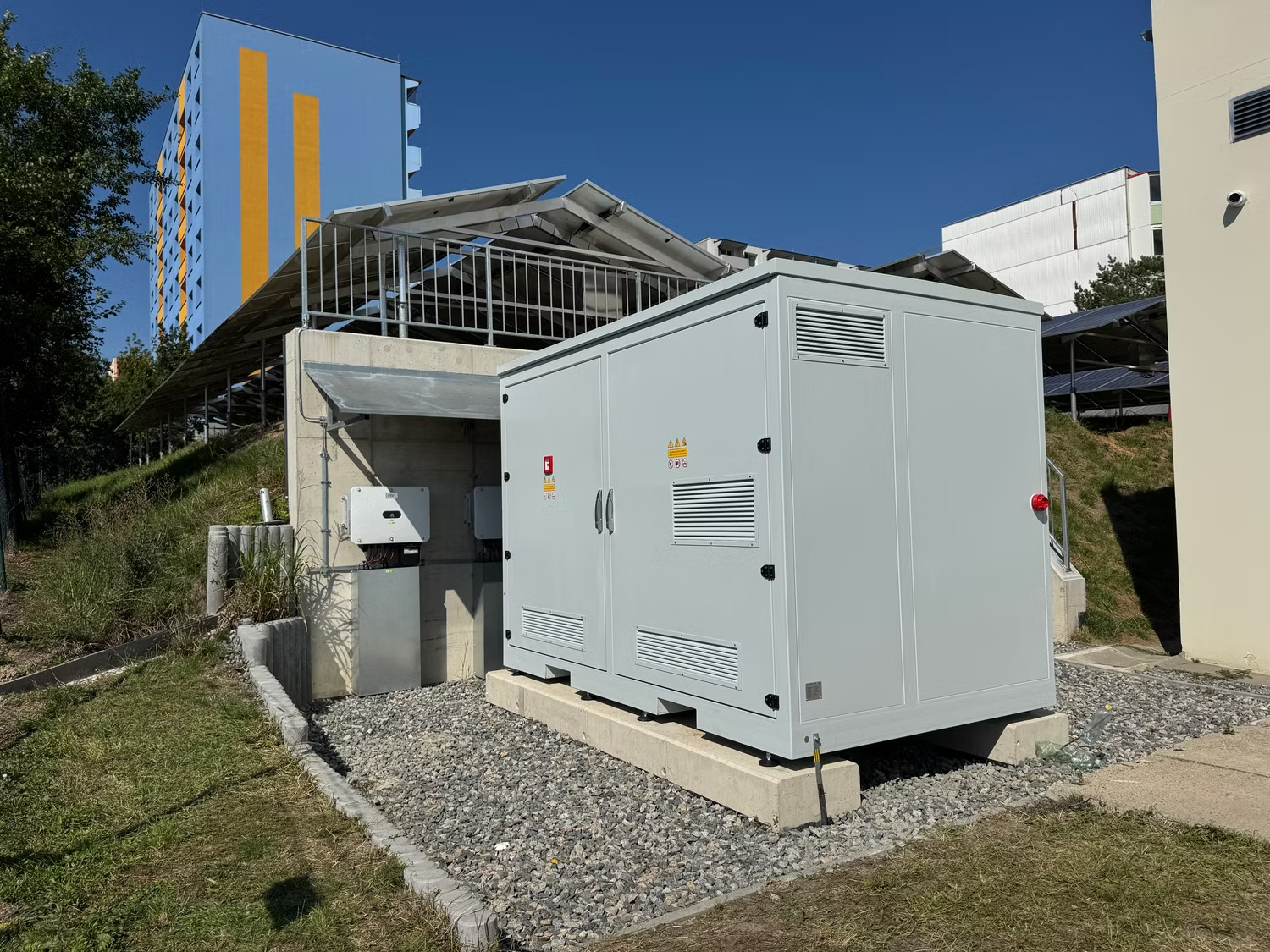
The project at Ceprano in the Lazio region was acquired from ReFeel New Energy and is scheduled for commissioning in 2028. At its stated power and energy ratings, the battery has a nominal four-hour duration, allowing it to sustain full rated output for about four hours before allowances for operating reserves, conversion losses, degradation, and the final control strategy.
Encavis is adding storage as it develops a broader renewable energy platform combining generation assets with controllable flexibility and market optimisation. ReFeel New Energy is backed by Gresham House Europe, formerly SUSI Partners, and ReFeel Group.
The 2028 commissioning target places Ceprano in the same delivery period as several other large Italian battery developments. Italy’s storage market is progressing beyond isolated projects as connection capacity, long-term contracts, and national procurement mechanisms begin to influence which developments attract financing and move into construction.
Encavis already operates around 420MW of photovoltaic capacity in Italy, giving the company an established generation business alongside which storage can develop. It also secured around 3.7TWh through Italy’s Energy Release 2.0 programme earlier in 2026, representing more than 16% of the volume allocated under the scheme.
Ceprano is being developed as a standalone battery rather than a co-located solar and storage project, so its commercial operation will depend on access to wholesale trading, balancing, ancillary services, and contracted storage arrangements available when it enters service. Four hours of nominal duration provides considerably more scope for sustained energy shifting than the one-hour and two-hour systems that characterised much of Europe’s earlier battery deployment.
Italy is already developing projects across a range of durations. A separate project in Emilia-Romagna is being built around four-hour storage and long-term tolling arrangements, while an authorised Sicilian development is designed around eight hours. The range reflects a market broadening from rapid frequency services towards capacity provision and movement of larger quantities of electricity between different parts of the day.
Terna’s MACSE storage procurement mechanism is reinforcing that development by creating long-term routes for capacity needed by the electricity system. The next scheduled round targets 16GWh for delivery in 2029. Encavis has not stated that Ceprano will participate, but the mechanism forms part of the commercial environment against which Italian battery projects are now being designed and financed.
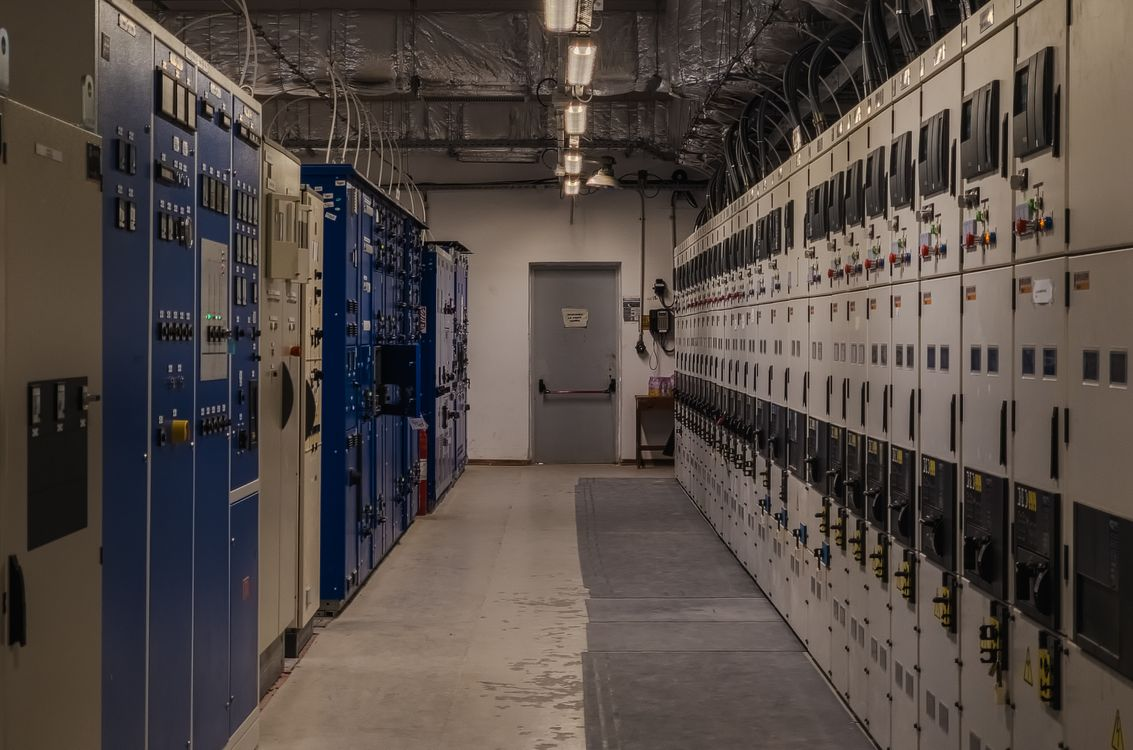
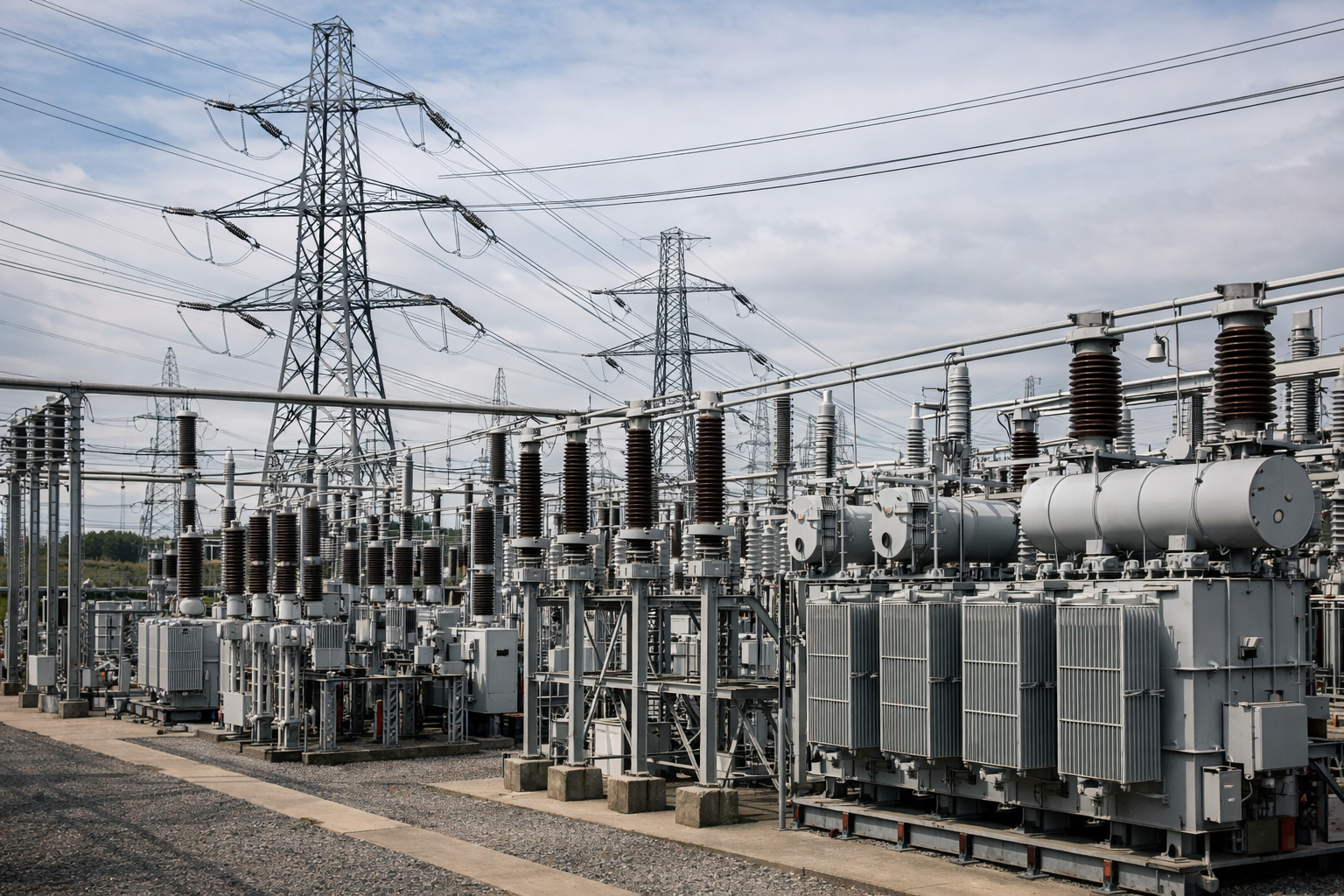
The engineering scope of a 65MW/260MWh project extends well beyond its battery enclosures. Power conversion systems, medium- and high-voltage transformers, switchgear, protection, metering, communications, auxiliary supplies, plant controls, and the final grid connection must operate as one dispatchable system capable of moving quickly between import and export.
Control architecture will determine how much of the installed hardware can be used commercially at any given time. Hundreds of battery modules and multiple inverter blocks must be coordinated while respecting state-of-charge boundaries, thermal limits, equipment warranties, voltage and reactive-power requirements, and instructions from whichever optimiser ultimately manages the plant.
Four-hour duration also changes the maintenance and lifecycle equation because more battery capacity is installed for each megawatt of power than in a short-duration system. That increases the number of cells, racks, cooling circuits, monitoring points, and fire-safety interfaces that must remain available, while degradation management and future augmentation will affect the plant’s ability to maintain its stated energy capacity over time.
Encavis has not yet disclosed the battery supplier, EPC contractor, grid-connection configuration, investment value, or final commercial route to market. Those decisions will determine much of the project’s delivery risk and how far its capacity is committed through contracted arrangements rather than exposed to merchant electricity and balancing prices.
The attraction of storage alongside a large Italian solar portfolio is nevertheless straightforward. Rising photovoltaic generation increases the frequency of periods when electricity is abundant during daylight hours, while batteries can move some of that energy into tighter periods and provide controllable response where the market or system operator places a value on flexibility.
Ceprano now gives Encavis a 260MWh foothold in that market. Between acquisition and the planned 2028 commissioning date sit the less photogenic stages that determine whether battery projects actually arrive: detailed engineering, procurement, financing, grid work, construction, testing, and commercial qualification.