IN Brief:
- The 285MW Andrea acquisition takes Iberian Oasis to 1GW of solar generation and 3.2GWh of battery storage.
- Greenbox added another 110MW of advanced Spanish projects after 150MW was secured during the first quarter.
- Grenergy now reports 10GWh of Greenbox storage under construction or at advanced stages of development.
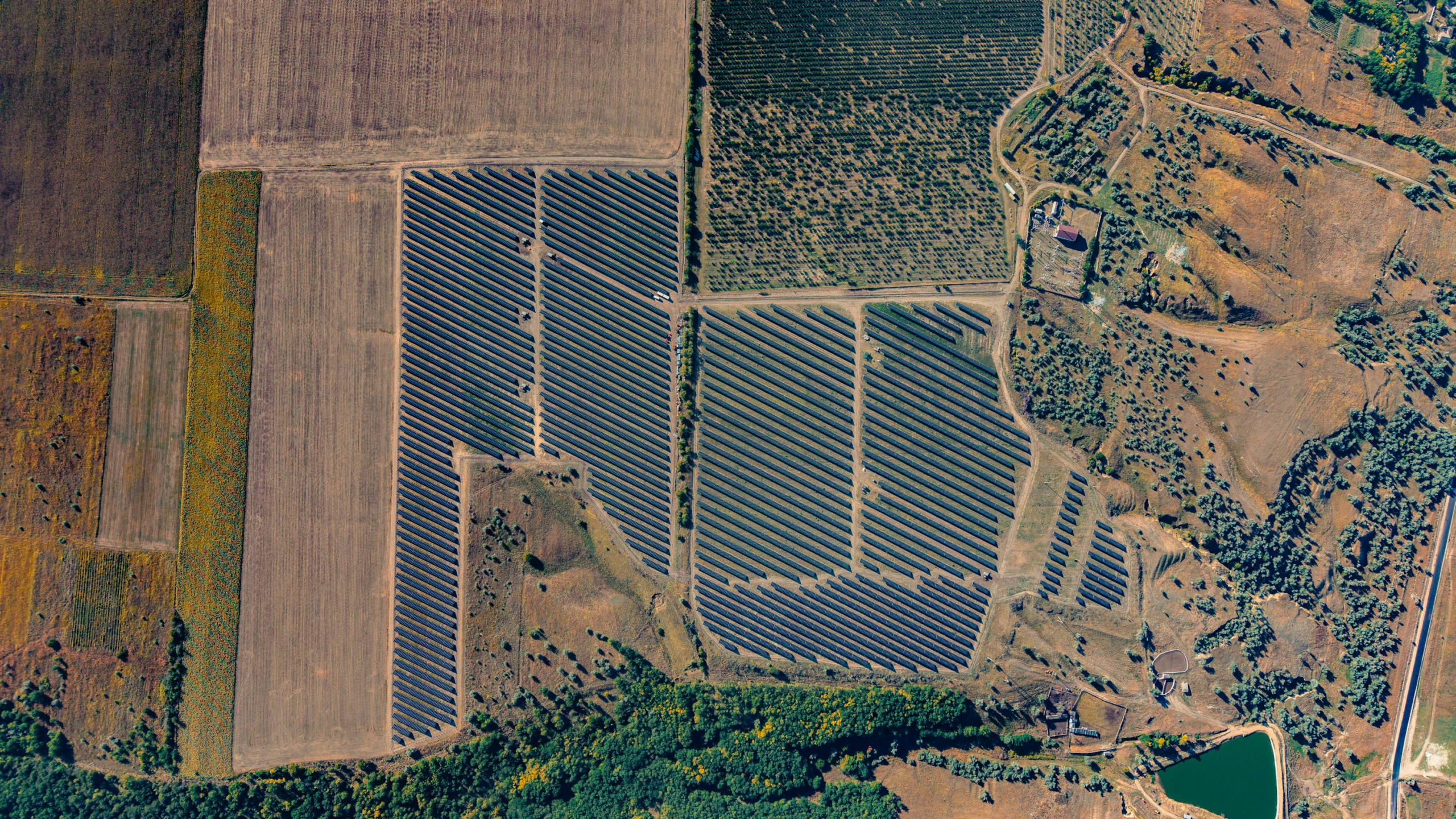
Grenergy has expanded its Spanish solar and battery portfolio through new advanced-stage acquisitions, taking the Iberian Oasis platform to 1GW of solar generation and 3.2GWh of storage.
The company has added the 285MW Andrea project to Iberian Oasis, following the 100MW Índalo acquisition announced during the first quarter. A further 110MW of advanced Spanish projects has been added to Greenbox, Grenergy’s European standalone battery platform.
Greenbox had already gained 150MW of advanced-stage projects in Spain during the first quarter, taking the total added during the first half to 260MW. Grenergy now reports 10GWh of battery capacity under construction or at advanced stages of development across the wider platform.
The two development programmes use storage in different ways. Iberian Oasis combines batteries with solar generation, allowing production and storage to be developed around a shared project and connection strategy. Greenbox is designed around standalone battery systems whose dispatch can respond directly to electricity-market and system conditions.
Andrea substantially increases the scale of Iberian Oasis as Grenergy transfers the hybrid model used in Chile into the Spanish market. Its Oasis de Atacama portfolio has paired large photovoltaic projects with battery systems designed to shift solar generation from periods of high daytime production into later hours.
Spain presents similar technical incentives as photovoltaic capacity increases. Strong daytime output can concentrate generation into a relatively narrow period, increasing the requirement for assets that can absorb electricity while solar production is high and return it to the system after output falls.
Battery storage can provide that time shifting while also participating in balancing, ancillary and wholesale markets where project qualification and commercial arrangements allow. The value of an individual project therefore depends on its duration, location, connection capacity and dispatch strategy rather than energy capacity alone.
Grenergy’s portfolio includes projects at several stages of delivery. Oviedo, one of its Spanish standalone storage developments, is under construction with a current configuration of 154MW and 618MWh. That provides four hours of nominal energy capacity at full rated power.
The company has secured €100 million of financing for Oviedo and a ten-year financial tolling agreement covering 80% of the project’s capacity. Such arrangements can give a battery project more predictable revenue by contracting part of its availability while leaving the remaining capacity exposed to other market opportunities.
The distinction between development capacity and operating storage is important as European project pipelines expand. A scheme described as advanced still has to move through procurement, construction, energisation, commissioning and market registration before its megawatt-hours are available to the electricity system.
Equipment procurement can become a material delivery constraint. Battery cells and enclosures, power conversion systems, transformers, switchgear, controls and fire-protection systems have to arrive on a coordinated programme, while grid works must be ready before commissioning can begin.
Connection capacity can be equally decisive. A battery may be capable of charging or discharging at a stated power rating, but its commercial operation remains bounded by the export and import capability secured at the site and by any operating restrictions applied by the network operator.
Hybrid projects introduce a different set of choices. Sharing a connection between solar and storage can increase utilisation of network capacity by charging when photovoltaic generation would otherwise compete for export headroom, although the detailed benefit depends on the size of the battery and the rules governing charging and export.
Grenergy’s first-half results also show the capital required to turn those development pipelines into physical assets. Capital expenditure reached €275 million, directed mainly towards hybrid projects within its wider Oasis programme, while the company continued raising project finance and recycling capital from operating assets.
Greenbox’s reported 10GWh therefore describes a sizeable delivery programme rather than 10GWh of batteries already available to the grid. Projects spread across construction and advanced development can still carry different levels of procurement, connection and financing risk.
Iberian Oasis is similarly defined by its pipeline scale rather than completed capacity. Reaching 1GW of solar and 3.2GWh of storage gives Grenergy a substantial Spanish hybrid platform, but individual schemes will only affect system flexibility as they complete construction and enter commercial operation.
The Andrea and Greenbox acquisitions increase that future workload. Their engineering significance will become clearer as connection dates, battery durations, equipment orders and commissioning programmes emerge, converting headline development capacity into storage capable of responding to Spain’s increasingly solar-heavy generation profile.