IN Brief:
- Evolt Charging has become Ratio EV’s first accredited service and maintenance partner.
- Accredited engineers can specify, commission, and maintain Ratio charging equipment rated up to 22kW.
- The arrangement expands Evolt’s multi-manufacturer service model for commercial, workplace, public, and fleet charging estates.
Evolt Charging has become Ratio EV’s first accredited service and maintenance partner, extending its engineering support portfolio to the manufacturer’s commercial, workplace, and public charging equipment.
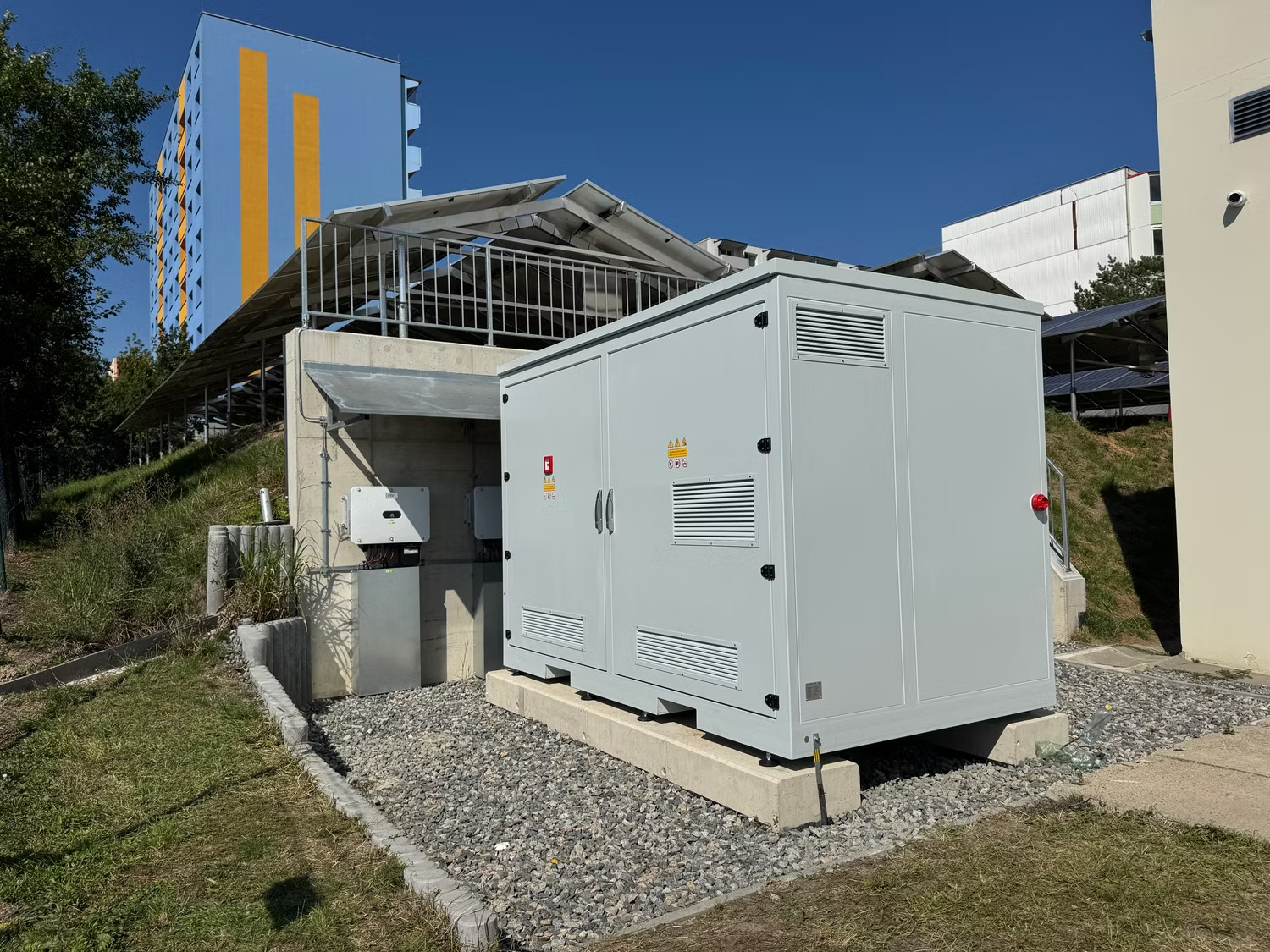
Evolt engineers have completed Ratio’s accredited training programme and are now equipped to specify, commission, maintain, and support its charging range. The equipment includes single and dual-socket solutions rated up to 22kW, placing the partnership principally around AC charging rather than high-power rapid and ultra-rapid infrastructure.
The accreditation extends Evolt’s manufacturer-agnostic service model, under which commercial customers can use one engineering organisation to support charging hardware from several suppliers. That approach becomes increasingly relevant as charging estates grow through successive procurement rounds rather than being installed as one uniform fleet of equipment.
A depot or workplace may consequently contain charge points of different ages, ratings, and manufacturers, all using their own configuration procedures, firmware, communications hardware, fault codes, and maintenance requirements. The equipment may look broadly interchangeable to a driver, while presenting a rather less uniform job to the engineer expected to repair it.
Manufacturer training provides the technical route through that problem. Accredited engineers gain product-specific knowledge of installation, commissioning, diagnosis, and maintenance procedures while the customer retains a single service relationship across a wider estate.
Justin Meyer, Managing Director of Evolt Charging, says: “Becoming Ratio’s first accredited service and maintenance partner is an important step as we continue to expand our capabilities. It gives both new and existing customers confidence in our ability to work across multiple hardware portfolios, with engineers trained directly by the manufacturer, helping to uphold our high service standards and maximise charger uptime across future and established EV infrastructure.
“As charge point networks become more complex, customers need support partners that can deliver consistently across different technologies. Our partnership with Ratio EV only reinforces this approach and strengthens the service we can offer fleet operators and other commercial organisations that depend on reliable charging infrastructure.”
Reliability becomes progressively more important as charging moves from an amenity to an operational dependency. A fleet depot whose vehicles have to leave at fixed times cannot treat an unavailable charge point in the same way as a driver encountering an out-of-service charger and choosing another location.
For commercial operators, the maintenance problem extends beyond the charger itself. A 22kW AC installation normally depends on an appropriate three-phase electrical supply, while multiple units can place a substantial coincident load on the site’s distribution system if they are allowed to operate at full output simultaneously.
Load-management controls can limit that demand by allocating available electrical capacity between connected vehicles. Such systems become increasingly important where upgrading the incoming supply would be expensive or slow, but they add another control and communications layer that service engineers need to understand when diagnosing poor charging performance.
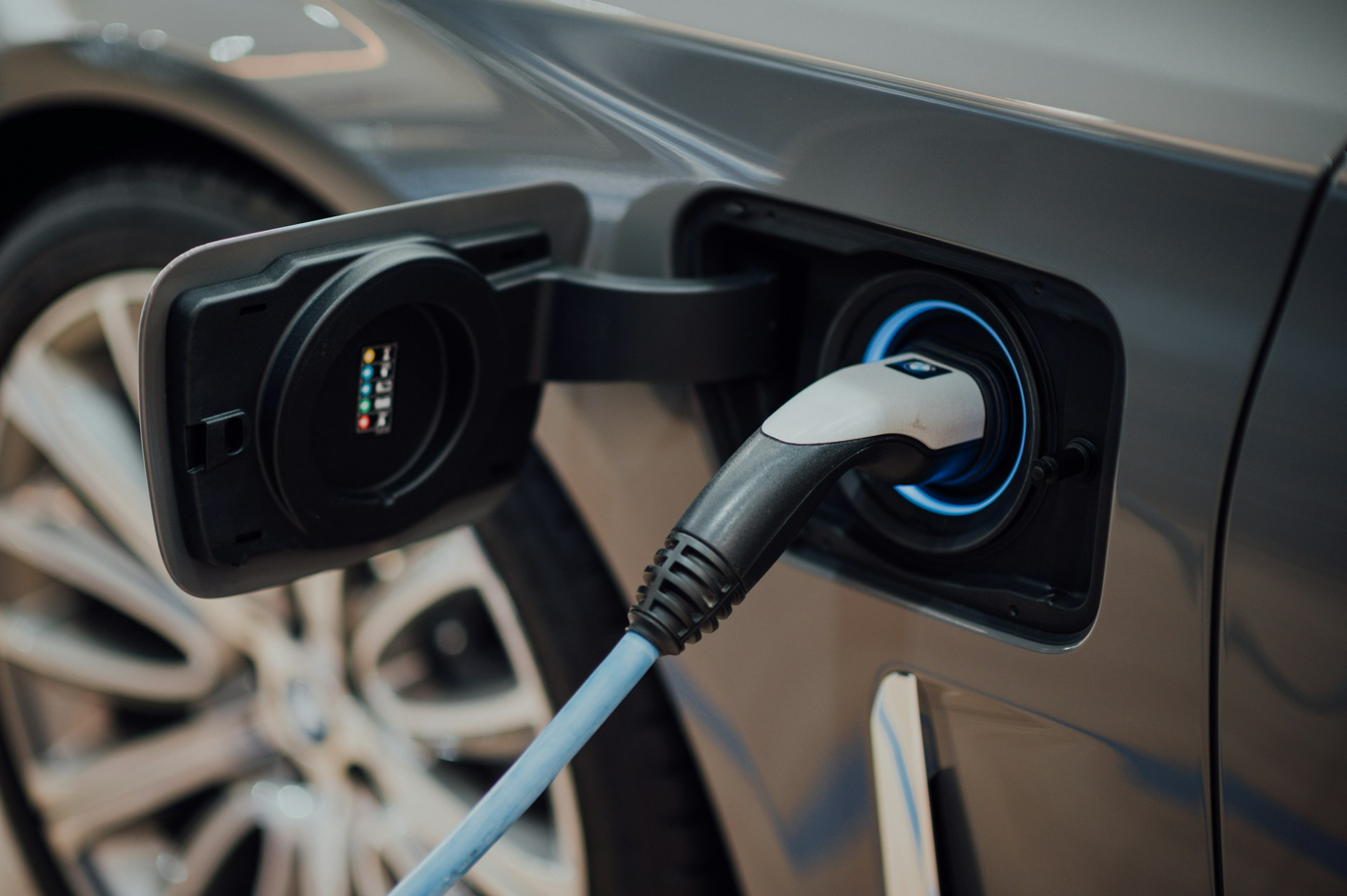
The useful charging rate also depends on the vehicle. A charge point capable of delivering 22kW does not ensure that every car or van connected to it will accept 22kW because AC charging relies on the onboard charger fitted to the vehicle. An apparent performance issue can therefore sit on either side of the cable.
Commissioning has to establish that distinction alongside conventional electrical checks. Supply capacity, protective devices, cable sizing, earthing, isolation, communications, back-office configuration, metering where required, and load-management settings all contribute to whether a newly installed charger is safe and usable.
Maintenance then adds the effects of repeated operation and exposure. Sockets, connectors, contactors, protective components, communications modules, displays, and internal electronics are subject to wear, environmental conditions, and thousands of charging sessions, while software and connectivity failures can leave electrically healthy hardware unavailable to users.
A multi-manufacturer service organisation does not make those technical differences disappear. Accreditation remains product-specific because technicians still require the correct diagnostic procedures, documentation, firmware information, spare parts, and manufacturer support for each equipment family.
The simplification is primarily for the customer. Rather than deciding whether a particular fault belongs with the original installer, charge-point manufacturer, software provider, or maintenance contractor before support can begin, the accredited service partner provides a more accountable engineering interface.
Tom Jennings, General Manager at Ratio EV, said: “We’re excited to welcome Evolt Charging as our first Accredited Partner. Our partners play a vital role in delivering the best possible customer experience, and I’m looking forward to working together to provide high-quality EV charging installations across the UK.”
The partnership also extends the maintenance discussion beyond repairing equipment after failure. Charging infrastructure requires planned inspection, software management, remote diagnostics, component replacement, and eventual upgrade as vehicle numbers, charging patterns, and electrical loads change.
Fleet electrification can expose those changes quickly. A site initially designed for a handful of electric vehicles may later require dozens, forcing operators to review load management, charger availability, cable routes, distribution boards, transformer capacity, and the operating strategy used to ensure vehicles receive enough energy before departure.
Evolt has already been developing service capability across multiple charging brands, so the Ratio agreement is an extension of an established model rather than a new direction. The specific milestone is direct manufacturer-backed competence across Ratio’s range and Evolt’s position as the first partner to receive that accreditation.
The engineering value will be measured after the training certificates disappear into the filing system: safe commissioning, accurate diagnosis, first-time repair rates, and charger availability across sites whose operators increasingly depend on electrical infrastructure working on schedule rather than merely being installed.