IN Brief:
- Sunotec has completed and connected a 150MW/379MWh BESS at Brusartsi.
- Brusartsi and Byala Slatina provide a combined 200MW/505MWh under GEN-I commercial management.
- Nine further Bulgarian projects totalling 195MW/782MWh are planned for commercial operation over the following twelve months.
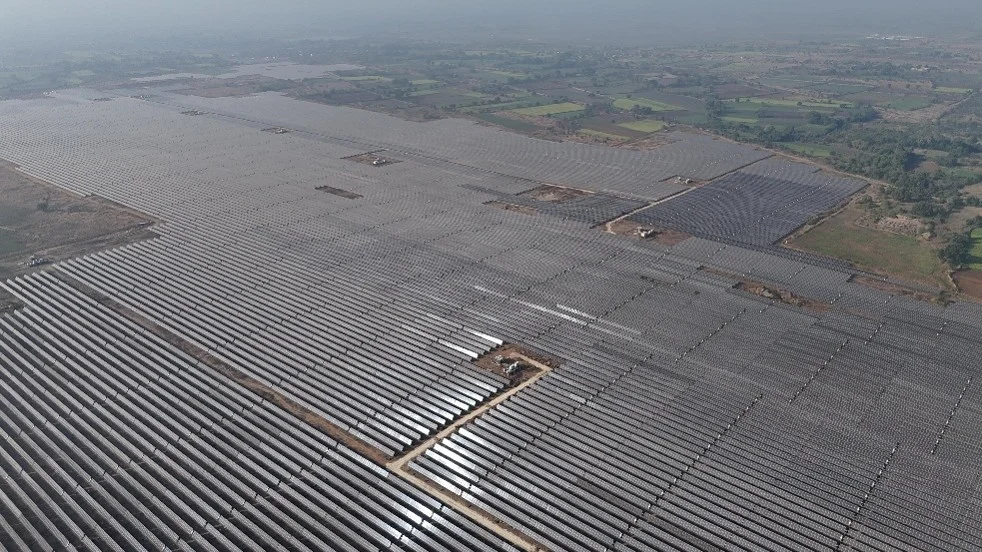
Sunotec has completed and connected a 150MW/379MWh battery energy storage system at Brusartsi in north-western Bulgaria, adding a second large operating asset to its partnership with energy trader and optimiser GEN-I.
The battery follows the 50MW/126MWh Byala Slatina project that entered operation in July. Together, the two systems provide 200MW of power capacity and 505MWh of stored energy, establishing an operating portfolio in a Bulgarian market where utility-scale storage is progressing rapidly from development into commissioned infrastructure.
Sunotec delivered Brusartsi as system integrator, while GEN-I is responsible for commercial management of the operating assets. Its role includes bringing the batteries into electricity and balancing markets and deciding how charging, discharging, and reserve capacity are allocated against changing system and price conditions.
At 150MW and 379MWh, Brusartsi has a nominal duration of slightly more than two and a half hours at full rated output. Available discharge duration in operation will vary with state-of-charge boundaries, conversion losses, auxiliary consumption, degradation allowances, and any capacity retained for balancing or other contracted services.
The project follows Byala Slatina into commercial operation only weeks later, giving the partnership two sizeable assets with similar nominal durations but different power ratings. Sunotec and GEN-I also have nine further Bulgarian battery projects in development with a combined 195MW/782MWh, which are intended to reach commercial operation over the following twelve months.
Scaling from individual batteries into a multi-site portfolio changes the control problem. Each project has its own connection limits, maintenance status, state of charge, and battery warranty constraints, while the commercial optimiser has to decide which assets should trade energy, retain capacity for balancing services, or remain partially charged for expected market conditions later in the day.
Brusartsi forms part of a wider build-out of Bulgarian storage. A separate 150MW/600MWh battery at Nova Zagora, developed by Enery and delivered with Sungrow and Sunotec, entered operation earlier in the summer. Multiple projects at that scale are rapidly increasing the amount of fast, controllable capacity available alongside renewable generation and cross-border electricity trading.
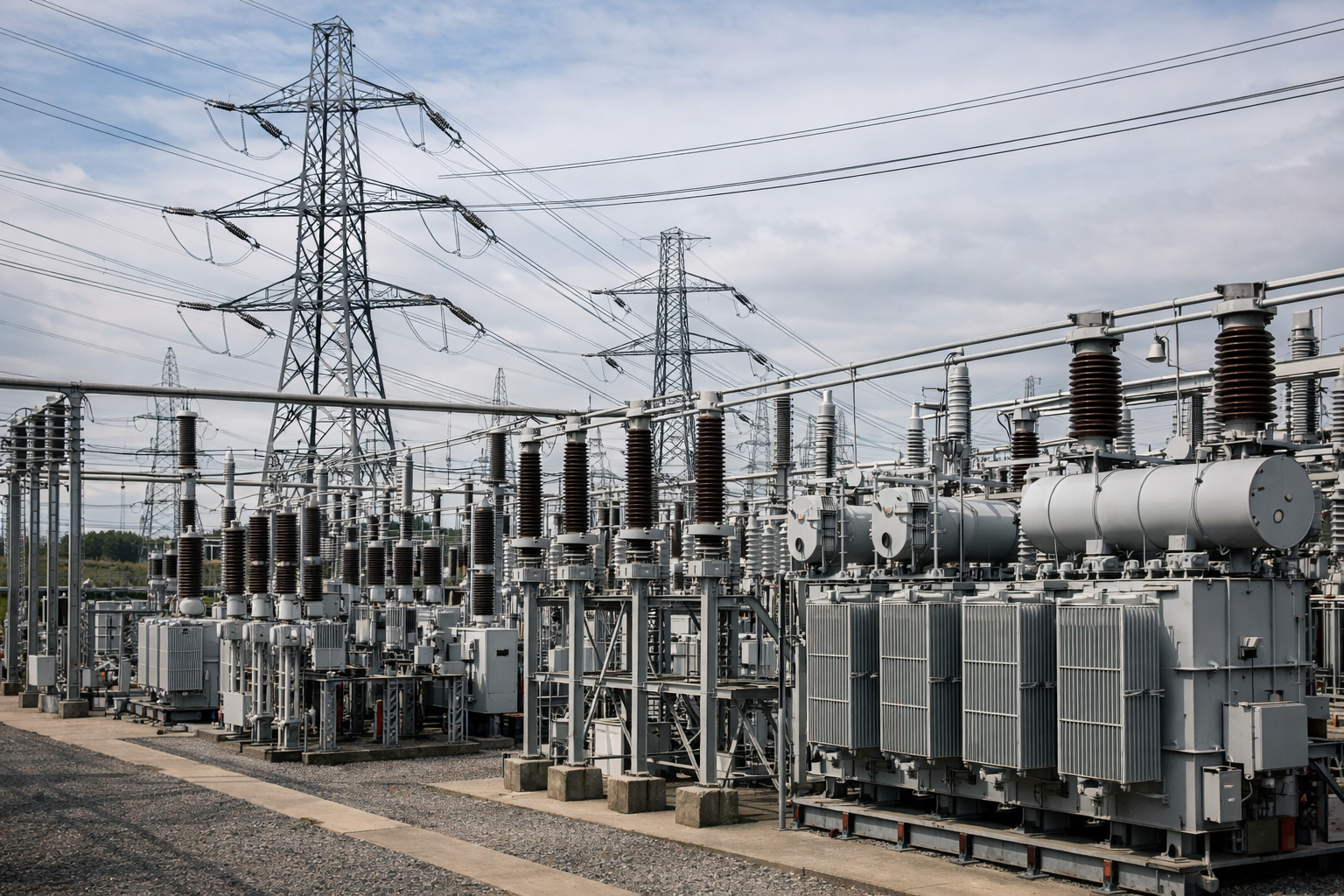
A 150MW battery connection requires substantially more electrical infrastructure than the containerised battery blocks visible on site. Power conversion equipment, transformers, switchgear, protection systems, metering, communications, thermal management, auxiliary supplies, fire detection, and plant controls all have to work together while handling rapid changes between charging and discharging.
Grid compliance becomes more demanding as the power rating increases. The plant must satisfy requirements for voltage and reactive-power control, frequency response, harmonic performance, ramp rates, fault behaviour, and communication with network and market operators. The battery cells may hold the energy, but the usefulness of the project to the wider system depends heavily on the conversion and control equipment around them.
GEN-I’s commercial optimisation introduces another set of constraints. Wholesale prices may favour charging at one point and discharging a few hours later, while balancing services can reward the reservation of power for rapid response rather than straightforward energy arbitrage. The optimiser must weigh those opportunities against available energy, technical limits, and the cost imposed by additional battery cycling.
Degradation therefore becomes part of daily commercial decision-making rather than a distant maintenance issue. Lithium-ion cells lose usable capacity through both age and cycling, so operating strategies have to balance current market revenues against long-term energy capability and warranty conditions. Module replacement or later augmentation may be required if assets are expected to maintain contracted megawatt-hour performance throughout their operating lives.
The two operating Sunotec-GEN-I projects provide a useful indication of the portfolio’s current design philosophy. Byala Slatina is rated at 50MW/126MWh and Brusartsi at 150MW/379MWh, giving both nominal durations around two and a half hours and concentrating the fleet on relatively high-power, multi-hour flexibility rather than very long-duration storage.
That configuration can support several electricity-system functions. Batteries can react rapidly to balancing requirements, move energy between different price periods, absorb short-term renewable surpluses, and provide controllable power without the start-up delay associated with conventional thermal generation. Their stored energy remains finite, however, so sustained shortages lasting well beyond their discharge duration require other generation, imports, demand response, or longer-duration flexibility.
Sunotec’s system-integration role also extends beyond equipment delivery. Civil works, electrical balance of plant, battery systems, controls, commissioning, and market interfaces all have to reach operational readiness together, while the commercial value of that coordination becomes most visible after energisation when equipment from several suppliers must respond as one power-system asset.
Brusartsi brings the partnership’s operating Bulgarian portfolio to 200MW/505MWh. The next measure is delivery of the nine projects behind it: another 782MWh that must pass through connection, integration, commissioning, and market qualification before the development pipeline becomes usable grid capacity.