IN Brief:
- NexBlue charging hardware will be available through automotive home-charging and fleet programmes supported by Jumptech.
- Jumptech will provide installation delivery through its approved contractor network where participating customers select NexBlue equipment.
- The agreement links charger technology with the surveying, scheduling, installation, and programme-management processes required for scaled deployment.
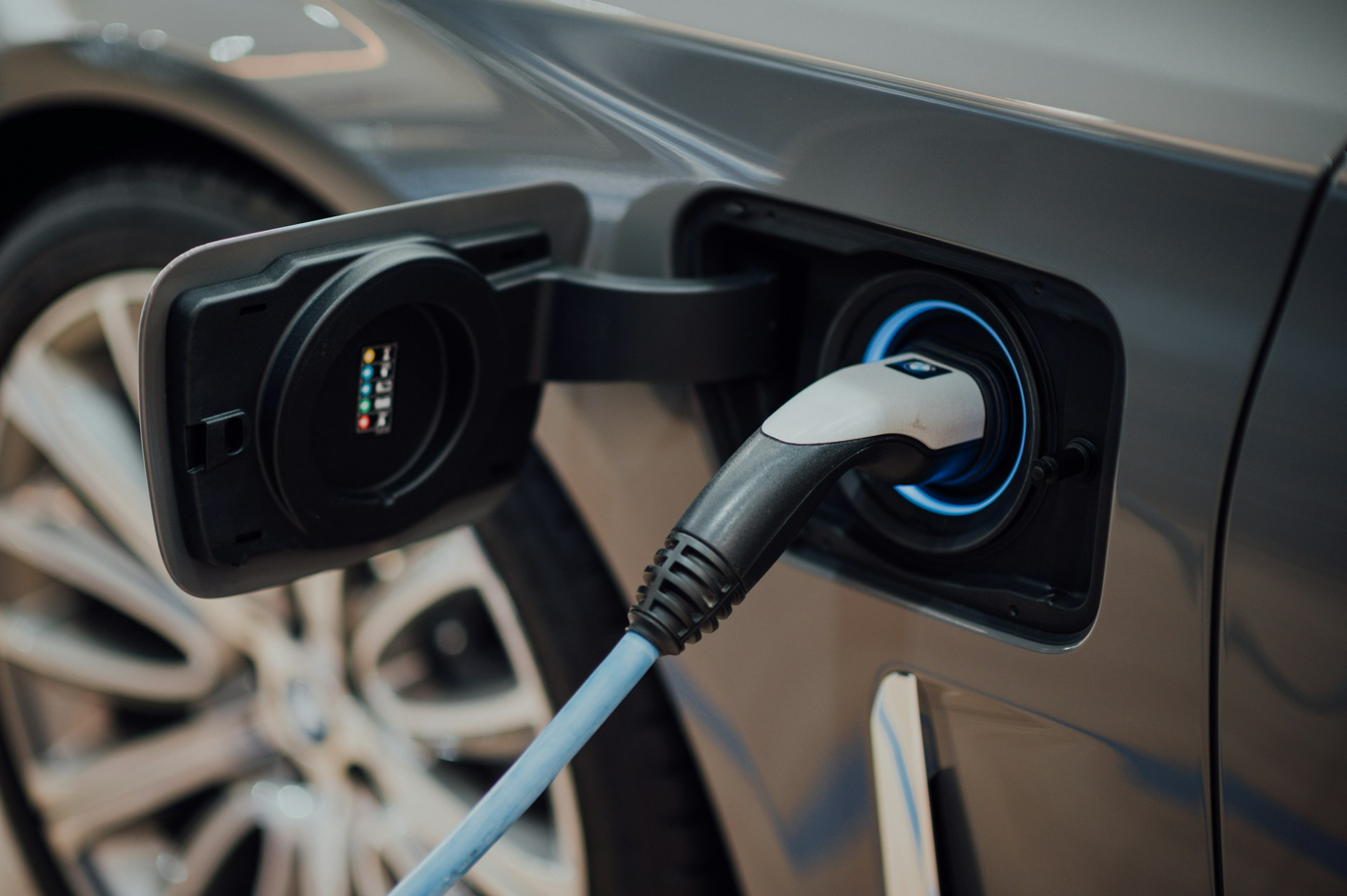
Jumptech has partnered with NexBlue to integrate the charging equipment manufacturer into UK automotive home-charging and fleet programmes, combining hardware supply with an established installation and programme-delivery network.
Under the agreement, Jumptech will provide installation services where customers select NexBlue equipment through participating automotive or fleet schemes. The arrangement gives NexBlue access to programmes already managed through Jumptech’s platform and approved installer network rather than requiring a separate installation structure for each customer or vehicle brand.
That distinction matters because the charger itself is only one part of an EV installation. Before a domestic or fleet unit can be commissioned, the property and electrical supply have to be assessed, cable routes identified, protection and earthing arrangements confirmed, installation work scheduled, and the completed system tested and handed over correctly.
Those individual tasks become an operational challenge when deployment moves from tens of chargers to hundreds or thousands spread across different regions. Programme owners need consistent information from customers and installers, while contractors still have to make site-specific engineering decisions where existing supplies, distribution boards, service capacities, or physical access differ from the expected installation template.
Phil Nunn, founder and CEO of Jumptech, said: “Selling the charger is only the start. The installation journey has to work just as well as the hardware.
“Jumptech gives NexBlue the infrastructure behind that journey. It can move into new automotive and fleet programmes without having to rebuild the delivery process each time. For carmakers and retailers, it means they can offer NexBlue technology with confidence that the customer will move through a seamless installation process.”
Jumptech provides software and operational services used to coordinate deployment of low-carbon technologies, including EV charging. Its model brings programme owners, installers, and field activity into a common workflow, with installation networks used to carry out work on behalf of automotive, energy, and other customers.
NexBlue develops AC charging hardware and associated software for residential and commercial applications. Its UK portfolio includes products designed around smart charging and load-management functions, with some models supporting newer vehicle-communication standards. The partnership announcement does not specify that every NexBlue model or feature will be available through each Jumptech-managed programme, so the commercial agreement is broader than any single charger specification.
The engineering requirements of the installation can vary substantially even where the same hardware is used. Available electrical capacity, the type of incoming supply, existing household or commercial loads, cable length, communications coverage, external mounting location, and the required charging power can all affect the final design.
Load management becomes particularly useful where a charger would otherwise risk pushing a property beyond an acceptable maximum demand. Rather than treating the EV charger as an isolated load, control systems can adjust charging according to what the rest of the building is consuming, allowing the installation to make better use of the existing supply within the limits of the equipment and connection.
For automotive companies, those technical questions sit inside a wider customer journey. A new vehicle can be ordered through one organisation while the charging equipment, survey, installation, electricity supply, and support are handled by several others. Poor coordination between those stages can leave a driver with a completed vehicle purchase but an incomplete charging installation.
The Jumptech model is intended to reduce that fragmentation by giving programme operators a repeatable route from initial order through installation completion. Adding NexBlue expands the choice of hardware that can sit within that process while keeping the field-delivery layer under the same operational structure.
Fleet installations add another dimension because the charging asset may sit at an employee’s home while remaining part of an employer’s operating model. Programme managers may need records of approved equipment, completed electrical work, installer evidence, asset data, and future service information across a geographically dispersed vehicle population.
A contractor network can handle that geographic spread, but consistency becomes important. Installation evidence, test results, photographs, customer information, and completion records need to be captured in a form that the programme owner can use rather than remaining scattered across individual installers and local systems.
The market is consequently separating into several layers. Hardware manufacturers compete on electrical performance, reliability, communications, software integration, form factor, and cost, while installation businesses compete on technical competence and geographic coverage. Programme platforms sit between them, attempting to make those separate functions behave like one service from the customer’s perspective.
That arrangement can also make it easier for a charger supplier to enter a new automotive or fleet programme. The manufacturer does not have to build a nationwide field network before securing volume, while the programme operator does not have to create a new installation workflow every time another approved product is added.
The trade-off is that the interfaces have to work properly. Product information must reach installers accurately, survey data has to identify unusual sites before work begins, contractor capacity needs to match order volume, and software systems have to keep all parties informed as each installation progresses.
As EV charging becomes more mature, those less visible delivery functions are increasingly important. The market is no longer defined simply by whether a wall-mounted unit can supply electricity to a vehicle; installation quality, programme integration, asset records, load management, serviceability, and the ability to deploy equipment consistently at scale increasingly determine whether the charging proposition works beyond the laboratory or showroom.
NexBlue’s agreement with Jumptech is therefore as much about delivery infrastructure as charger hardware. The equipment remains the physical interface with the vehicle, but the partnership is intended to provide the installation and operational processes needed to turn individual charger sales into repeatable automotive and fleet programmes across the UK.