IN Brief:
- Sixteen National Highways operational sites have received coordinated energy upgrades.
- The programme includes more than 825kW of solar PV and 760kWh of battery storage.
- Heat pumps, air conditioning systems, controls, and site specific mounting complete the retrofit package.
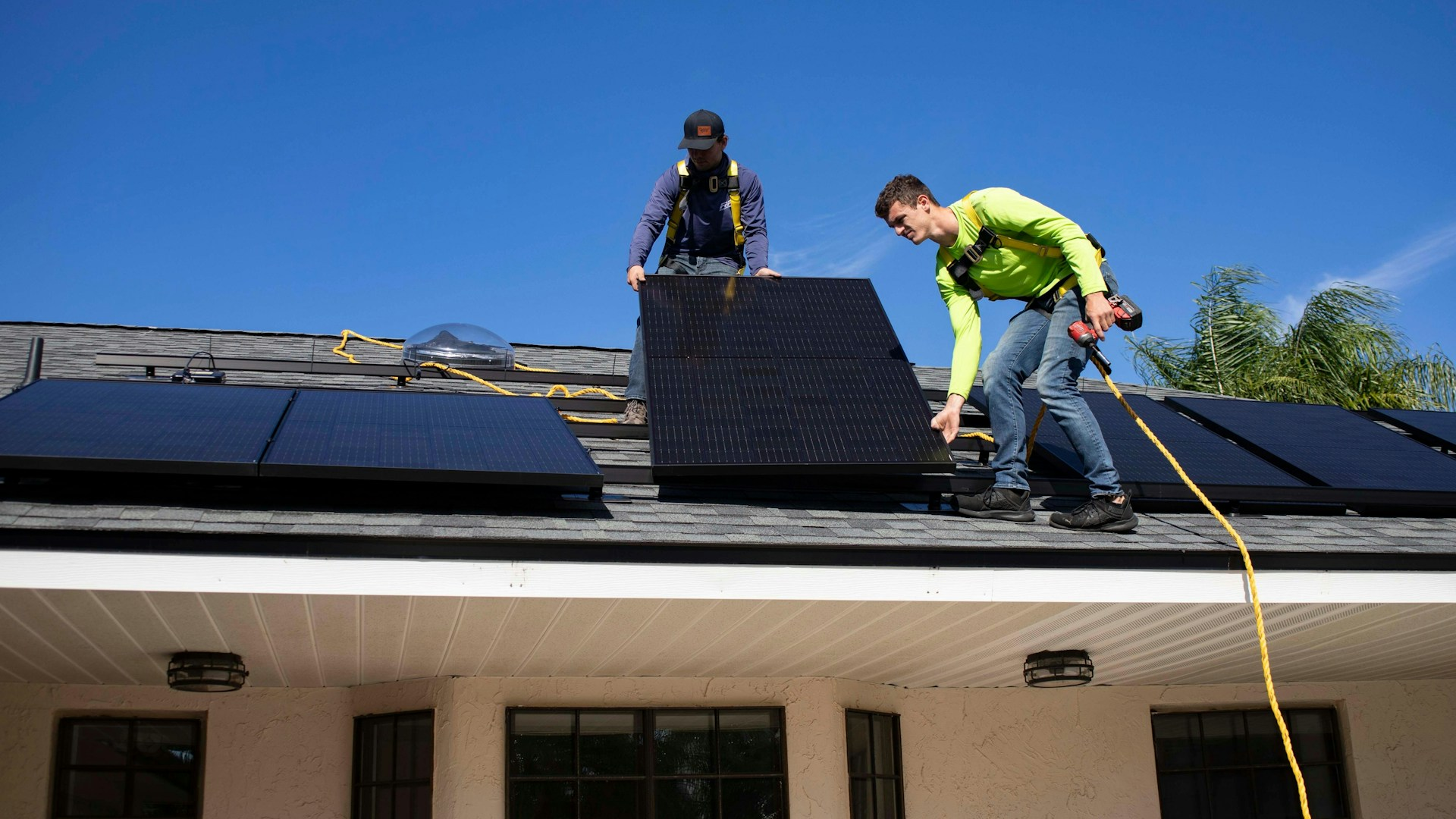
National Highways has completed a coordinated energy retrofit across 16 operational sites, installing more than 825kW of rooftop solar generation and 760kWh of battery storage.
The programme also includes 18 air source heat pumps and 34 air conditioning units, bringing generation, storage, heating, cooling, and controls into a single multisite delivery package. Synergize carried out the work.
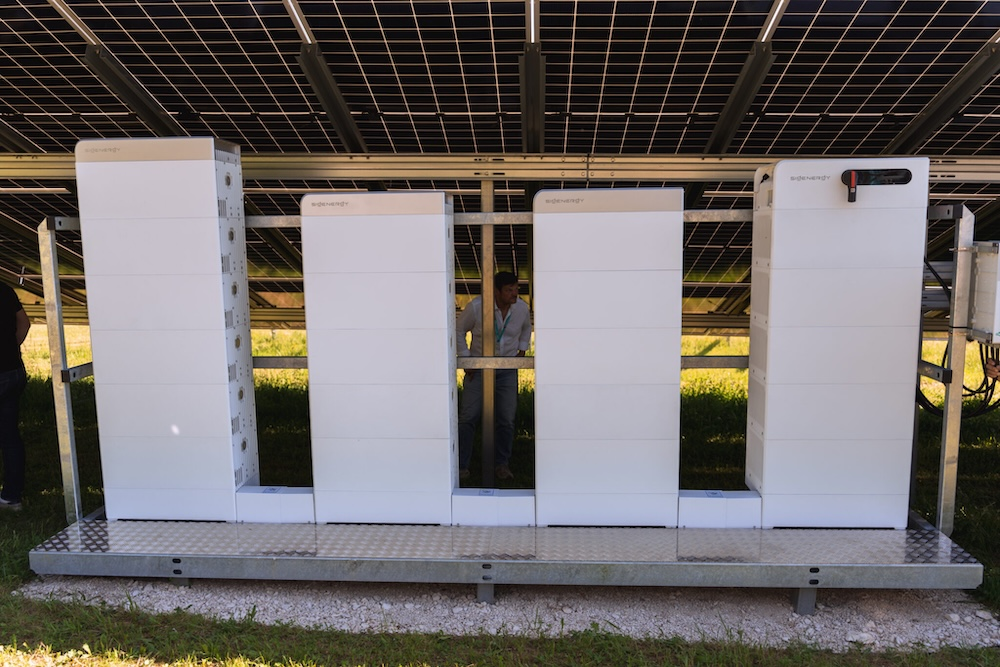
The solar arrays are expected to generate almost 650,000kWh annually. SolaX supplied the inverter and battery technology, while Clenergy and K2 mounting systems were selected according to the construction and condition of each roof.
Operational depots present a different delivery environment from vacant commercial properties because buildings remain in use, vehicle movements continue, and safety critical functions must be maintained. Access to roofs, electrical rooms, and distribution equipment has to be coordinated around normal activity.
Each location also has a distinct electrical profile. Existing maximum demand, incoming supply capacity, tariff structure, load timing, roof area, orientation, shading, structural condition, and distribution board arrangement all influence the size and configuration of the installed system.
Battery storage allows some solar generation to be retained outside peak production periods. Depending on the control strategy and connection agreement, systems can support self consumption, peak reduction, tariff optimisation, or limited resilience functions.
The heat pumps add controllable electrical demand as conventional heating is displaced. Coordinating their operation with solar generation and stored energy can improve the use of local production, although winter heating demand and solar output follow contrasting seasonal profiles.
Portfolio retrofits require repeatable engineering
Multisite programmes gain efficiency from standard designs, common equipment, shared documentation, and coordinated procurement, but every building still requires a site specific assessment. Roof loading, fire compartmentation, cable routes, earthing, metering, and network conditions cannot be assumed from one depot to another.
Mounting selection illustrates that variation. Different roof coverings, structural systems, pitches, and wind loads need compatible fixings and verified load paths, while water ingress, corrosion, drainage, access walkways, and future roof maintenance must be addressed before panels occupy substantial areas.
The electrical design extends from the modules to the point of connection. DC cable routing, isolation, inverter placement, AC protection, surge protection, generation metering, export limitation, labelling, and emergency arrangements must integrate with the existing installation.
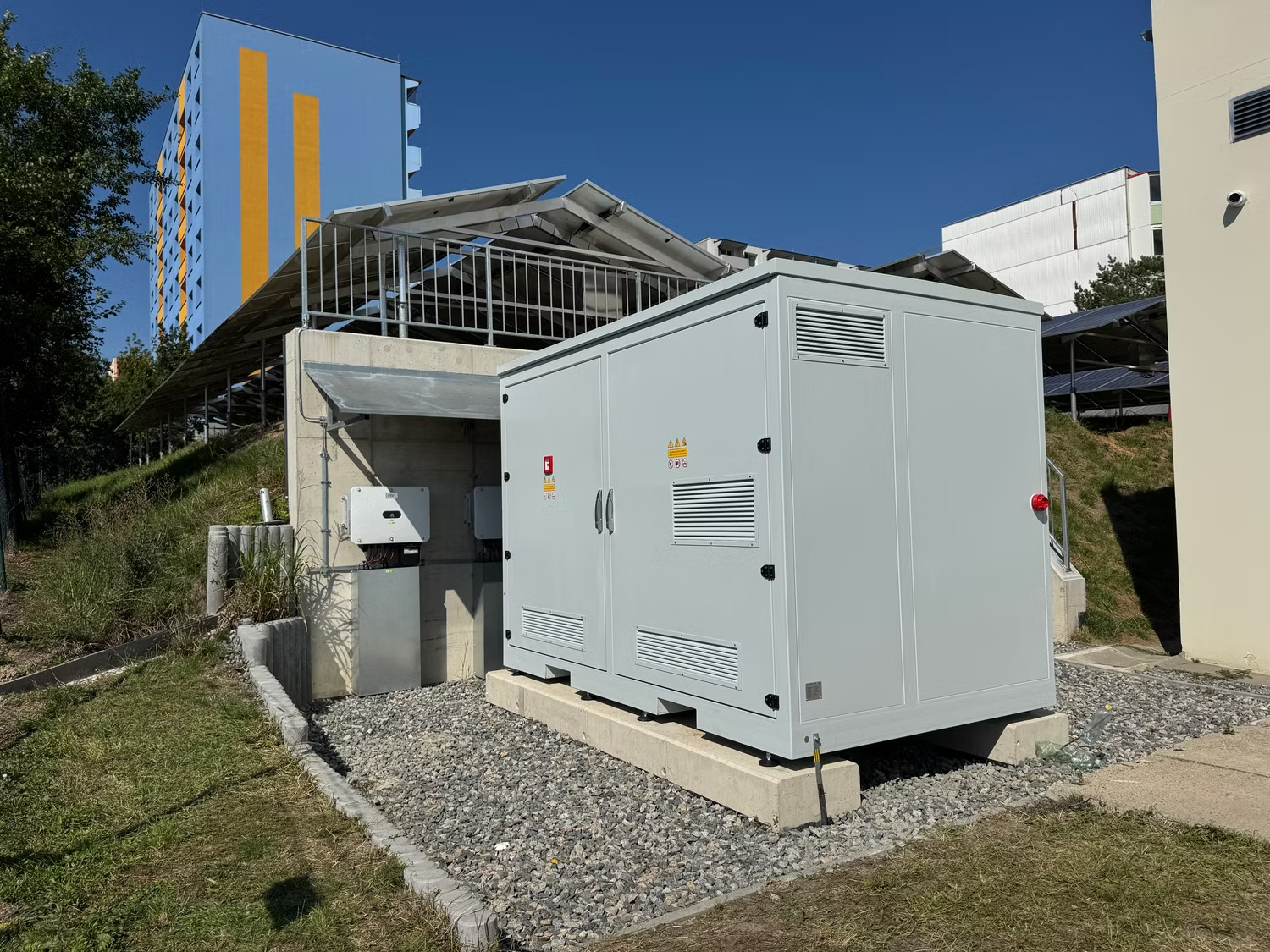
Battery systems add requirements covering location, ventilation, thermal management, fire detection, separation, access, and manufacturer operating limits. Where several technologies share a plant room or intake, equipment clearances and maintenance routes become as important as nameplate capacity.
Performance monitoring is central to a geographically dispersed estate because a failed inverter, communications fault, tripped protective device, or degraded battery can remain unnoticed until a site visit or energy bill review. Remote monitoring can identify abnormal output, but alarms still require clear ownership and a defined maintenance response.
Industrial and public estates are increasingly using long term funding and service structures to expand rooftop solar. A Scottish programme combining private finance, long term supply arrangements, and industrial rooftop generation reflects the same movement towards managed energy assets rather than isolated installations.
Connection administration can affect the schedule as heavily as physical installation. Some sites may connect within existing export limits, while others require distribution network approval, export limitation equipment, or reinforcement.
A portfolio schedule can therefore be determined by the slowest survey, consent, connection, or roof repair within the group. Common procurement does not remove local dependencies.
Energy savings also need to be measured against a consistent baseline. Weather, occupancy, vehicle activity, operating hours, equipment changes, and tariffs can alter consumption independently of the retrofit.
Submetering and interval data allow operators to distinguish generation performance from wider changes in site demand. The information can also identify control settings that charge batteries or operate heating equipment at unsuitable times.
A coordinated control strategy should prevent batteries from charging during expensive periods unless a defined tariff or operational requirement supports that action. Heat pumps and cooling equipment should avoid unnecessary coincident peaks, while export limits must remain effective when loads change quickly.
Almost 650MWh of annual solar production represents a meaningful reduction in purchased electricity, but long term output will depend on equipment availability, cleaning, obstruction management, inverter replacement, battery condition, and roof maintenance.
The National Highways programme brings solar generation, batteries, heating, cooling, and monitoring into one operational estate. Maintaining the expected performance will require the same level of coordination after commissioning as during installation.