IN Brief:
- The ECA has launched an Electrotechnical Training and Careers Alliance for Hampshire and the Solent.
- The programme links employers, education providers, manufacturers, local authorities, and wider industry bodies.
- Initial priorities cover curriculum alignment, career awareness, apprenticeship participation, and clearer routes to competence.
The Electrical Contractors’ Association has launched an Electrotechnical Training and Careers Alliance for Hampshire and the Solent, bringing employers, education providers, manufacturers, and public bodies into a regional skills programme.
Representatives met at Solent University on 14 July to establish the alliance and agree its initial priorities. These include stronger coordination between employers and training providers, improved awareness of electrotechnical careers, closer alignment between curricula and current industry requirements, and clearer routes towards recognised competence.
The initiative follows the Hampshire and Solent Local Skills Improvement Plan for 2026–29, which identified shortages across construction, engineering, clean energy, defence, maritime, and related technical sectors.
Electrical capability runs through each of those markets, covering building installations, industrial control, shore power, renewable generation, charging infrastructure, high-voltage equipment, communications, and maintenance.
Regional apprenticeship data has also shown pressure on the training pipeline. The ECA’s 2026 Electrical Skills Index identified low or very low electrical apprenticeship starts across several parts of England during 2024–25, while the Hampshire Chamber of Commerce has reported a marked decline in local starts.
Closer coordination is intended to give colleges and training organisations current information on employer demand, equipment, standards, installation methods, and technical change. Employers, in turn, need confidence that entrants have followed credible pathways combining knowledge, practical experience, supervision, and assessment.
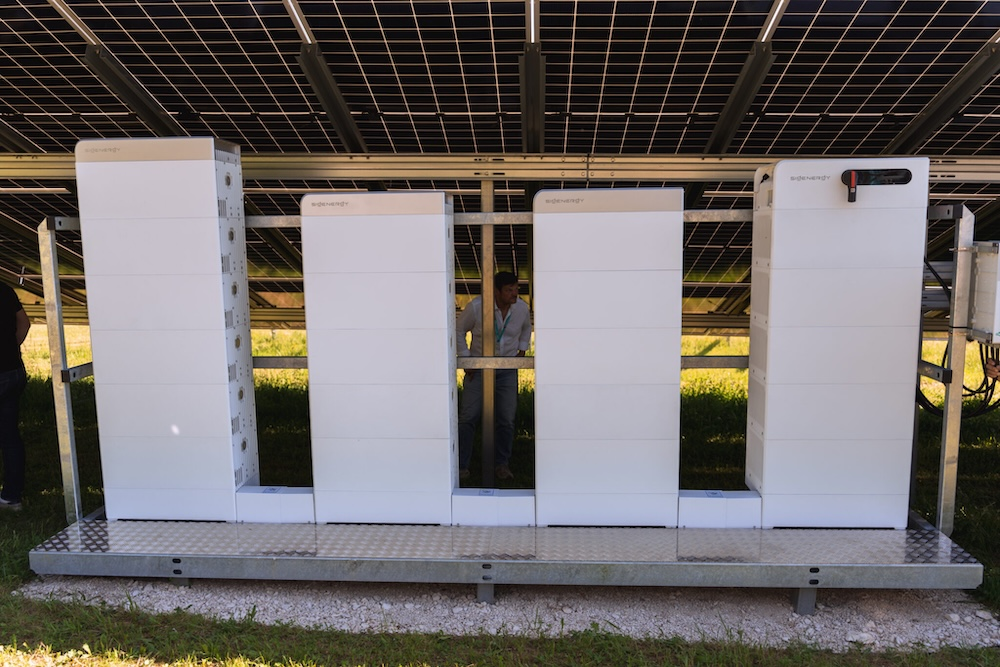
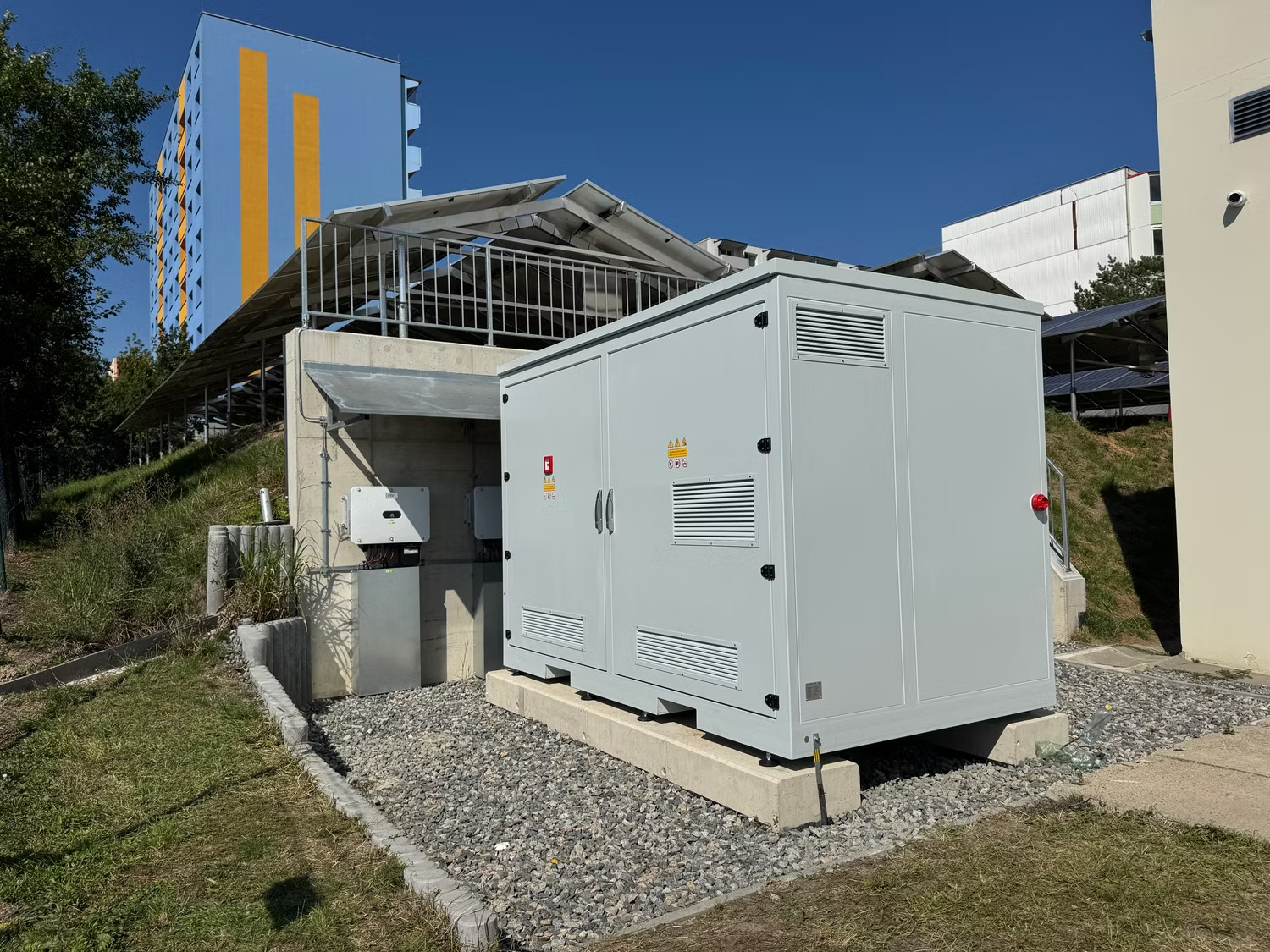
Manufacturers will contribute to the programme as electrical work incorporates configurable protection, connected controls, solar generation, battery systems, electric-vehicle charging, building automation, and data-led maintenance. Workshop equipment and teaching material must reflect systems already entering service rather than technologies approaching withdrawal.
Regional coordination addresses a national constraint
Shortages cannot be explained solely by a lack of applicants. Employers require suitable work, qualified supervisors, administrative capacity, and enough confidence in future workload to support apprentices over several years.
Colleges need lecturers, assessors, workshop equipment, and stable learner numbers, while candidates need accurate information on entry requirements, pay, travel, qualification status, and the time required to become competent.
A regional alliance can connect those constraints more directly than separate recruitment campaigns. Employers can identify the occupations and specialisms they expect to need, providers can adjust course capacity and facilities, and public bodies can align funding with planned housing, infrastructure, maritime, and energy programmes.
A similar electrotechnical alliance has been established in London, providing another regional model through which employers, educators, and industry organisations can coordinate workforce planning.
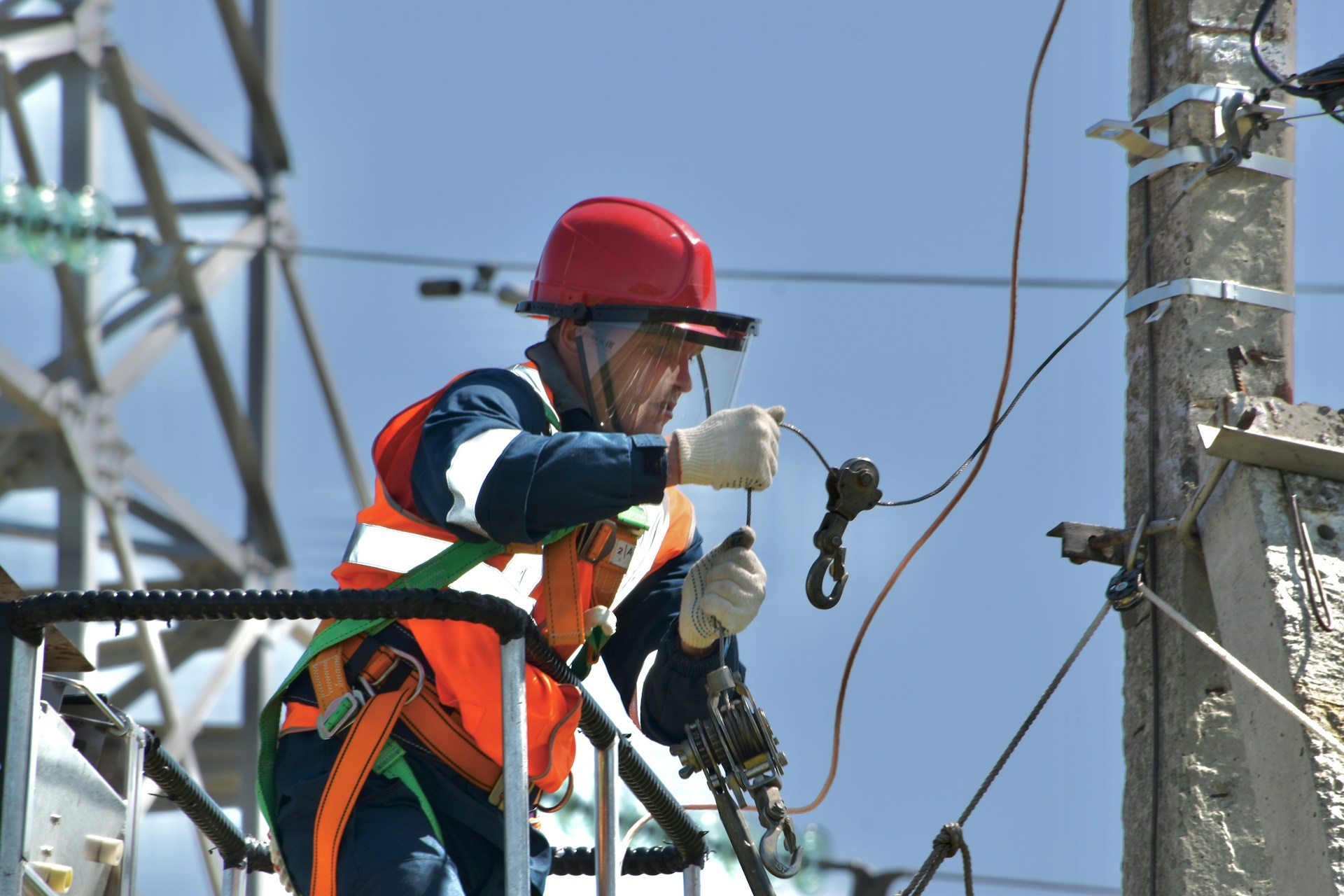
Competence remains distinct from course completion. Electrical work involves design decisions, safe isolation, inspection, testing, fault finding, documentation, and responsibility for systems that may remain energised for decades.
Training must therefore combine technical knowledge with supervised experience across a sufficient range of work. Attendance or completion of an isolated short course cannot substitute for occupational assessment and practical competence.
Low-carbon technologies add new interfaces without removing established electrical requirements. Solar arrays, batteries, heat pumps, and chargers still depend on correct circuit design, protection, earthing, isolation, labelling, verification, and maintenance.
Digital commissioning, networked controls, and remote monitoring add software and communications duties to conventional electrical work. Training providers need access to current equipment and instructors able to explain both physical installation and digital configuration.
Defence and maritime activity in the Solent introduces further specialist needs. Dockyards, vessels, secure facilities, shore connections, critical power, hazardous environments, and controlled sites may require sector-specific authorisations beyond core electrotechnical qualifications.
Instructor and assessor availability could limit expansion even where funding and applicants are available. Experienced electricians remain in strong demand on projects, making it difficult to move sufficient expertise into teaching and workplace assessment.
Shared arrangements may allow practising specialists to contribute current knowledge without leaving industry completely. Manufacturers and larger employers may also support equipment, guest teaching, placements, and continuing professional development for college staff.
Retention will determine whether additional starts become long-term capacity. Apprentices who encounter narrow work experience, poor supervision, excessive travel, or uncertain employment may leave before assessment, making completion and sustained employment more useful measures than enrolment alone.
Demand forecasting must also reflect project schedules. Housing, ports, defence, renewable generation, grid reinforcement, and fleet electrification create different peaks, while an apprenticeship cannot respond instantly to a short procurement cycle.
Early visibility of major programmes can allow employers and providers to build capacity before labour demand reaches its highest point. The Hampshire and Solent alliance now has a structure through which those forecasts can be tested against actual recruitment, training, and completion data.
Organisations interested in participating can review the programme through the ECA’s alliance information.