IN Brief:
- MaxSolar and Saft will deliver the 30MW/76.5MWh Quitzow II battery project in Brandenburg.
- The system will be co-located with an operating wind farm and use established substation infrastructure.
- Quitzow II forms part of a wider cooperation intended to support repeatable battery delivery across Europe.
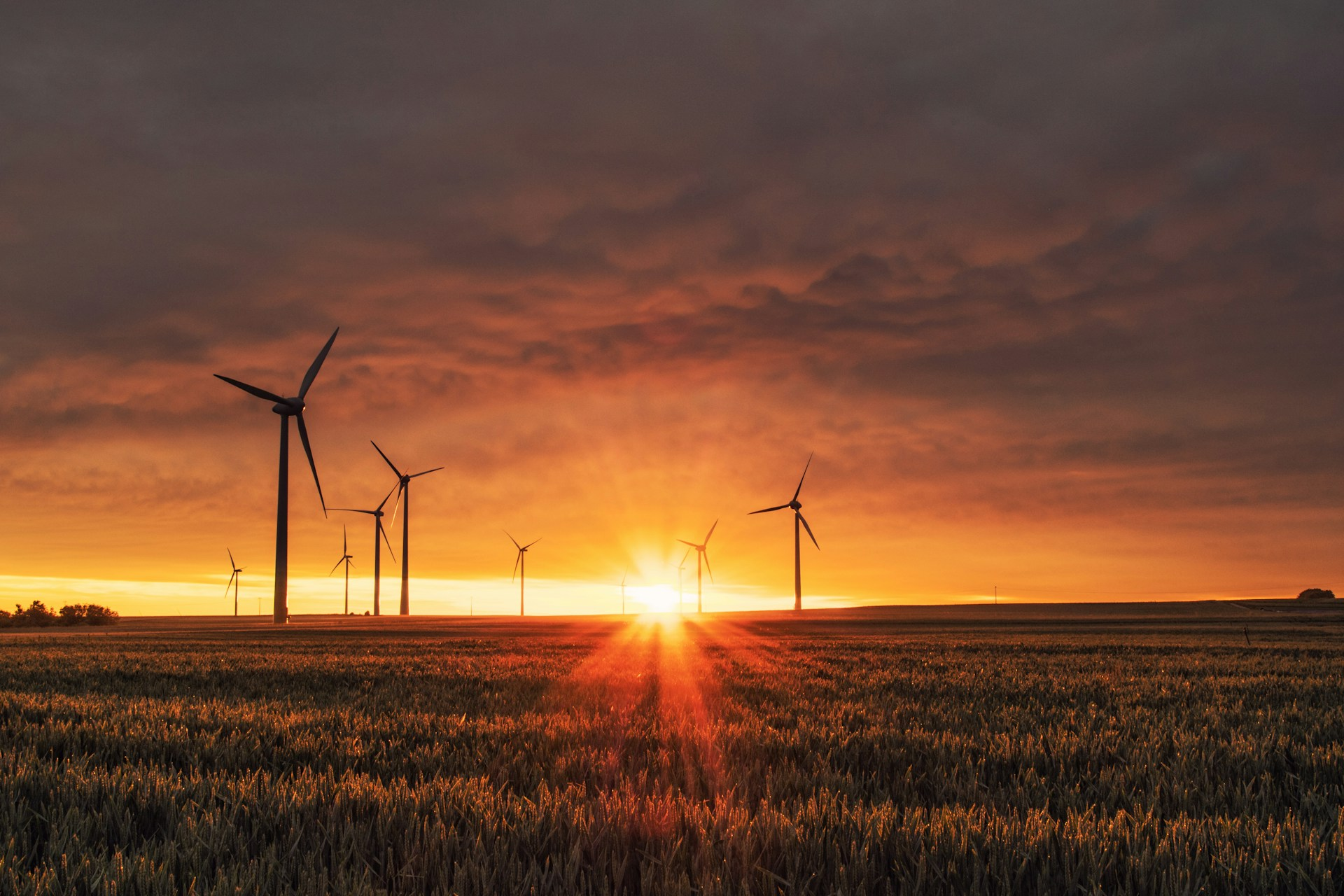
MaxSolar and Saft have agreed to deliver a 30MW/76.5MWh battery energy storage project beside an operating wind farm and substation at Quitzow in Brandenburg, Germany.
Developed by Denker & Wulf, the Quitzow II project will be delivered by MaxSolar as turnkey engineering, procurement, and construction contractor, while Saft supplies the battery technology. The arrangement forms part of a wider strategic cooperation intended to support further projects across Europe.
Placing the system beside existing generation and grid infrastructure reduces the amount of entirely new connection equipment required and creates scope to use the substation more flexibly across wind generation and storage.
At full output, the 76.5MWh system would provide approximately two and a half hours of discharge. That operating range can support energy shifting, wholesale trading, balancing services, and management of variable wind production, subject to the final connection agreement and dispatch model.
MaxSolar’s scope covers the complete installation, including power conversion systems, transformers, medium- and high-voltage equipment, protection, metering, communications, civil works, drainage, fencing, fire arrangements, controls, testing, and commissioning.
Saft, a wholly owned subsidiary of TotalEnergies, will supply the electrochemical storage system and associated technical support. Battery warranties, degradation assumptions, availability commitments, and interface responsibilities will need to align with both the EPC contract and the intended operating strategy.
MaxSolar has identified a German battery-development pipeline of approximately 6.1GW across six locations. Quitzow II will provide a defined installation through which the partners can establish technical interfaces, procurement processes, and delivery standards before applying them more widely.
Storage moves towards existing grid nodes
Wind farms use their export capacity unevenly because generation varies with weather. During periods of low output, part of the connection remains unused, while strong wind may coincide with low prices or local network constraints.
A battery can absorb electricity when generation or market conditions favour charging, then discharge as wind output falls or system value increases. The combined plant must remain within agreed import and export limits at every operating point.
Sharing a substation does not remove the need for detailed network studies. Protection, metering, fault contribution, reactive power, harmonics, charging import, and maximum export must be assessed across the different combinations in which the wind farm and battery may operate.
The control architecture will determine whether the two assets behave as one coordinated hybrid plant or remain commercially separate behind a common connection point. A hybrid controller can prevent the combined output exceeding the connection limit and use wind forecasts to preserve charging headroom.
Separate dispatch may retain greater market flexibility, but it requires firm rules so that instructions issued to one asset do not conflict with the electrical limits imposed on the other. Metering and settlement must also distinguish generation, battery charging, battery discharge, losses, and auxiliary consumption.
System modelling has suggested that German batteries could reduce network and balancing expenditure when connection location and dispatch support wider system needs. Quitzow II reflects that movement towards storage at established renewable nodes rather than isolated sites.
Flexible connection arrangements may allow batteries to operate within defined import and export envelopes without waiting for every reinforcement project to finish. Such agreements depend on dependable controls, real-time monitoring, and operating limits that can be enforced by the network operator.
The two-and-a-half-hour configuration places Quitzow II between short-duration frequency-response systems and the four-hour batteries increasingly entering capacity and energy-shifting markets. Its commercial performance will depend on the frequency and size of market spreads, balancing opportunities, wind conditions, and permitted cycling.
Dispatch strategy must also account for degradation. High power, deep cycling, elevated temperature, and sustained operation at high state of charge can reduce battery life, forcing the optimiser to weigh immediate revenue against future capacity and warranty limits.
Site safety requires coordinated fire detection, electrical isolation, access, separation, and emergency response. Co-location with wind and substation equipment introduces additional boundaries between operating areas and makes responsibility for alarms, switching, and incident management particularly important.
Standardisation across MaxSolar’s wider pipeline could reduce design time, procurement complexity, and commissioning effort. Each site will still present different fault levels, planning conditions, grid limits, cable routes, and environmental constraints, so repeatability must allow controlled project-specific variation.
Quitzow II combines two expanding areas of German power development: grid-scale battery deployment and more intensive use of existing renewable connections. Its delivery will test how effectively wind generation, storage, high-voltage equipment, and market controls can operate through one grid node.
Further information on MaxSolar’s storage activities is available from MaxSolar.