IN Brief:
- Larkhill Garrison has opened a ground-mounted array containing more than 4,000 photovoltaic panels.
- The 2.5-hectare installation is expected to generate approximately 1.7GWh and offset 352 tonnes of CO2e annually.
- Surplus electricity can be distributed to Bulford, Tidworth, and Perham Down through a private-wire network.
Defence Infrastructure Organisation has opened a ground-mounted solar installation at Larkhill Garrison in Wiltshire, adding approximately 1.7GWh of annual generation to the Army estate on Salisbury Plain.
Occupying 2.5 hectares, the array contains more than 4,000 photovoltaic panels and is expected to generate electricity equivalent to the typical annual consumption of approximately 630 UK homes. The output will instead supply military buildings and infrastructure across the connected estate.
Electricity not consumed at Larkhill can be transferred through a private-wire network to neighbouring camps at Bulford, Tidworth, and Perham Down. By linking generation with several demand centres, the arrangement avoids restricting production to the load behind a single local meter.
The project is expected to offset approximately 352 tonnes of carbon dioxide equivalent annually. Aspire Defence Services delivered the installation on behalf of DIO, with funding provided through the Army’s Project Prometheus programme.
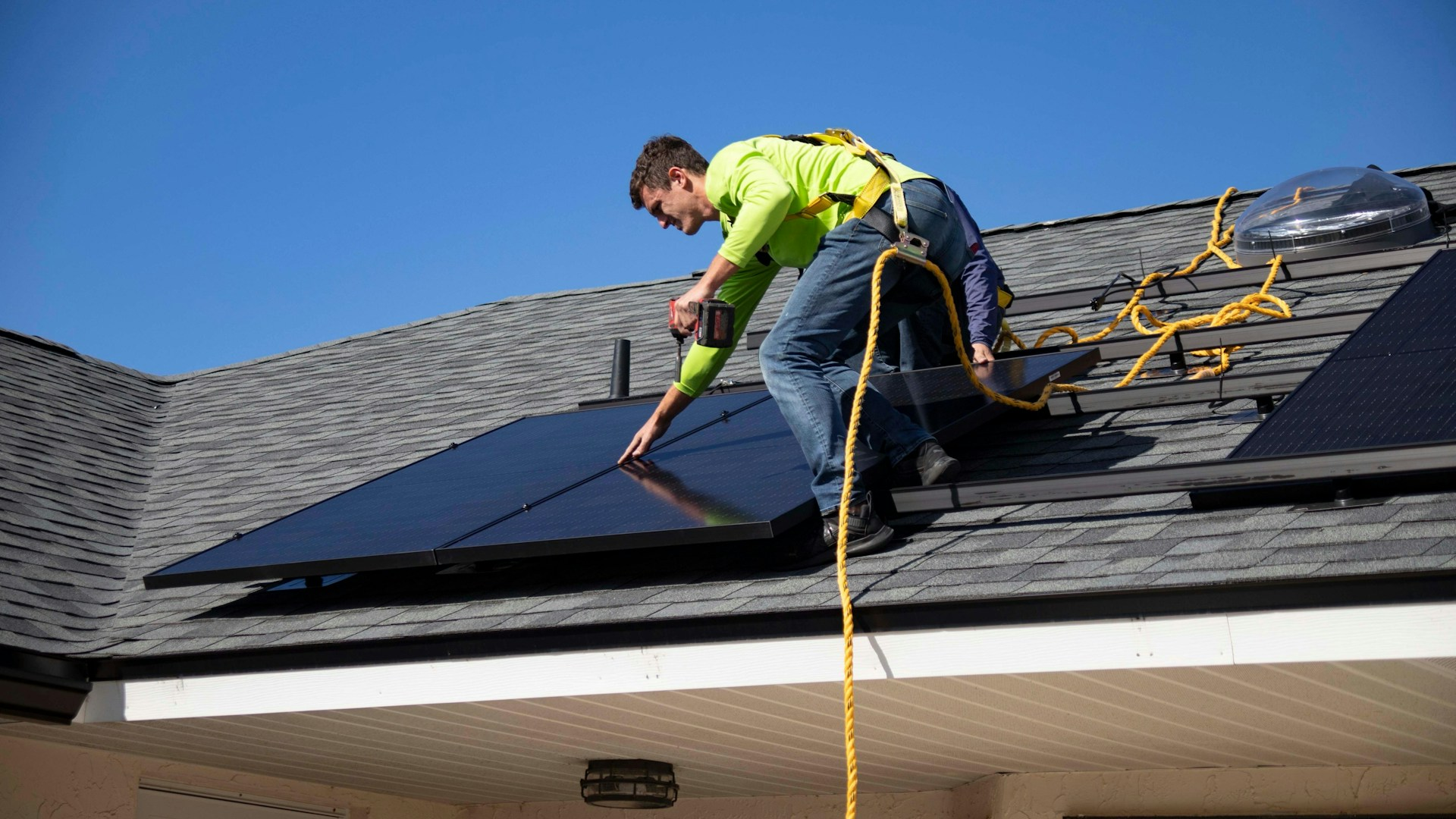
Four rooftop solar systems have also been completed at Larkhill, and the combined installations have enabled periods of daytime self-sufficiency across 73 days during peak daylight conditions. Surplus electricity produced during those periods was exported to Bulford Camp.
Although the ground-mounted array occupies previously unused green space, the site also incorporates a butterfly conservation area, combining electricity infrastructure with a defined biodiversity measure.
Private wire expands the usable generation profile
Photovoltaic production follows irradiance rather than the demand of an individual building. Without storage or access to a wider connection, output above the immediate load must either be curtailed or exported under the terms agreed with the public network operator.
A private-wire system combines demand across a defined estate, allowing generation to be used by several sites with differing operating profiles. Workshops, offices, accommodation, catering, training facilities, and other services may reach their peaks at different times, producing a broader load against which solar production can be absorbed.
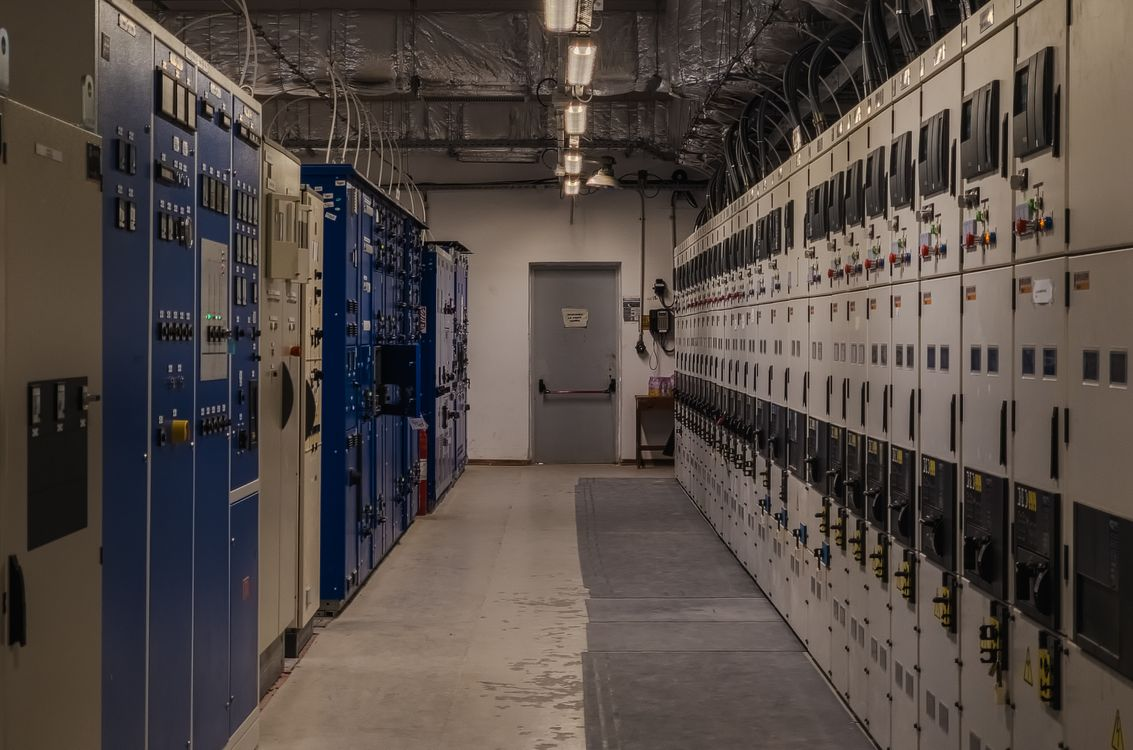
Protection, metering, switching, and operational control must be coordinated across the complete network. Faults need to be isolated without unnecessarily interrupting unaffected areas, while the system must distinguish between internal transfers, onsite generation, public-network imports, and any permitted exports.
As generation and demand change, power flows can reverse through cables, transformers, and switchgear that may originally have been selected for one-way supply. Voltage rise, fault contribution, transformer tap settings, and protection directionality therefore require review as additional distributed generation is connected.
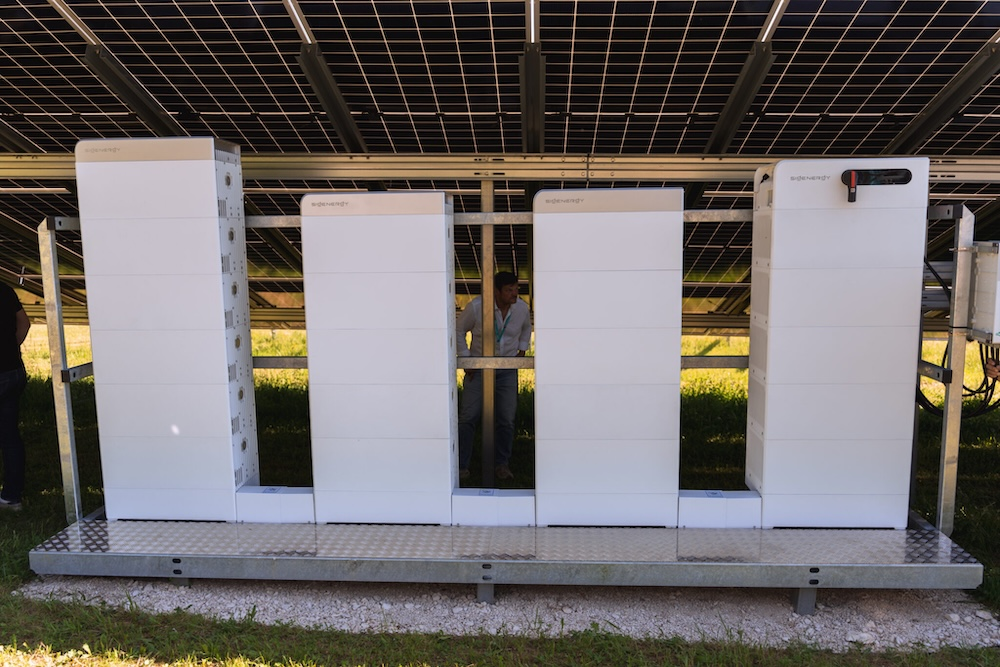
Where the public-network connection has a defined export limit, a central controller may need to curtail inverter output, redirect energy towards another camp, or coordinate storage and flexible loads. Maintaining that limit under equipment failure or loss of communications requires fail-safe operating logic.
Military estates also place particular emphasis on resilience. Solar generation cannot provide continuous supply independently because output is variable and absent at night, but it can reduce external imports during daylight and operate within a broader architecture containing public supplies, standby generation, and future storage.
Estate electrification increases control requirements
Large estates are adding renewable generation while electrifying vehicles, heating, workshops, and other services. Those loads can increase onsite use of solar electricity, although they may also create new peaks that require reinforcement of local substations, cabling, and low-voltage distribution.
Charging schedules, hot-water storage, building controls, and batteries can be coordinated with photovoltaic production. Flexible demand shifted towards periods of strong generation can reduce curtailment and improve utilisation of the existing private-wire capacity.
A similar structure is being developed through the private-wire solar arrangement serving Bentley’s manufacturing estate, where generation is tied directly to a substantial, long-term electrical load rather than depending solely on unrestricted public-network export.
Private networks remain electrically connected to the wider distribution system, and their protection settings, earthing, anti-islanding measures, power quality, metering, and operational procedures must satisfy the requirements at the point of connection.
Maintenance becomes more involved when several operational sites depend on common infrastructure. Isolation of cables, transformers, inverters, or switchboards must be coordinated around essential loads, while asset records need to remain current as generation and demand are added or altered.
Solar performance will change during the operating life through module degradation, inverter replacement, vegetation growth, soiling, cable losses, and equipment availability. Monitoring systems must distinguish weather-related variation from faults or deterioration so lost production can be identified promptly.
The Larkhill installation moves beyond a single-building solar scheme by combining a ground-mounted array, four rooftop systems, and a multi-site private network. Its long-term performance will depend on coordinated demand, reliable export control, effective maintenance, and the integration of further electrical loads across the estate.
Project Prometheus provides a route for similar systems to be developed at other Army locations, although each estate will present different network conditions and demand profiles. Larkhill now offers an operating example of distributed generation being managed across several connected sites while retaining the security of a wider network supply.