IN Brief:
- Waldevar has acquired Romanian power-network engineering company Elemo.
- The acquired business has experience across overhead networks from 0.4kV to 750kV.
- Waldevar Power Grid will combine renewable EPC, storage, and grid-connection capability.
Waldevar has acquired Romanian power-network engineering company Elemo and established a new division, Waldevar Power Grid, to deliver high-voltage and extra-high-voltage infrastructure.
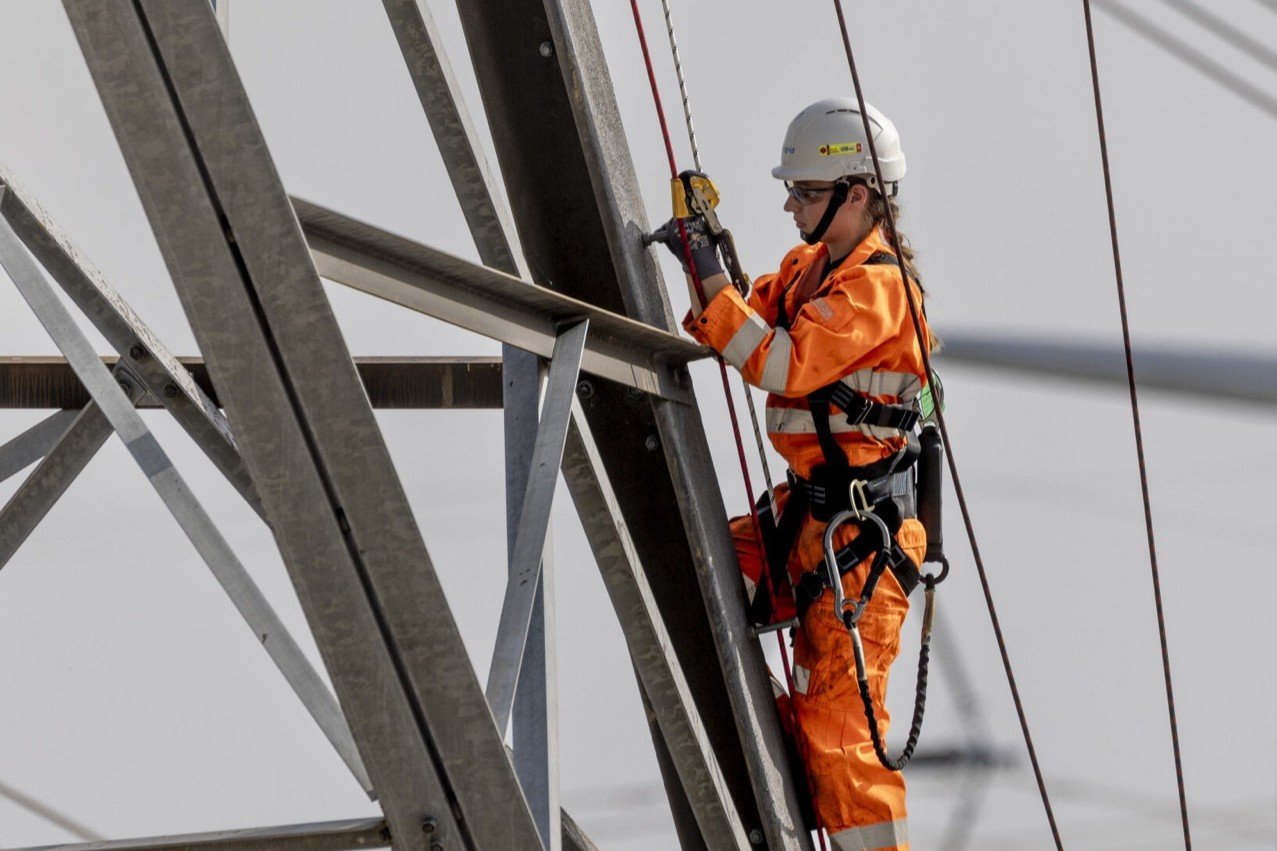
Founded in 1994, Elemo designs, constructs, modernises, and maintains overhead electrical networks rated from 0.4kV to 750kV. Its completed work includes more than 1,500km of high-voltage overhead lines and over 4,000km of optical ground wire installations.
The company’s capabilities extend to projects above 400kV, helicopter-assisted line installation, operationally constrained network environments, and specialist optical communications integrated into overhead earth wires. It also holds Romanian energy-regulator certifications covering electrical design, construction, and maintenance.
Existing customers include national transmission system operator Transelectrica and distribution companies Distribuție Energie Electrică România, Delgaz Grid, and Rețele Electrice. These relationships place the acquired business within both the regulated network market and the expanding renewable-connection sector.
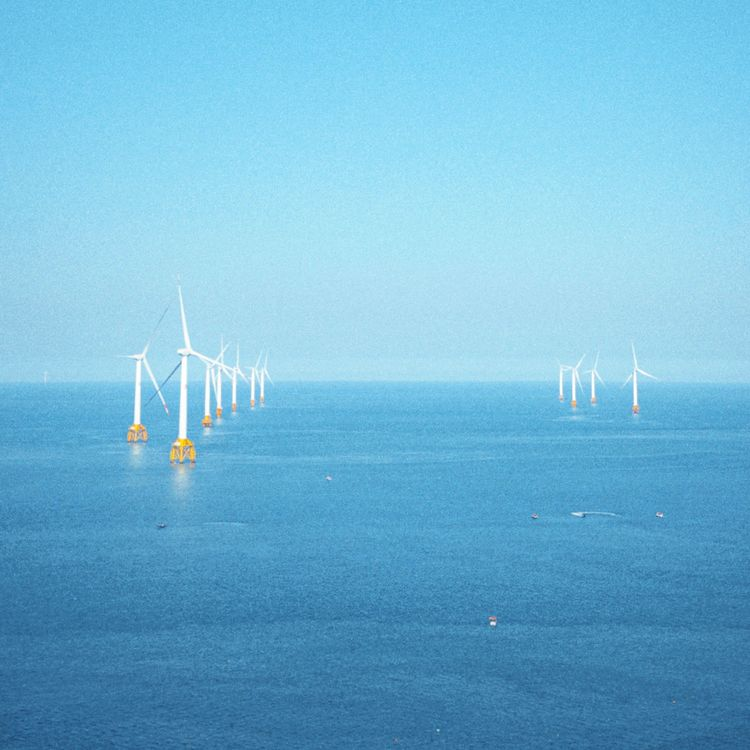
Waldevar has developed and constructed renewable projects across Romania, Germany, the Czech Republic, Italy, and France. Its portfolio exceeds 3.5GW of installed or under-construction capacity, supported by more than 2,000 employees and a fleet of over 400 items of heavy equipment.
By integrating Elemo, the group gains an internal route from renewable or battery construction into the high-voltage infrastructure required to connect those assets. Waldevar Power Grid will cover overhead lines, substations, optical communications, network reinforcement, storage connections, and hybrid energy projects.
Grid connection now accounts for a growing proportion of renewable-project cost and programme risk. Solar panels, wind turbines, and battery containers can be procured within comparatively standardised packages, while the network interface depends on fault levels, available capacity, protection requirements, land, voltage control, and the delivery programme of a regulated operator.
Developers that control more of the connection scope can coordinate civil works, cable systems, substation construction, protection, communications, and commissioning with the generation project. Fewer contractual interfaces can simplify programme management, although the integrated business assumes greater responsibility for design assurance, operational safety, and compliance.
Romania is attracting substantial renewable and storage investment, while transmission and distribution systems require reinforcement to accommodate the resulting power flows. The ENEVO and Kraftfeld battery development forms part of a broader pipeline that will depend on suitable substations, lines, protection systems, and market connections.
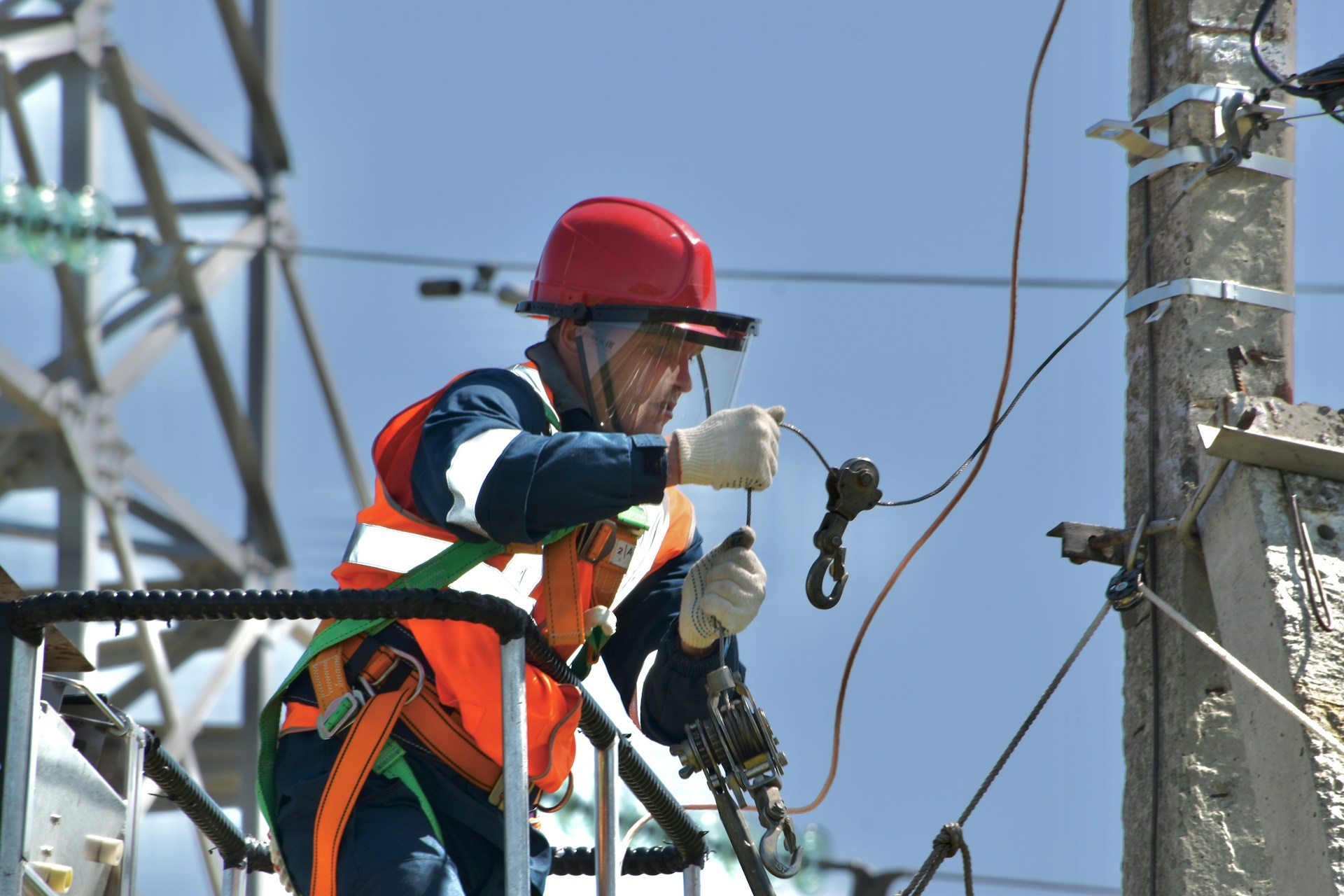
Overhead line work above 400kV remains highly specialised. Route engineering, tower and foundation design, conductor stringing, earthing, insulation coordination, lightning protection, access planning, and work near energised infrastructure all require experienced engineering and operational control.
Weather, terrain, planned outages, public consultation, and environmental restrictions can materially affect delivery. When reinforcement is required on an operational network, construction sequencing must also preserve security of supply while maintaining safe working distances and authorised access.
Optical ground wire has become integral to modern transmission infrastructure because it combines lightning shielding with fibre-optic communications used for protection signalling, monitoring, voice, control, and operational data.
Installation and jointing quality therefore influence both electrical reliability and the communications systems on which protection and control depend. Defects can affect data transmission, fault-clearing performance, remote operation, and network visibility.
Helicopter-assisted methods can reduce ground access requirements and accelerate work in difficult terrain, but they demand detailed coordination between pilots, line crews, lifting specialists, system operators, and safety teams. Their use may be justified where conventional access would create greater environmental disturbance or extend the construction programme.
The acquisition follows growing consolidation between renewable EPC companies and grid specialists. Connection queues, transformer lead times, cable availability, and limited high-voltage labour are making network capability strategically valuable.
Companies that previously concentrated on generation assets are increasingly adding substation, storage, electrical balance-of-plant, and transmission expertise. That expansion can create more coordinated delivery models, provided specialist competence is retained rather than diluted within a broader construction organisation.
The transaction price has not been disclosed. Operational integration will require aligned engineering procedures, authorisations, safety systems, quality controls, procurement arrangements, and project governance, while preserving Elemo’s regulated credentials and specialist workforce.
Waldevar Power Grid enters a market supported by transmission reinforcement, distribution modernisation, renewable connections, battery construction, and cross-border infrastructure. Its position will depend on converting Elemo’s technical record into coordinated delivery across regulated network contracts and privately developed energy projects.