IN Brief:
- European solar generation reached approximately 129TWh during the second quarter of 2026.
- Spain recorded 596 negative-price hours during the first half of the year.
- Storage, flexible demand, intraday trading, and stronger grids are becoming increasingly important.
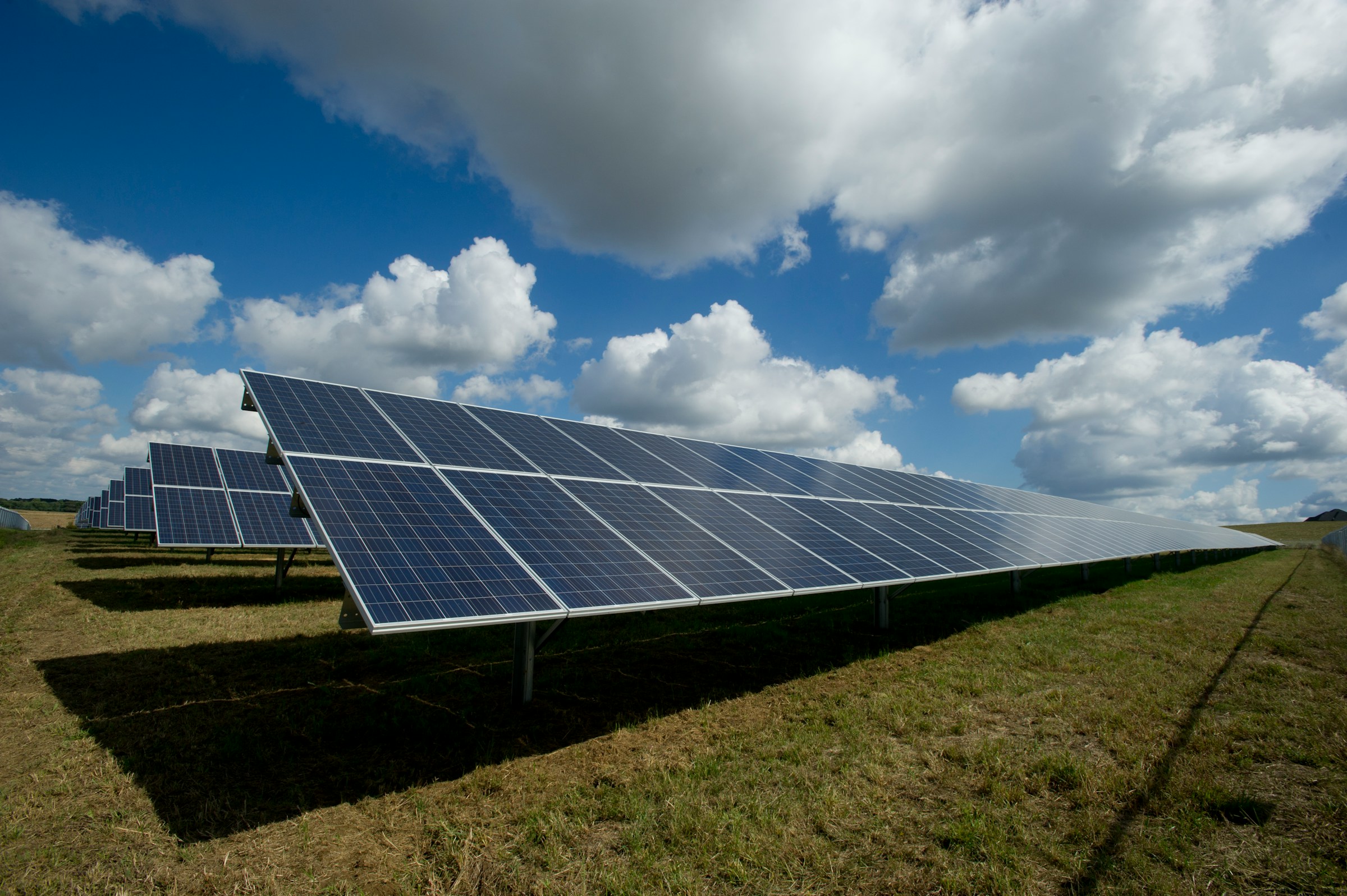
European solar generation reached approximately 129TWh during the second quarter of 2026, almost 20% above the previous second-quarter record, as additional photovoltaic capacity increased midday electricity supply across the continent.
Market data compiled by Montel shows that the higher output contributed to a sharp rise in periods when wholesale electricity prices fell below zero. Spain recorded 596 negative-price hours during the first half of the year, while Portugal recorded 462 and France 370.
Negative prices arise when available generation exceeds immediate demand and the power system lacks sufficient economic flexibility to absorb, export, store, or curtail the surplus. Generators may continue operating where support arrangements, contractual obligations, technical constraints, or restart costs make negative bidding preferable to shutting down.
As the frequency and depth of these events have increased, European power exchanges have extended the lower price boundary. The day-ahead market floor was reduced from minus €500/MWh to minus €600/MWh by the end of April, allowing traded prices to reflect more severe periods of oversupply.
The same quarter also produced episodes of high prices. Heatwave conditions in June increased electricity demand while reducing the availability or efficiency of some thermal and nuclear generation, with German afternoon prices exceeding €600/MWh during several periods of tight supply.
Average daily and weekly prices in France and Spain also moved above €100/MWh during parts of the heatwave. High annual renewable output therefore coexisted with short periods of scarcity, exposing the difference between total energy production and continuous system balance.
Electricity must be matched with demand in real time, and the system can move from surplus to shortage within a single day. Weather, demand, plant outages, interconnector availability, reservoir levels, fuel costs, and network constraints all influence the balance.
Solar generation produces a particularly concentrated profile because large volumes arrive around the middle of the day, often across several neighbouring countries simultaneously. Cross-border trading can move some surplus, but interconnectors cannot eliminate a regional imbalance when connected markets are experiencing similar conditions.
Storage can shift part of that energy into evening demand, although project economics extend beyond the visible day-ahead spread. Charging and discharging losses, battery degradation, network charges, connection limits, market-access costs, and competing flexibility services determine the revenue available to an individual asset.
Flexible demand provides another route through industrial processes, electric boilers, heat pumps, hydrogen production, refrigeration, data centres, and electric-vehicle charging. Where operating constraints permit, automated consumption can respond to market or network signals without disrupting production or service requirements.
Conventional generators are adjusting their trading strategies as well. Some flexible thermal and storage operators are moving capacity away from the day-ahead auction towards intraday, balancing, and ancillary-service markets, where prices may better reflect rapidly changing conditions.
That movement can reduce day-ahead liquidity and make forecasting errors more expensive. It can also increase the value of accurate renewable forecasts, automated bidding systems, and assets capable of altering output or demand close to real time.
The grid remains central to the problem. Renewable deployment across Europe is already being constrained by network capacity, while new generation continues to arrive faster than transmission, distribution, storage, and demand-side flexibility can be developed.
Location therefore carries increasing commercial weight. A battery connected behind a constrained substation may be unable to charge during a regional surplus, while additional solar generation can intensify local voltage and thermal limits even when the national system requires more renewable electricity.
Connection studies and dispatch arrangements must account for local network conditions as well as national market value. Co-located systems, active export control, and flexible connection agreements can improve the use of constrained infrastructure, but they also introduce more complex control and settlement requirements.
Price cannibalisation is changing renewable-project design. As more solar plants generate simultaneously, the average price received by photovoltaic output can fall below the market average, prompting developers to consider co-located storage, power-purchase agreements, hybrid portfolios, improved forecasting, and more active export control.
Measurement and automation are becoming integral to those strategies. Interval metering, secure communications, state-of-charge management, forecasting, and automated dispatch determine whether flexible assets can respond quickly enough to changing prices and system conditions.
Europe’s latest solar record shows that photovoltaic construction is advancing faster than several of the systems required to integrate it. Further renewable deployment will increasingly depend on the ability to move electricity across time, geography, and different forms of demand rather than simply adding more generating capacity.