IN Brief:
- Vayona Energy will supply 30 wind turbines representing 108MW of capacity to Continuum Green Energy.
- The order covers SG 3.6-145 and SG 3.4-145 machines for the Kalavad and Devikot developments, with hub heights of 133.5 and 146 metres.
- Vayona will provide commissioning support and 20-year maintenance services, alongside access to shared electrical evacuation infrastructure at Devikot.
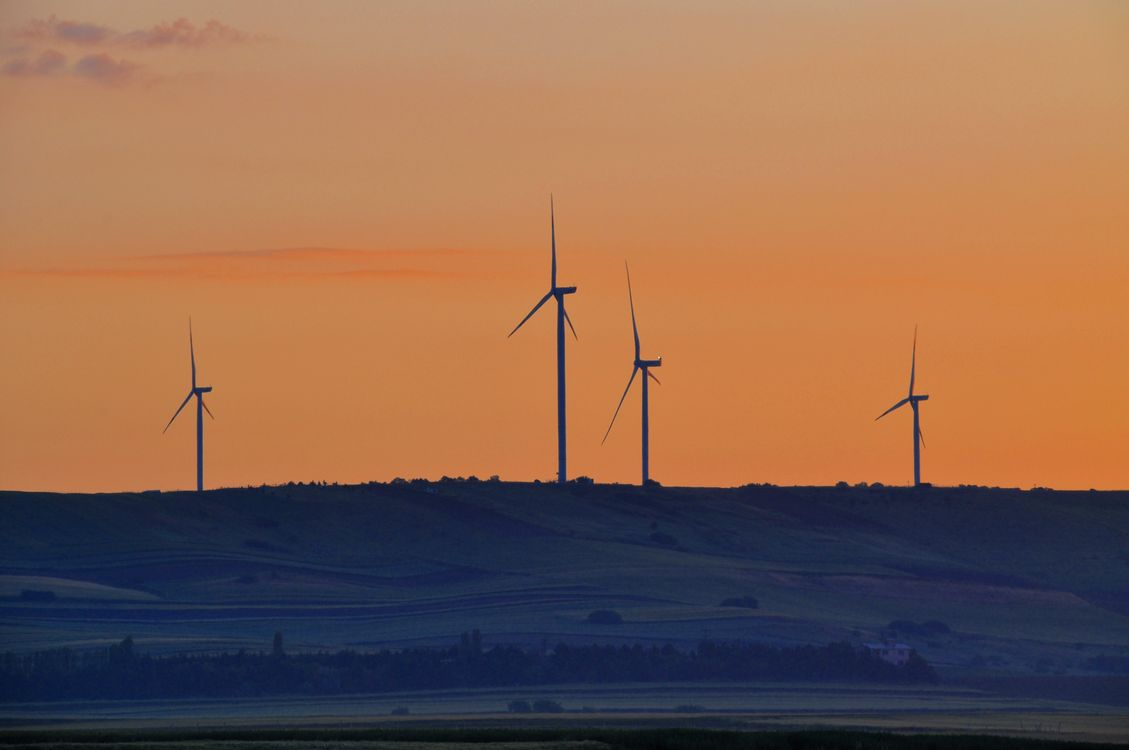
Vayona Energy has secured a 108MW wind turbine supply order from Continuum Green Energy, covering 30 generating machines for projects in Gujarat and Rajasthan, India, together with commissioning support and long-term maintenance services.
The agreement was confirmed on 2 November and covers the Kalavad and Devikot developments. Vayona will supply equipment from its SG 3.X turbine platform, with different machine configurations and tower heights selected for the two locations.
Kalavad, in Gujarat, will receive ten SG 3.6-145 turbines rated at 3.6MW each, providing 36MW of installed generating capacity. The machines will have hub heights of 133.5 metres, with the configuration selected to meet the project’s intended operating and delivery requirements.
Devikot, in Rajasthan, will receive 20 turbines representing the remaining 72MW. The order comprises 14 SG 3.4-145 machines with hub heights of 146 metres and six SG 3.6-145 turbines with 133.5-metre hub heights.
Although the SG 3.4-145 model designation refers to a 3.4MW turbine platform, Vayona identifies a contracted rating of 3.6MW for the machines included in the Devikot order. The manufacturer’s product information describes the platform as having configurable power capability of up to 3.75MW, accommodating the stated project rating.
Both turbine variants use a rotor diameter of approximately 145 metres. The rotor’s swept area influences the amount of wind energy available to the generating system, while the turbine’s control equipment manages aerodynamic loading and electrical output under changing operating conditions.
The selection of hub height also affects energy yield. Wind speed, turbulence and directional conditions vary with elevation and terrain, so turbine configuration must be assessed against the characteristics of each development location.
The differing tower heights at Devikot allow the project to use two equipment configurations within the same generating development. Their eventual performance will depend on local wind conditions, turbine availability and the technical limits established for the installed machines.
The turbine rotor transfers mechanical energy through the drivetrain to the generating equipment. Electrical output is then managed through the turbine’s power and control systems so that the machine can operate within its permitted mechanical and electrical conditions.
Blade pitch and other control functions influence the aerodynamic forces acting on the rotor, while the generating and conversion equipment regulates the electrical power delivered by the turbine. The combined control arrangement must account for changes in wind conditions and the requirements of the connected electricity network.
Power from individual turbines is collected through the wind farm’s internal electrical infrastructure before being transformed and exported. The electrical design must accommodate the aggregate generating capacity, collection circuit characteristics, protection requirements and operating conditions established through the network connection agreement.
At Devikot, Vayona will also provide access to shared power evacuation infrastructure, including the project substation and an extra-high-voltage transmission line. This extends the commercial arrangement beyond turbine supply and places additional emphasis on coordinating generating equipment with shared electrical assets.
The use of common evacuation infrastructure can allow electricity from multiple generating units to be delivered through established network facilities, provided their combined output remains within the permitted connection capacity and the electrical ratings of the equipment.
Protection coordination becomes particularly important where several generating installations share a connection. Fault detection, switching and isolation arrangements must distinguish between equipment and circuit conditions while maintaining appropriate protection of the wider network.
Substations serving wind developments require transformers, switchgear, metering, control and communications equipment suited to the expected power flows. Where assets are shared, the responsible parties must also establish arrangements for operation, maintenance and the management of equipment outages.
Vayona’s supply scope includes technical field support during installation and commissioning. These activities will establish whether the equipment has been installed correctly and can operate within its specified mechanical, electrical and control limits.
Commissioning also requires coordination with the wind farm’s electrical infrastructure. Protection functions, communications and operational controls must be tested alongside the network connection arrangements before the turbines can enter regular commercial service.
The contracts include operations and maintenance agreements extending for 20 years. These arrangements cover the continuing servicing of generating equipment, inspection of components and management of faults and replacement activities over a substantial part of the projects’ intended operating lives.
Maintenance requirements depend on the condition and operating history of individual turbines. Data collected through turbine monitoring and control systems can support assessments of equipment performance and inform the scheduling of inspections and maintenance activities.
Vayona operates manufacturing and service facilities in India, including nacelle and blade production. The company was established following the acquisition of Siemens Gamesa’s onshore wind operations in India and Sri Lanka by investors led by TPG Rise Climate and MAVCO Investments.
Its SG 3.X platform had accumulated more than 3.7GW of orders and over 2.2GW of installed generating capacity across India by August 2026, according to the manufacturer. The new Continuum agreement adds a further 108MW to that contracted equipment portfolio.
Continuum Green Energy develops and operates renewable electricity projects supplying commercial and industrial customers. Its portfolio includes wind, solar and hybrid generation, with long-term electricity supply arrangements forming part of its business model.
The project delivery schedules differ between the two locations. Vayona states that Kalavad turbine deliveries were scheduled to begin in May 2026 over a two-month period, while Devikot deliveries were planned from October 2026 to January 2027.
Those dates are the schedules supplied with the contract announcement and do not establish the actual delivery or commissioning status of individual turbines. The remaining construction and electrical integration milestones will determine when the equipment becomes operational.
The agreement combines 108MW of turbine equipment with long-term service obligations and shared network infrastructure at Devikot. Completion of turbine installation, electrical testing and commissioning will establish the generating capacity available to Continuum’s Indian renewable electricity portfolio.