IN Brief:
- Drax, Brookfield, and Radiant have agreed to develop gigawatt-scale data centre infrastructure at Drax Power Station.
- The first phase targets up to 100MW of computing capacity using grid-imported electricity, with operation proposed from early 2028.
- Later phases could use behind-the-meter supply from Drax generation, subject to consents, commercial agreements, and relevant government approvals.
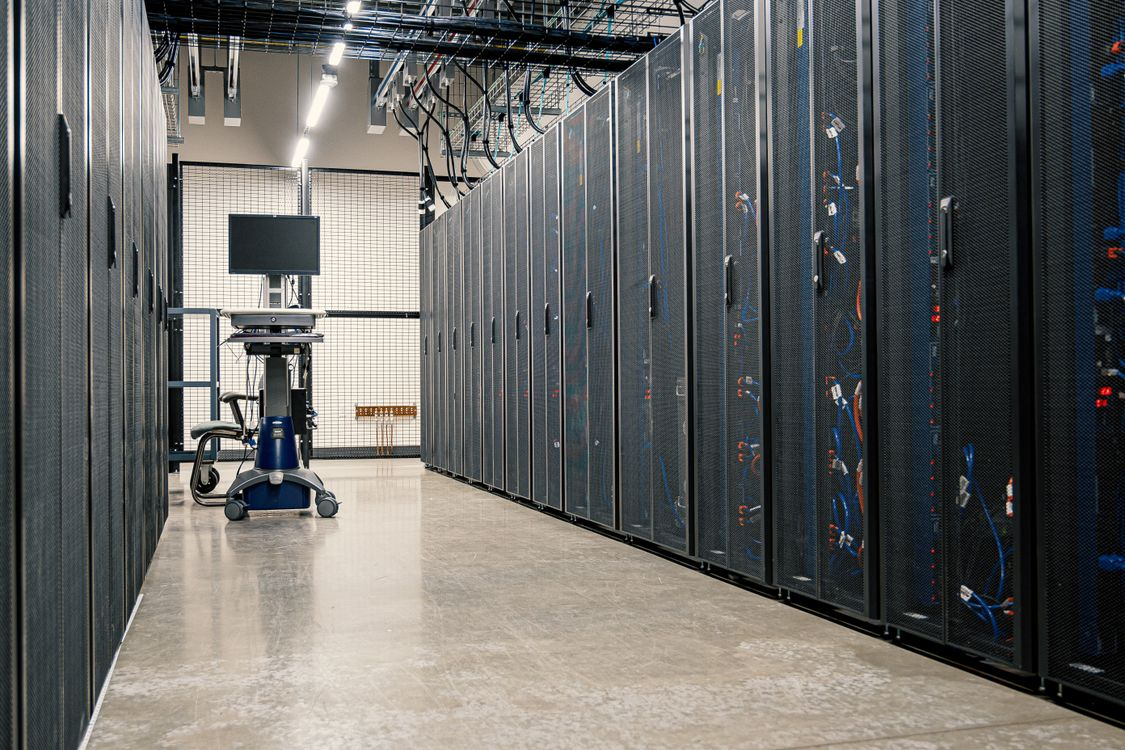
Drax Group has agreed a strategic partnership with Brookfield and Radiant to develop gigawatt-scale data centre infrastructure at Drax Power Station in North Yorkshire, combining the site’s established electricity infrastructure with a phased programme of computing capacity.
The agreement, confirmed on 3 November, brings together Drax’s generating assets and industrial estate with Brookfield’s investment capabilities and Radiant’s experience in AI computing infrastructure. The Brookfield-Qai AI infrastructure joint venture is expected to provide investment backing for the proposed development.
The partners are targeting an initial data centre providing up to 100MW of computing capacity, with commercial operations proposed from the first quarter of 2028. Later development options involve approximately 500MW of additional capacity between 2028 and 2031, followed by further expansion after 2031.
Brookfield estimates that the full development could attract investment exceeding £20 billion, including semiconductor equipment and other computing infrastructure. An initial investment of approximately £2.5 billion has been identified for the first phase, although the actual expenditure will depend on the project’s commercial and investment decisions.
The power station estate covers more than 1,000 acres and has approximately 4GW of grid access, alongside 2.6GW of active dispatchable electricity generation and established cooling infrastructure. Its proximity to fibre communications networks adds another infrastructure component relevant to the proposed computing development.
The first phase is intended to import electricity directly from the grid using existing infrastructure, with Drax managing the power connection arrangements. Radiant will lead design, customer engagement, and commercialisation, while Drax will take responsibility for land, power integration, and planning.
That initial configuration differs from the proposed arrangements for subsequent phases. The existing grid connection provides an infrastructure starting point for development, but the project’s electrical demand must still be assessed against the available import capability, connection requirements, and the operating arrangements of the wider network.
The 100MW figure describes the targeted computing capacity rather than the complete electrical load of every system within the facility. A large data centre also requires electricity for cooling, internal power distribution, communications, and supporting equipment, with the overall demand determined by the final technical design.
Power distribution architecture will form a significant part of the engineering work. Electricity delivered through the site’s connection must be transformed and distributed at voltages appropriate for the computing equipment, with suitable switchgear, protective devices, monitoring, and control systems.
High-density computing can concentrate substantial electrical demand within individual equipment areas. The internal distribution system must accommodate that loading while maintaining acceptable voltage and power quality, with protection arrangements capable of isolating faults without unnecessarily interrupting unaffected equipment.
Supply continuity is another design consideration. Depending on the final resilience requirements, the development may incorporate uninterruptible power supplies, energy storage, backup generation, or redundant electrical distribution arrangements to support critical computing loads during equipment faults and maintenance.
The performance and configuration of those systems will depend on the intended operating model and the reliability requirements agreed with customers. The partnership has not yet disclosed a final electrical architecture or the suppliers selected for its critical power infrastructure.
Cooling equipment will also require substantial engineering integration. High-performance computing hardware converts a significant proportion of its electrical input into heat, which must be removed to maintain the equipment within its permitted operating temperatures.
The power station already has industrial cooling infrastructure, but adapting it for computing equipment will depend on the cooling technology selected and the required operating conditions. The final design will determine whether existing systems can be reused, modified, or supplemented with additional equipment.
The second phase is expected to investigate a different electricity supply arrangement, using generation at Drax Power Station to provide power directly to the data centre through a behind-the-meter configuration. The partners envisage a long-term power purchase agreement for this arrangement, subject to the necessary consents and commercial terms.
Behind-the-meter supply would connect generating and consuming assets through an arrangement that differs from the initial phase’s grid-import model. Its development will require appropriate metering, protection, control, and commercial provisions governing electricity delivered to the computing facility and the treatment of power flows involving the wider network.
Drax’s existing biomass generation arrangements create an additional contractual consideration. In November 2025, the company agreed a Contract for Difference covering approximately 6TWh of annual biomass generation from April 2027 to March 2031, equivalent to around 30% of its stated annual baseload output.
That agreement contains a mechanism through which Drax can request permission to use up to 500MW of capacity to supply a data centre during the contracted period. Approval would be required from the UK Government and the Low Carbon Contracts Company, with the decision taking account of consumer value, energy security, sustainability, and other relevant considerations.
The proposed supply arrangement for later data centre phases therefore remains conditional. The existence of generating capacity and established electrical infrastructure does not, by itself, establish that electricity can be redirected under the intended contractual structure without further approvals.
Drax expects its existing role in electricity security of supply and system services to continue. The development programme must consequently account for the operation of the generating station alongside the proposed computing facilities, including the electrical and contractual arrangements governing both activities.
Progression of the initial phase also depends on planning permission, regulatory and network approvals, securing an acceptable tenant, and the conclusion of commercial agreements. Each partner must make the necessary final investment decisions before construction proceeds.
A public consultation is expected to begin in November 2026, with the partners preparing the first planning application. A separate voluntary community benefit fund is also being considered alongside existing local initiatives and any obligations arising through the planning process.
The initial 100MW phase establishes the first proposed delivery milestone, while the wider gigawatt-scale ambition depends on further development after 2028. The project will require detailed integration of electricity supply, critical power systems, cooling infrastructure, and computing equipment before commercial operation can begin.