IN Brief:
- Acciona Energía plans three battery energy storage installations with combined ratings of 21.2MW and 41.7MWh.
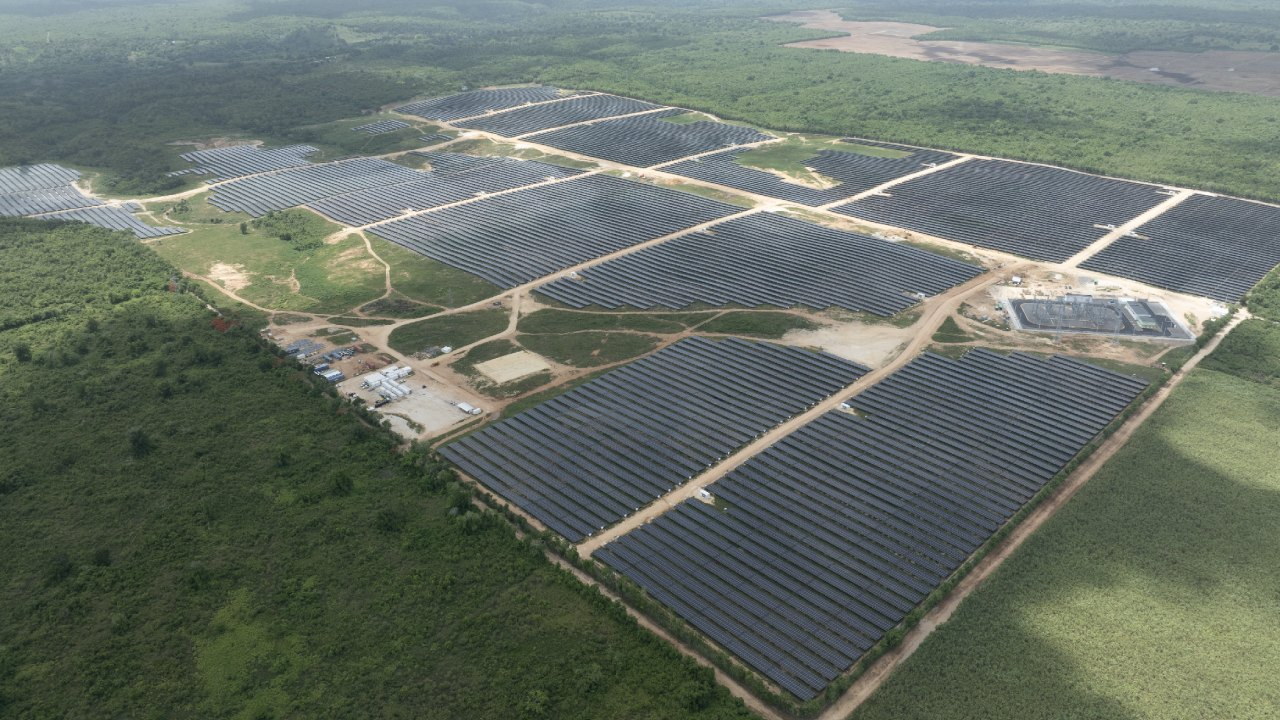
- The systems will be located alongside Pedro Corto, Calabaza I, and Cotoperí Solar, which together provide 303.3MWp of photovoltaic capacity.
- Commissioning is targeted for the fourth quarter of 2027, with the batteries intended to support grid frequency regulation and renewable integration.
Acciona Energía plans to install three battery energy storage systems alongside its existing photovoltaic facilities in the Dominican Republic, adding a combined 21.2MW of power capacity and 41.7MWh of stored energy to its electricity generation portfolio.
The installations will be located at Pedro Corto, Calabaza I, and Cotoperí Solar, where the company already operates photovoltaic generating equipment. Acciona expects the battery projects to enter service during the fourth quarter of 2027, providing additional electrical flexibility at the existing sites.
The plans were reported on 3 November and involve three solar developments with a combined installed capacity of 303.3MWp. Cotoperí Solar accounts for 162.6MWp, Pedro Corto provides 82.7MWp, and Calabaza I contributes a further 58MWp.
Adding storage will allow the sites to absorb and release electricity according to the operating capabilities of the new equipment. The batteries are intended to contribute to the stability of the Dominican Republic’s National Interconnected Electric System, known as SENI, particularly through the management of frequency deviations.
The combined storage portfolio will have an energy capacity of 41.7MWh and a maximum power rating of 21.2MW. Dividing the stated energy capacity by the total power rating gives a nominal discharge duration of approximately 1.97 hours, before allowing for energy losses, operating reserves, and other restrictions.
Acciona has not disclosed how the aggregate power and energy capacity will be distributed between the three installations. Their individual discharge durations and equipment configurations therefore remain unspecified, even though the combined portfolio rating provides a measure of the scale of the development.
Power and energy capacity describe different technical characteristics. A battery’s megawatt rating determines the rate at which it can deliver or absorb electrical power, while its megawatt-hour capacity determines the quantity of stored energy available for operation over time.
The batteries will exchange electricity with the alternating current network through power conversion equipment. During charging, that equipment manages the transfer of energy into the battery system, while discharge requires controlled conversion of stored energy back into alternating current suitable for the connected electrical installation.
Battery management systems supervise the condition of the storage equipment, including cell temperature, voltage, and state of charge. Higher-level controls coordinate charging and discharging with the requirements of the electricity connection and the operating services assigned to the installation.
Acciona identifies frequency regulation as one of the intended functions of the new systems. Electricity system frequency responds to changes in the balance between generation and consumption, making the ability to adjust power rapidly an important operational characteristic of appropriately configured storage.
A battery can increase its electrical output or change its charging demand in response to a control instruction, subject to its available energy, converter capability, and operating limits. Sustained response is constrained by the energy remaining in the battery and the need to preserve suitable operating reserves.
These characteristics distinguish frequency-related services from simple energy shifting. A battery used for scheduled electricity delivery may discharge over a planned period, while a system providing frequency response must maintain sufficient capability to react to changes in network conditions.
Combining the two functions requires an operating strategy that accounts for the energy reserved for system services and the opportunities available for charging. The precise services to be contracted and the commercial arrangements governing each installation have not yet been disclosed.
Co-location with existing solar generation provides another potential use for the equipment. During periods of high photovoltaic output, surplus electricity can be stored for later delivery where the site’s electrical configuration and operating conditions permit it.
Such operation may reduce renewable curtailment under suitable circumstances. The amount of electricity that can be retained depends on available battery capacity, the charging rate, connection limits, and the relationship between solar output and the wider network’s ability to accept generation.
Existing solar infrastructure can provide a starting point for the storage installations, including established land arrangements and electrical facilities. Acciona expects this approach to reduce the requirement for additional development land and help manage investment costs.
Each battery project will nevertheless require suitable electrical integration. Transformers, switchgear, protection, metering, and control equipment must be selected and configured to accommodate the new power flows without exceeding the permissible operating limits of the connected systems.
Charging introduces electricity demand at sites previously developed primarily for generation. Protection coordination and control arrangements must account for the ability of the combined facilities to absorb or export power, with operating limits established through the relevant network connection requirements.
The new storage capacity will be installed alongside photovoltaic facilities developed through different commercial arrangements. Acciona holds a 51% interest in Cotoperí Solar, with the remaining 49% owned by Cotosolar Holding, which includes Dominican investment partners.
At Pedro Corto, Acciona also holds a 51% stake, with the remaining interest owned by Fondo de Desarrollo de Sociedades de Impacto Social Pioneer II. The company’s established participation in these developments provides an investment and operating base for the planned storage additions.
The Dominican Republic has been developing arrangements intended to increase battery deployment and incorporate storage into electricity system operation. Acciona’s plans align with that activity by adding controllable power capacity to existing renewable generating facilities.
The company has not disclosed the equipment suppliers, individual project budgets, or the final distribution of storage capacity between the three locations. Those details will determine the remaining procurement and engineering requirements as the developments move towards construction.
The fourth quarter of 2027 remains the targeted commissioning period. Completion of the installations will add three battery systems to Acciona’s Dominican photovoltaic portfolio, providing additional electrical flexibility and equipment capable of supporting the country’s frequency regulation requirements.