IN Brief:
- Netel has secured an E.ON Energidistribution contract worth more than SEK32m for a new transformer station.
- The station will be built at Bollstabruk, north of Kramfors in Sweden.
- Completion is scheduled for 2029, while voltage levels, transformer ratings, and detailed equipment scope remain undisclosed.
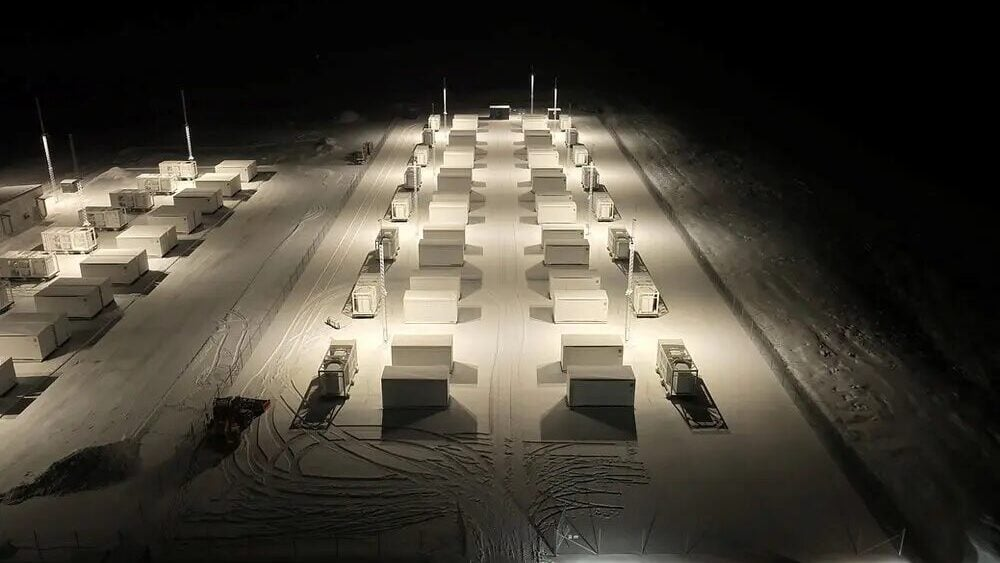
Netel has secured a contract worth more than SEK32m from E.ON Energidistribution to build a new transformer station at Bollstabruk, north of Kramfors in Sweden, with completion scheduled for 2029.
The announcement confirms the customer, location, contract value, and delivery date, but it does not disclose the station’s voltage levels, transformer rating, or detailed equipment scope. Those specifications should therefore remain open until E.ON or Netel publishes further project information rather than being inferred from other stations in the utility’s network.
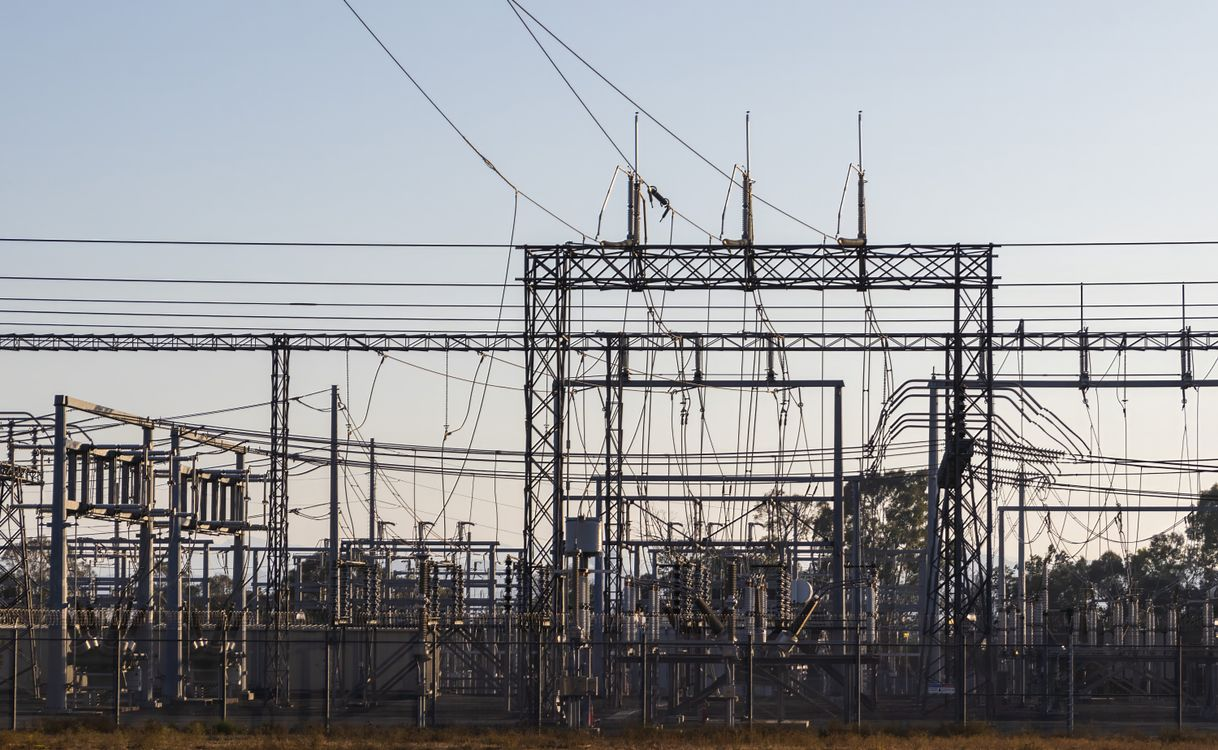
A transformer station links parts of an electricity network operating at different voltage levels and provides the switching, protection, measurement, and control functions needed to move power safely between them. Depending on its position in the network, a station can feed local distribution circuits, connect regional network assets, or replace infrastructure that no longer has enough capacity for changing power flows.
The transformer is only one element of that arrangement. A completed station normally also requires switchgear, circuit breakers, busbars, instrument transformers, protection relays, metering, auxiliary supplies, control systems, communications, and earthing, together with civil structures, foundations, and cable or line interfaces. The precise mix at Bollstabruk has not yet been disclosed.
Protection coordination is central to station design because faults must be isolated rapidly without unnecessarily disconnecting healthy parts of the system. Relays monitor electrical conditions and command circuit breakers when defined thresholds are exceeded, while settings have to coordinate with devices elsewhere in the network so that the closest appropriate protection operates first.
Control and communications increasingly sit alongside those conventional electrical functions. E.ON says it is investing in remotely controlled network stations so operators can reconfigure parts of its Swedish grid and respond more quickly to faults. Remote operation cannot remove the need for physical redundancy and maintenance, but it can shorten restoration times where alternative network routes are available.
E.ON is investing SEK27bn in its Swedish electricity networks between 2024 and 2027. The utility says the programme is intended to strengthen reliability and prepare the network for future demand, with investment spread across urban areas and extensive rural networks. The Bollstabruk contract sits within that wider period of network renewal, although E.ON has not tied the individual project to a specific capacity increase.
Sweden’s geography adds another constraint to distribution investment. Rural networks cover long distances while spreading fixed infrastructure costs across fewer customers than dense urban systems. Station and line renewal therefore has to balance reliability, capacity, and lifecycle cost across very different operating environments.
Electrification is also changing the load profile seen by distribution networks. New industrial connections, electric transport, heat loads, renewable generation, and storage can increase both the amount of electricity moving through the system and the variability of those flows. Equipment originally selected for relatively predictable one way demand may face different loading patterns as local generation and new consumption are added.
A new transformer station can address part of that challenge by providing additional or replacement transformation capacity and modern protection and control infrastructure. Increasing the capability of one station does not automatically resolve constraints elsewhere. Upstream lines, downstream feeders, neighbouring stations, and protection schemes all have to remain within their own operating limits.
Delivery to 2029 also reflects the longer timescales associated with major network projects. E.ON’s network development plan says construction of a new regional network station can take around three to five years under current conditions, with the wider process including network studies, preliminary design, detailed engineering, procurement, construction, and commissioning.
Those phases are interdependent. Equipment procurement has to align with civil works and outage planning, while final energisation depends on protection testing, control system integration, and confirmation that the new station behaves correctly within the surrounding network. Existing customers still need continuity of supply while old and new equipment are changed over.
Netel works across power, telecommunications, and other critical infrastructure and reported revenue of SEK2.915bn in 2025. The company says it operates across the value chain from design through construction and maintenance, which gives the Bollstabruk award a direct fit with its power infrastructure business.
The contractor described the E.ON award as another transformer station commission from the utility, indicating an existing relationship without identifying comparable projects in the current release. No additional technical claims have therefore been attached to Bollstabruk on the basis of earlier work.
The next useful disclosure will be the station’s actual electrical specification. Voltage level, transformer capacity, switchgear configuration, and connection scope will determine whether the project is principally a capacity reinforcement, replacement programme, or wider network reconfiguration. Until those details emerge, the confirmed development is the award of a contract worth more than SEK32m with completion due in 2029.