IN Brief:
- Umbrella Global Energy has expanded Pamesa Net Zero by €11.6m, adding 6.71MWp of solar generation and 51MWh of battery storage.
- Turbo Energy has secured €6.83m of additional equipment and software orders within the expanded programme, with deliveries expected in the first half of 2027.
- Three industrial sites had 62.5MWh of operational storage by 7 October 2026, while further installations remained in development.
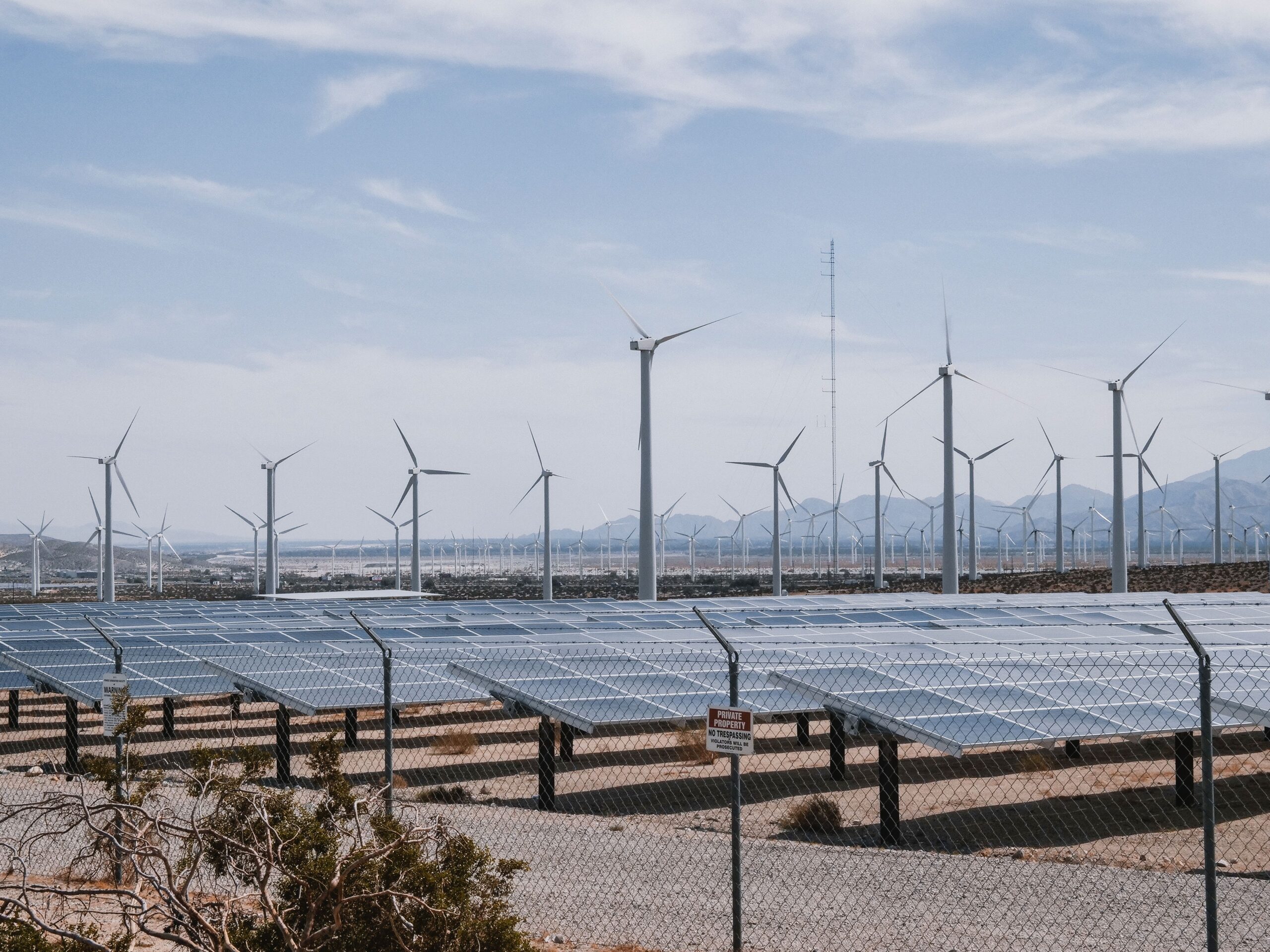
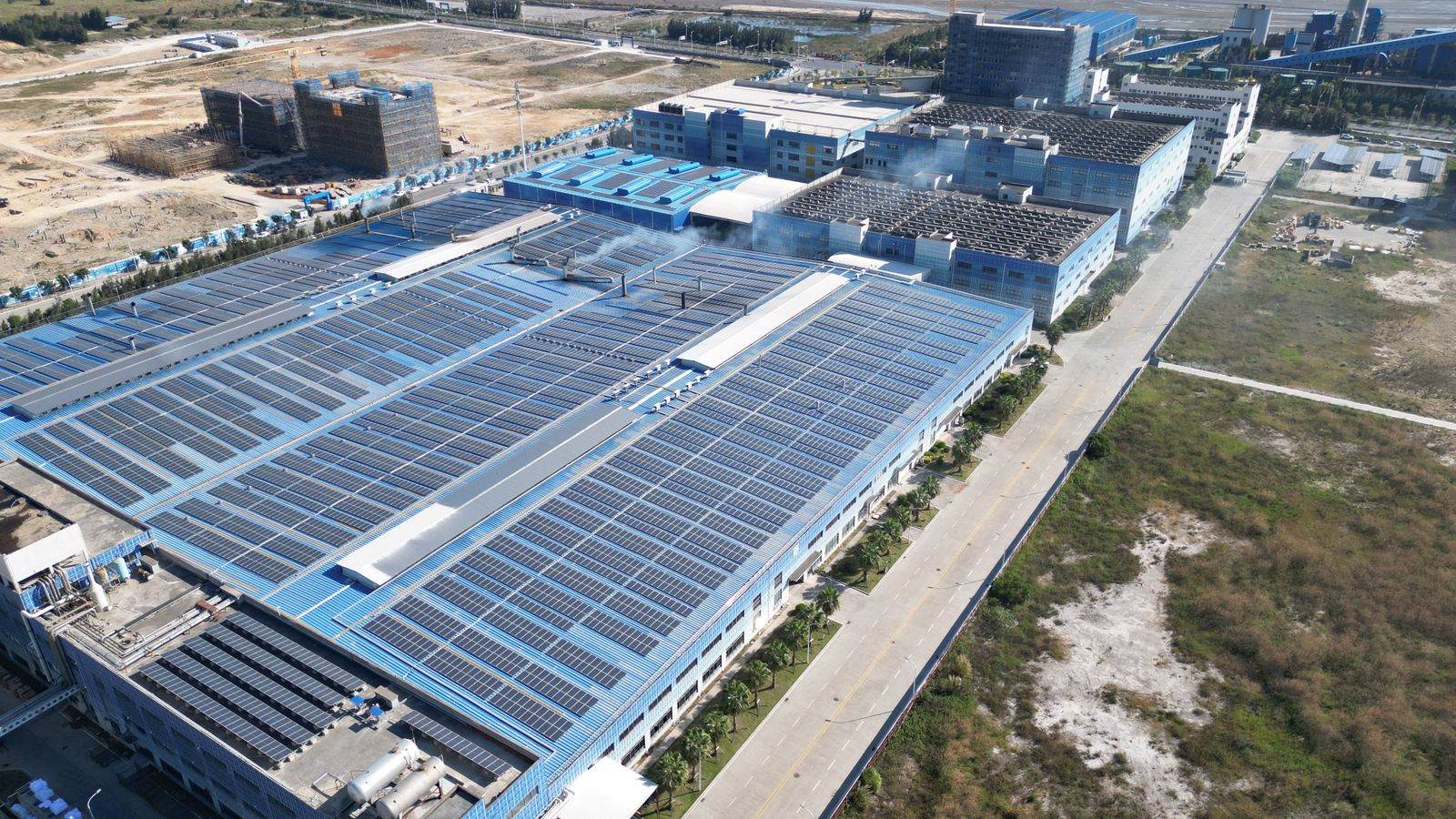
Umbrella Global Energy has agreed an €11.6m expansion of its industrial solar and battery storage programme with Spanish ceramics manufacturer Pamesa Grupo Empresarial. The additional works will provide 6.71MWp of photovoltaic generation and 51MWh of battery storage, extending the integration of on-site electricity production, energy management software and electrical infrastructure across the manufacturer's factories.
The agreement forms the second phase of Pamesa Net Zero, an industrial energy programme launched in 2025. Umbrella's subsidiary IM2 Energía Solar is responsible for engineering and integrating the electrical infrastructure, while fellow group company Turbo Energy supplies battery storage technology, inverters and software used to coordinate the participating installations.
The expansion covers two additional industrial locations and capacity increases at existing sites. It builds on an initial €73.6m agreement for the design, supply, construction and commissioning of photovoltaic installations totalling 80.56MWp and battery storage capacity of 366.84MWh.
The original programme remains under development. As of 7 October 2026, three industrial sites had 62.5MWh of operational storage, with other installations at different stages of implementation. The new contract therefore extends an infrastructure programme whose originally planned generation and storage capacity has not yet entered full operation.
Turbo Energy has separately disclosed €6.83m of additional orders associated with the expanded project, equivalent to approximately $7.62m. These cover batteries, inverters, energy management software and integration services, with equipment deliveries expected during the first half of 2027.
The €6.83m represents contracted business attributable to Turbo Energy within the Pamesa programme and should not be added to Umbrella's €11.6m expansion as though it were an unrelated investment. Turbo Energy has also specified that the orders do not represent revenue recognised in a single reporting period.
Pamesa operates in the electricity-intensive ceramics industry, where production processes create substantial energy requirements. Electricity consumption varies with operating schedules and individual manufacturing activities, while photovoltaic generation changes according to sunlight and weather conditions.
Integrating battery storage allows part of the electricity produced on site to be used at a different time from its generation. Batteries can charge when solar electricity is available and discharge later, reducing the amount purchased from the grid during selected periods, subject to their available capacity and operating limits.
The arrangement requires coordinated control because solar generation and factory demand do not necessarily coincide. An installation producing more electricity than its immediate consumption can potentially store part of that output, provided that the battery has sufficient remaining charging capacity and the electrical system is configured to transfer the power.
When consumption exceeds solar generation, storage can supply part of the difference if adequate energy remains available. Battery discharge is limited by the power conversion equipment, the system's state of charge, and the restrictions imposed by its operating and protection systems.
Turbo Energy's software began operating within Pamesa Net Zero in July 2026. It coordinates electricity generation, battery storage, grid imports and industrial demand, using forecasts and operating data to determine suitable charging and discharging schedules.
The company's control approach incorporates predicted solar output, expected factory consumption, electricity prices and battery availability. These inputs allow the system to assess whether energy should be stored for later use or discharged to meet demand during a particular period.
Commercial decisions must operate within the installation's technical limits. Charging a battery during a period of low electricity prices may reduce the cost of subsequent consumption, but the schedule must also account for available solar generation, charging efficiency, storage capacity and the requirements of the factory.
The same battery cannot simultaneously provide its full rated output for every possible service. Discharging to reduce grid imports changes the energy available for later use, while maintaining sufficient charge for backup operation may restrict the amount that can be dispatched for routine energy management.
The expansion includes inverters with backup functionality, enabling appropriately configured installations to supply designated electrical loads during a grid outage. Umbrella has made clear that this capability depends on the equipment configuration, available photovoltaic generation, battery charge and connected demand.
Backup operation requires more than the ability to store electricity. Electrical switching, isolation and protection arrangements must prevent an installation from unintentionally energising an unavailable external network, while its power conversion systems must maintain a suitable supply to the loads selected for continued operation.
The duration of backup supply will depend on the available energy and the power drawn by the supported equipment. The additional 51MWh describes contracted energy storage capacity rather than a guaranteed output rating or a specified period of uninterrupted operation for each factory.
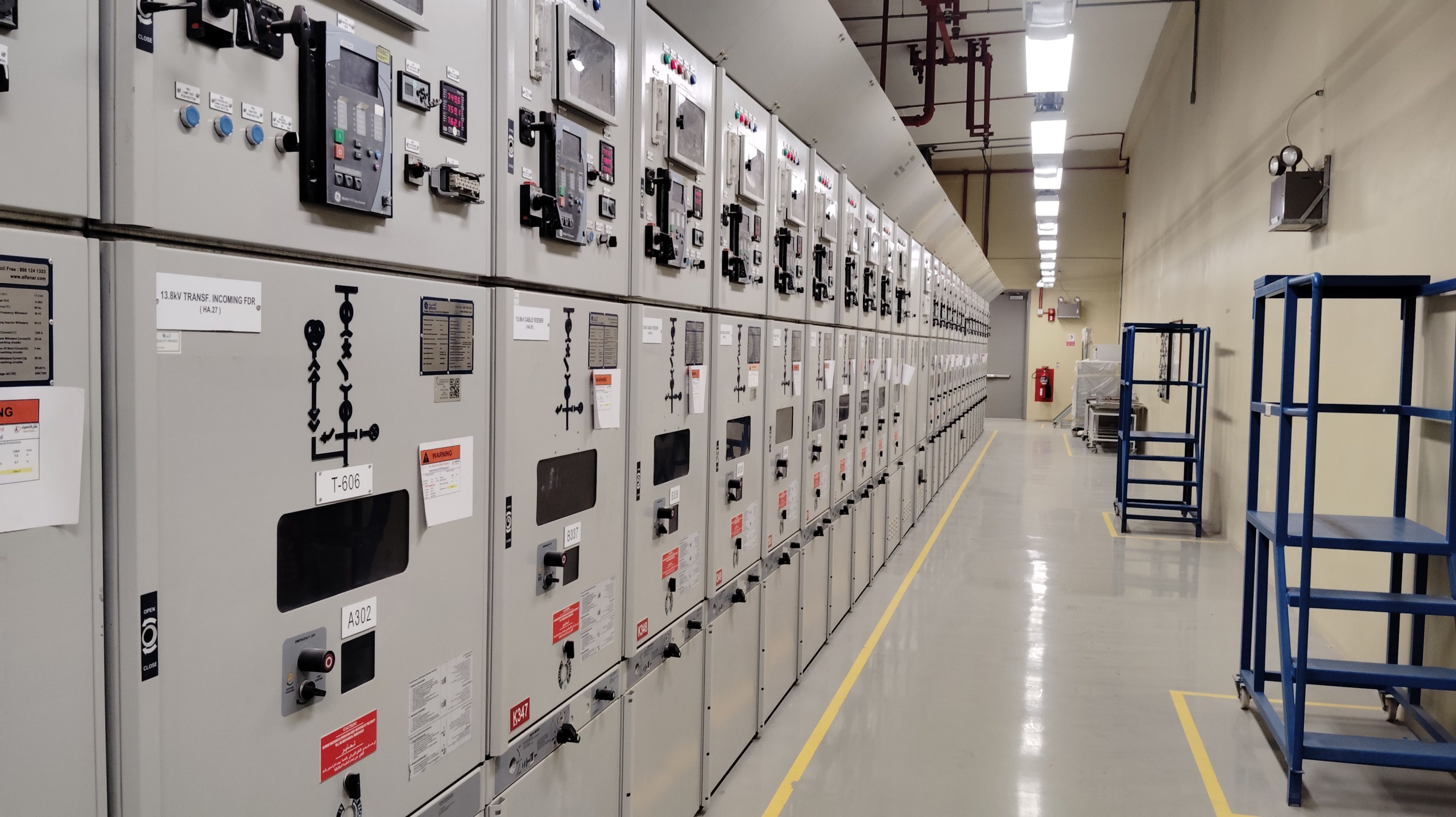
IM2's engineering work must integrate the photovoltaic systems, batteries and conversion equipment with the existing electrical infrastructure at each site. This includes assessing equipment ratings, available installation space, grid connection limits, transformer loading and protection requirements.
Different factories may require different equipment configurations and control schedules. Their electricity consumption, photovoltaic generation potential and operating priorities can vary, so software settings must be adapted to the technical characteristics of individual installations rather than applying one dispatch strategy across the entire portfolio.
The programme also introduces maintenance and monitoring requirements for a growing number of distributed electrical assets. Battery condition, inverter availability, energy flows and control system performance must be monitored alongside factory operation to maintain the intended functionality of the installations.
Umbrella has not published a consolidated commissioning timetable for all the additional solar and storage capacity. The initial programme's reported 62.5MWh of operational storage establishes progress to October, while the new Turbo Energy equipment orders are expected to be delivered during the first half of 2027.
The next delivery milestones will be the installation and commissioning of further photovoltaic and battery systems, followed by their integration into the energy management platform. The extent to which the completed infrastructure reduces electricity imports and operating costs will depend on each factory's consumption profile, the performance of the installed equipment and the conditions under which it operates.