IN Brief:
- HELLENiQ ENERGY plans more than €1bn of investment in Romanian renewable generation and battery storage by 2030.
- Its portfolio includes 211MW of installed solar capacity, a 96MW wind project, and further generation and storage developments.
- The company's 2030 ambition is to operate 1GW of renewable generating capacity and 500MW of battery storage power in Romania.
HELLENiQ ENERGY plans to invest more than €1bn in Romanian renewable electricity generation and battery storage by 2030, expanding its presence in the country's power infrastructure market. The Greek energy group has assembled a Romanian development portfolio exceeding 800MW of renewable generation and 500MW of battery power, combining existing installations with projects under construction and further developments at different stages of preparation.
The investment programme was presented in Bucharest on 9 November, marking the formal launch of HELLENiQ Renewables Romania. The company is targeting 1GW of operational renewable generating capacity and 500MW of operational battery storage power in Romania by 2030, making the country its second-largest renewable energy growth market after Greece.
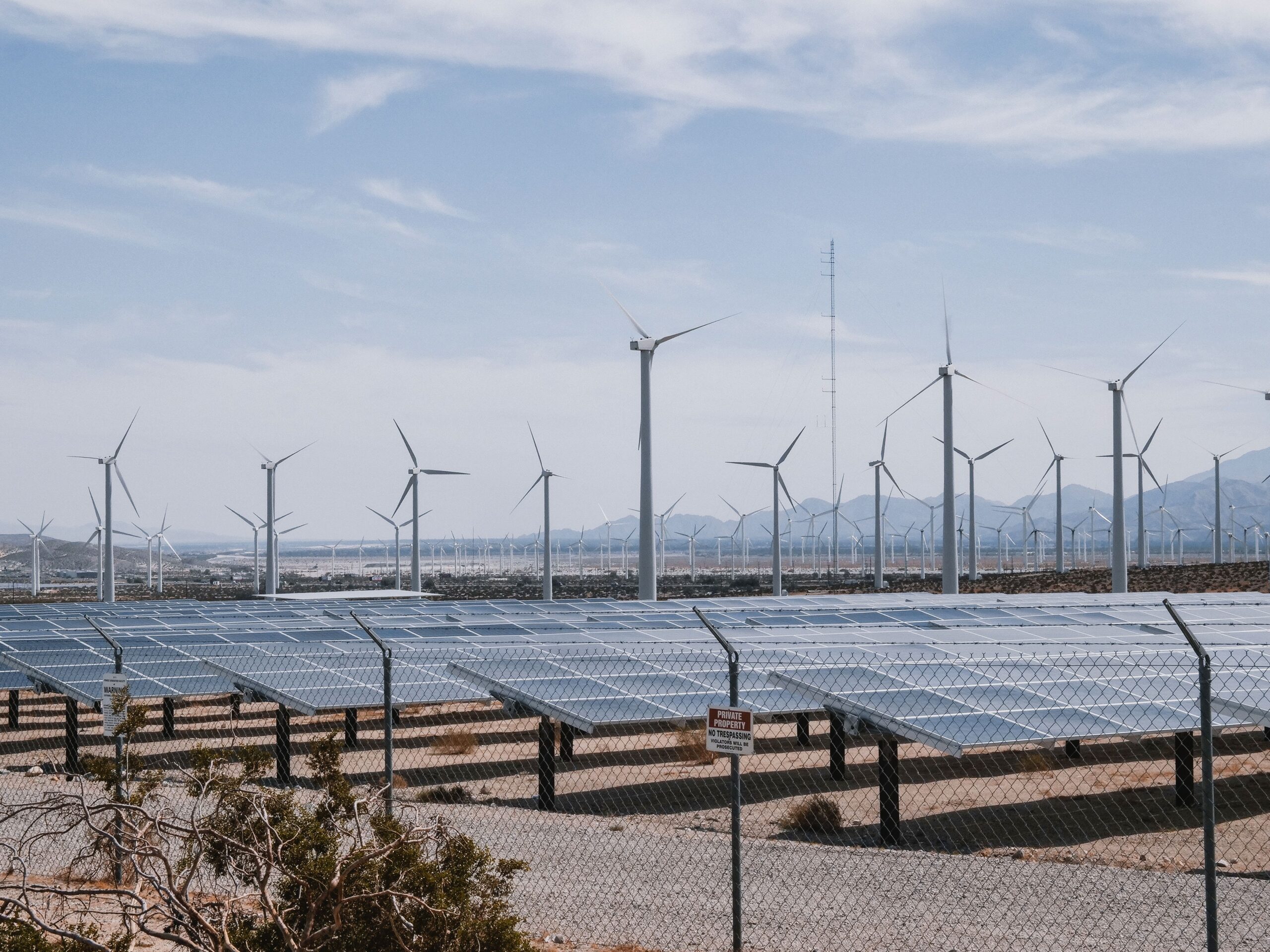
Four photovoltaic parks with a combined installed capacity of 211MW form the established solar portfolio. These facilities are located in Teleorman, Giurgiu, Olt and Dolj counties, with HELLENiQ estimating their combined annual electricity production to be equivalent to the consumption of more than 155,000 households.
The company's next identified wind generation milestone is a 96MW development in Galați County. Completion is scheduled for the second quarter of 2027, with HELLENiQ estimating annual production equivalent to the electricity consumption of more than 150,000 households. The project remains separate from the larger renewable and battery developments progressing through its Romanian pipeline.
Additional mature wind and solar projects account for more than 500MW of renewable generating capacity, while the battery development programme exceeds 500MW of power capacity. The company has described its current Romanian production and storage portfolio as reaching approximately 1.3GW, although this includes projects that have not entered commercial operation.
That existing portfolio should be distinguished from the group's subsequent 2030 operating ambitions. HELLENiQ is targeting 1GW of renewable generation and 500MW of operational battery storage by that date, with the outcome depending on the progression of individual projects through financing, construction, grid connection and commissioning.
Battery storage forms a substantial part of the planned expansion because the electricity produced by solar and wind installations changes according to environmental conditions. Photovoltaic generation follows available solar irradiation, while wind turbines operate within the wind speed range and other technical limits established for their equipment.
The resulting output does not necessarily coincide with periods of maximum electricity demand. Battery installations can absorb electricity during selected charging periods and discharge later, allowing some power to be supplied at a different time from its original generation.
Such operation depends on the relationship between battery power capacity and stored energy. The 500MW figure identifies the combined power rating targeted for the Romanian storage portfolio, rather than the amount of electricity that could be stored. Energy capacity, measured in megawatt-hours, determines the duration for which batteries can sustain a given discharge rate.
HELLENiQ has not established a single energy-capacity figure for all the planned Romanian battery projects. Their eventual operating duration will depend on the equipment selected and the electrical and commercial requirements of individual developments.
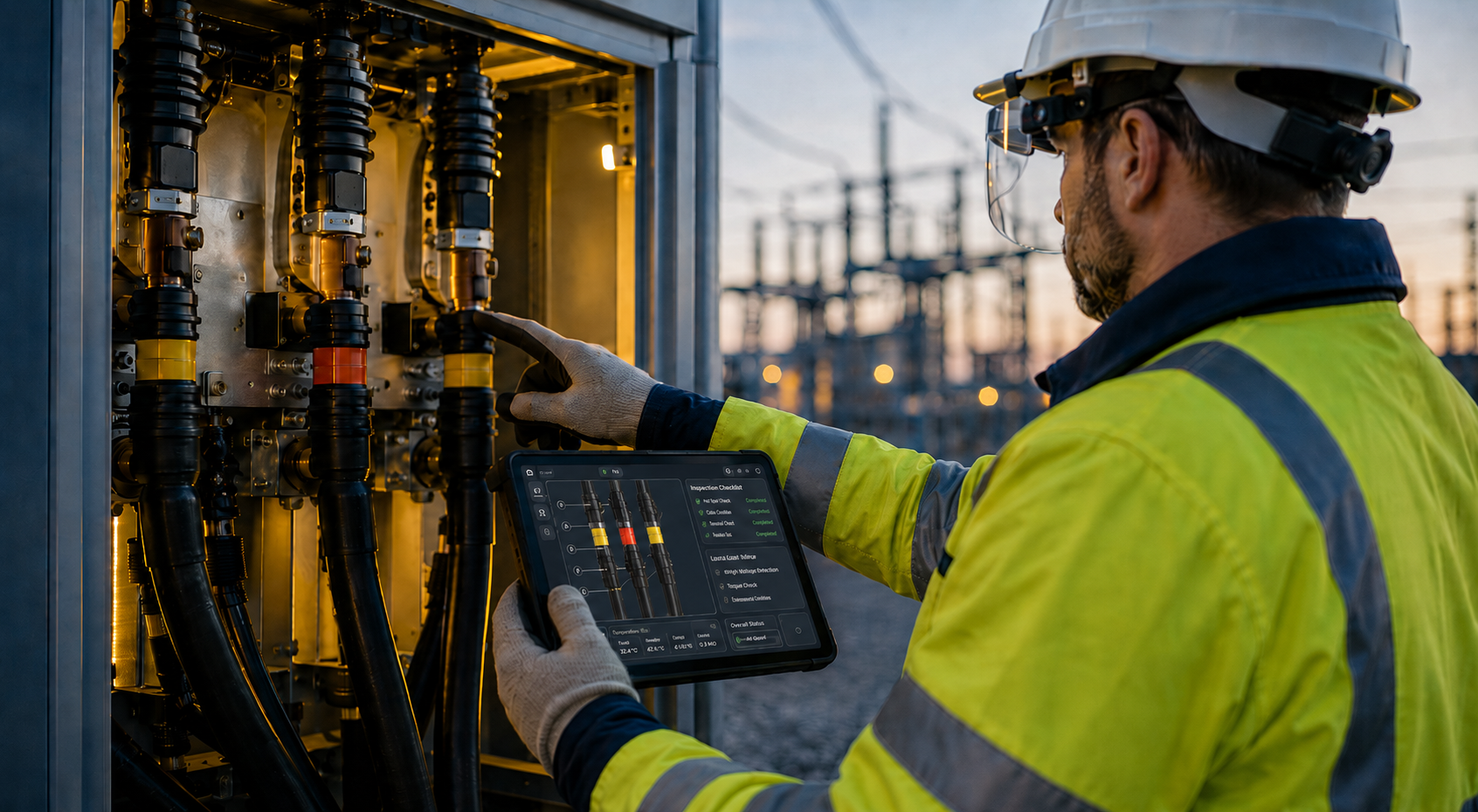
Battery systems also require bidirectional power conversion equipment to exchange electricity with the alternating-current network. Inverters, transformers, protection systems and plant controls must operate together to manage charging, discharging and network operating requirements while maintaining battery operation within permitted limits.
Where batteries are developed alongside renewable generation, their electrical configuration will influence how much power can be exported through a shared connection. A site's transformer and export circuit ratings may restrict simultaneous generation and battery discharge, requiring coordinated controls to keep electricity flows within the permitted network capacity.
Storage may also participate in electricity balancing and other flexibility arrangements where its technical capabilities and market access permit. Response characteristics, available energy, connection requirements and operating restrictions determine which services a particular battery installation can provide.
HELLENiQ has identified greater grid flexibility and renewable energy integration among the objectives of its Romanian programme. The projects will nevertheless require suitable network connections, with each installation subject to the electrical capacity and technical conditions available at its proposed location.
The broader investment programme involves a combination of generation technologies and development stages. Projects with installed equipment have different remaining requirements from those awaiting construction or grid connection. Engineering specifications, procurement commitments and commissioning dates must therefore be established individually rather than inferred from the aggregate portfolio capacity.
Construction of the 96MW Galați wind farm provides a more immediate delivery milestone. Its electrical infrastructure will need to connect individual turbine generators through a collection network, transforming and transferring their output to the receiving electricity system. Associated protection and control equipment must satisfy the conditions of the grid connection.
HELLENiQ has also arranged a power purchase agreement with Ahold Delhaize covering more than half of the wind farm's anticipated generation. The commercial agreement provides a route for selling electricity, although physical output will depend on wind conditions and the completion of the generating and network infrastructure.
The company is pursuing further investment across southeastern Europe as it expands beyond its established energy operations. Across five countries, its renewable energy business has more than 800MW of capacity in its operating portfolio, with a group ambition to exceed 2GW of installed renewable generation by 2030.
Total group investment in renewables and storage is expected to exceed €2bn by the end of the decade. The Romanian programme accounts for more than €1bn of that planned expenditure and is expected to contribute substantially to HELLENiQ's regional generation and flexibility capacity.
The pace of development will depend on the acquisition and construction of equipment, the availability of grid connections and the commercial arrangements required for individual projects. Renewable generation and storage can be combined within an investment portfolio, but their physical delivery and operating requirements remain distinct.
The next stated construction milestone is completion of the Galați wind development in the second quarter of 2027. Further project decisions will establish how quickly the additional solar, wind and battery capacity progresses towards HELLENiQ's operational targets for 2030.