IN Brief:
- Ampt's 80kW Battery Converter supplies regulated 800V DC power and is designed to respond to GPU load changes in less than one millisecond.
- Individual 2U modules can be connected in parallel, using a battery-connected DC bus operating between 1,100V and 1,500V.
- Partner pilots are underway, with general availability planned for Q3 2027; grid capacity and efficiency benefits remain manufacturer claims.
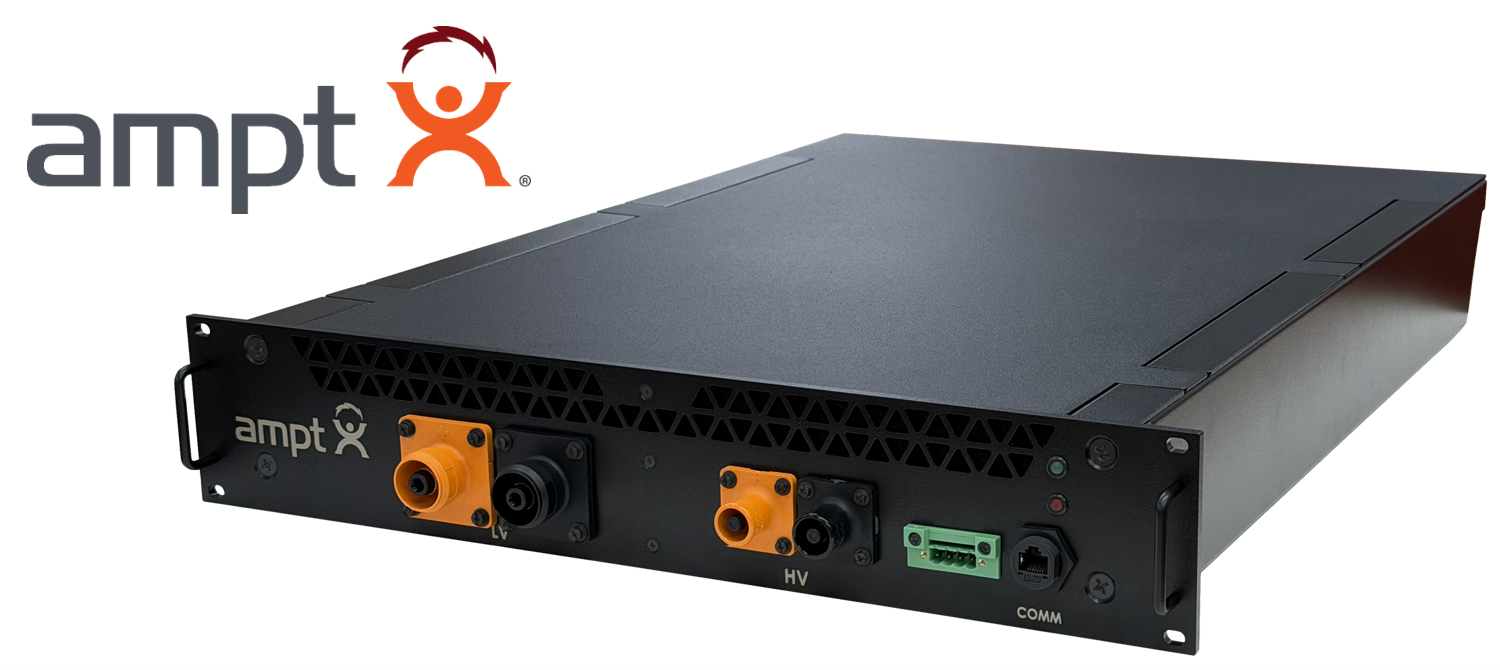
Ampt has introduced an 80kW battery converter designed to regulate 800V DC electricity supplies for high-density AI data centres, using battery storage to absorb rapid changes in graphics processing unit demand. The Colorado-based manufacturer says its new rack-mounted system responds to load changes in less than one millisecond, allowing computing equipment to receive a regulated supply while limiting fluctuations in the power drawn from upstream infrastructure.
The Battery Converter delivers 100A at 800V DC from a compact 2U module, with multiple units connected in parallel to supply individual racks, rows or larger GPU clusters. Ampt is conducting pilot deployments with data centre partners ahead of general availability in the third quarter of 2027. The manufacturer specifies peak conversion efficiency of up to 99.2%.
The equipment addresses an emerging electrical challenge in AI computing facilities. GPU workloads can change their power consumption rapidly as processing activity varies, creating short-duration demand peaks that must be accommodated by the electrical supply. Ampt says rack demand can move between approximately 30% and 100% of maximum power within milliseconds, introducing a different operating profile from many conventional facility loads.
Without sufficient local power buffering, upstream equipment must be capable of accommodating those variations or be operated with additional headroom. High-density computing facilities can consequently have a substantial difference between average demand and instantaneous peak consumption, affecting the specification of transformers, power conversion systems, distribution equipment and the grid connection.
Ampt's proposed architecture separates fast-changing GPU demand from the power drawn through the facility's electricity connection. The grid supplies a shared DC bus through a medium-voltage transformer and power conversion system, while battery storage and any compatible on-site generation are also connected to the bus. Individual Battery Converters then regulate the supply delivered to the computing racks.
When GPU demand increases sharply, the battery-connected system is designed to provide the additional power needed at the DC bus. During periods of lower demand, the wider system can reduce discharge or recharge the batteries according to the available capacity and control settings. The converter maintains the specified rack voltage while the upstream power system manages the changing balance between supply and consumption.
This arrangement is intended to reduce the instantaneous variations experienced at the grid connection. Ampt argues that the resulting power profile could allow facilities to support more computing equipment within an existing connection or specify upstream infrastructure closer to average demand rather than the full short-duration peak.
The achievable reduction depends on the complete storage system. Battery discharge power, usable energy capacity, state of charge, converter availability and the duration of high computing demand all determine how long a battery can buffer the difference between grid supply and rack consumption. A sub-millisecond converter response does not itself establish the amount of grid capacity that can be released.
The Battery Converter accepts a variable DC bus voltage between 1,100V and 1,500V and delivers a regulated 800V output. The input voltage can change with battery operating conditions, while the downstream supply remains within the range required by the computing equipment. This allows storage to be integrated into a higher-voltage DC architecture without requiring the rack supply to follow changes in battery voltage.
Ampt also identifies conversion efficiency as a principal feature of the product. Its stated 99.2% peak efficiency is attributed to a switching design using MOSFET devices rather than the IGBT-based approach commonly used in larger converters. The figure applies to the converter under its specified peak-efficiency conditions, not to the efficiency of the entire electricity supply chain.
Overall performance must also account for losses in transformers, upstream conversion equipment, batteries, conductors and rack electronics. Operating efficiency will vary with loading and equipment configuration, while battery charging and discharging introduce additional energy losses. The company has not published independently verified results from a complete commercial AI data centre installation using the new product.
Using higher DC distribution voltages reduces the current required to transfer a given amount of power. Because resistive conductor losses increase with the square of current, lower current can reduce heating losses or support alternative conductor dimensions, provided that insulation, thermal ratings and electrical protection remain appropriate.
The converter has been developed alongside the industry's planned transition towards 800V DC power distribution. NVIDIA has outlined an architecture intended to support AI computing racks requiring 1MW or more, beginning in 2027, with potential end-to-end efficiency improvements of up to 5% compared with existing 54V systems. Those figures relate to NVIDIA's wider architectural proposal and are separate from Ampt's product specifications.
Battery storage is also becoming part of the power system design for high-density computing. NVIDIA has described the need for different storage technologies to address variations occurring over different timescales, with rapidly responding equipment close to computing loads and larger batteries providing support over longer intervals.
Ampt's converter is intended to operate within such an integrated electrical arrangement. The company says that, where a suitable grid-forming power conversion system is installed, the connected battery can also contribute to voltage and frequency support at the grid interface. Those services depend on the capabilities and controls of the wider installation rather than the rack converter operating independently.
The modular design allows operators to increase installed converter capacity by adding 80kW units. Ampt also describes N+1 redundancy, in which sufficient spare conversion capacity is installed to maintain the required output if one module becomes unavailable. The number of spare modules necessary depends on the total load and the equipment ratings selected for the installation.
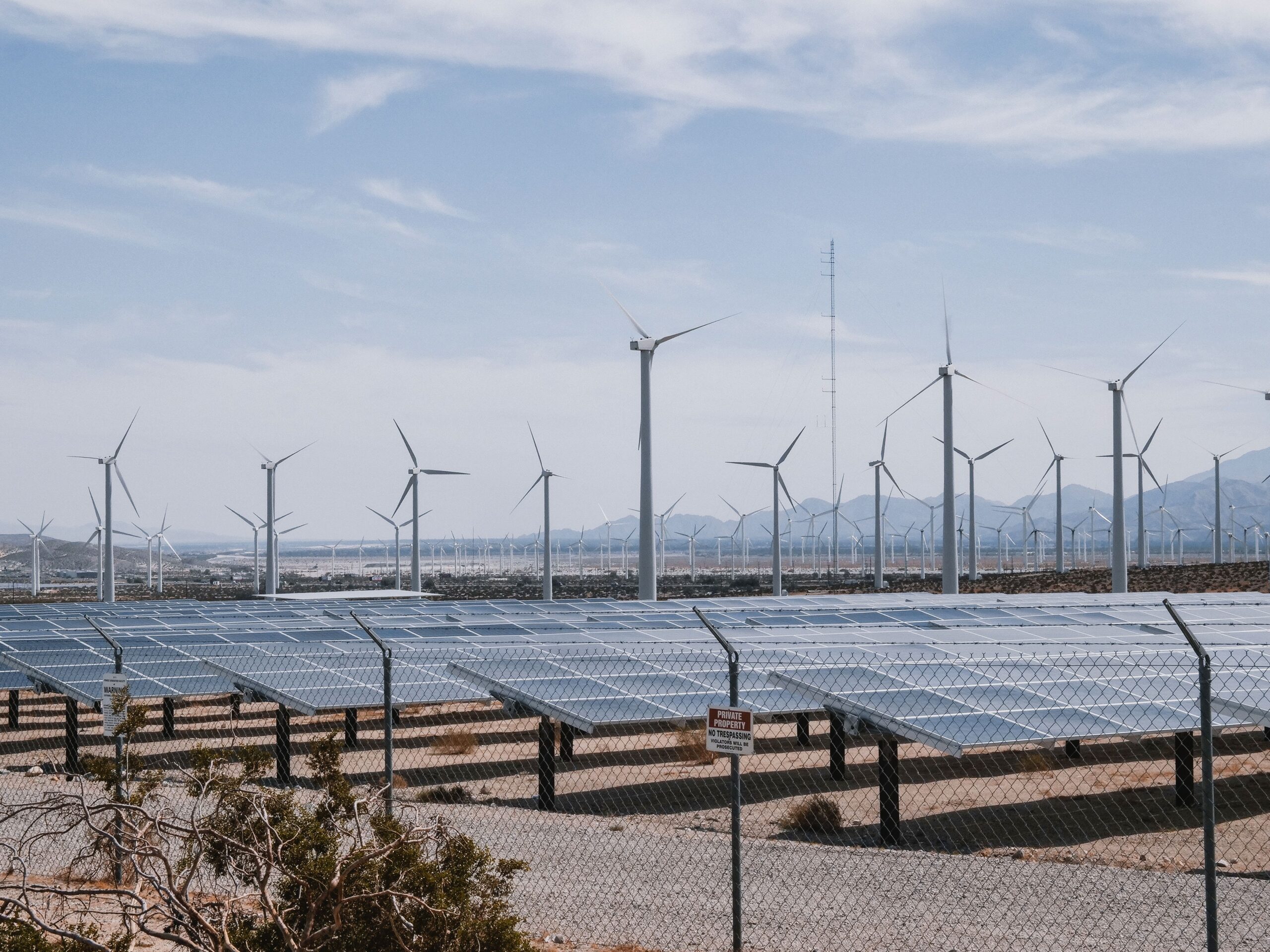
The converters incorporate a local web application for configuration and testing, alongside Modbus TCP communications for supervisory control and telemetry. Compatible solar installations can also be connected to the battery DC bus through Ampt String Optimizers, potentially avoiding a separate inverter and transformer for that generation connection.
Aaron Gomolak, chief executive of Ampt, said: "With the Ampt Battery Converter, the same battery gives the grid a steady load and the GPUs the fast-responding power they need." The company is positioning the equipment as a means of reducing the electrical infrastructure constraints that can restrict AI computing expansion.
The initial partner pilots will provide a basis for assessing converter response, equipment reliability and integrated operation under changing GPU workloads. General availability remains scheduled for the third quarter of 2027, with commercial performance dependent on how the converters, batteries and upstream electrical systems are engineered and operated together.