IN Brief:
- Enercon has signed a supply agreement with getproject for 29 onshore turbines representing approximately 193MW of installed generating capacity.
- The order comprises 24 E-175 EP5 E2, three E-160 EP5 E3, and two E-138 EP3 E3 turbines across three German districts.
- Implementation is planned to begin in 2028, while individual project commissioning dates and grid connection arrangements remain unconfirmed.
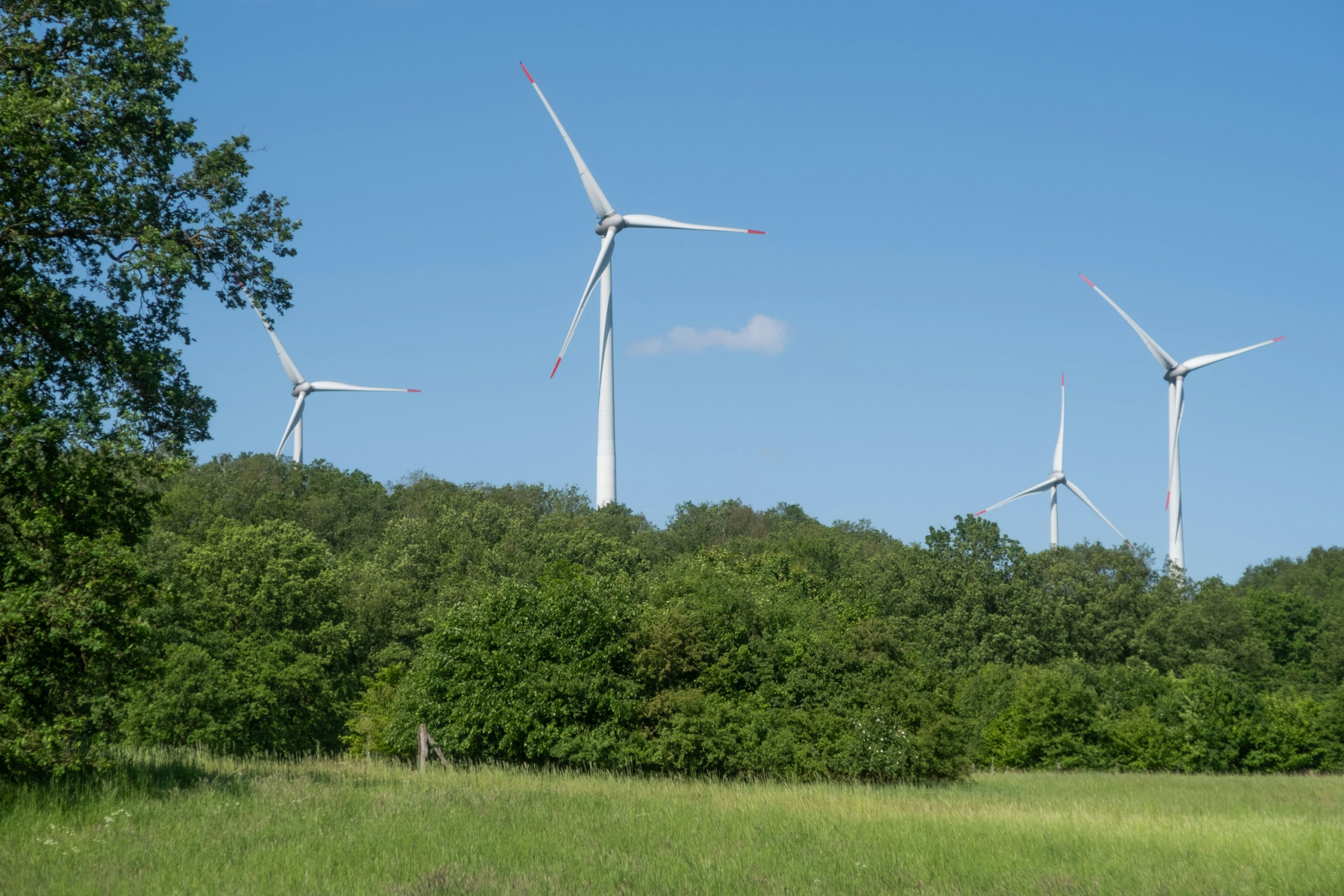
Enercon has signed a turbine supply agreement with German renewable energy developer getproject covering 29 onshore wind turbines with a combined nominal generating capacity of approximately 193MW. The machines will be deployed across projects in the districts of Gifhorn, Uelzen, and Elbe-Elster, with implementation scheduled to begin in 2028.
The order comprises 24 E-175 EP5 E2 turbines, three E-160 EP5 E3 machines, and two E-138 EP3 E3 units. Enercon's largest onshore turbine platform accounts for most of the contracted generating capacity, while the smaller models provide different rotor dimensions and electrical ratings for the remaining installations.
Using the manufacturer's published nominal ratings, the 24 E-175 machines represent 168MW, the three E-160 units approximately 16.7MW, and the two E-138 machines approximately 8.5MW. The resulting total is around 193.2MW, consistent with the rounded 193MW capacity given for the agreement.
Enercon confirmed the order on 11 November, extending an established relationship with getproject. The developer has been active in German wind energy for more than 25 years, undertaking development and implementation activities across its project portfolio. Neither company has disclosed the financial value of the new supply agreement.
The E-175 EP5 E2 has a rotor diameter of 175m and a nominal power rating of 7MW. Enercon has developed the machine as its principal large onshore turbine, combining a substantial rotor swept area with a power rating intended for contemporary utility-scale wind projects.
Its selection accounts for 24 of the 29 turbines in the contract. The remaining equipment comprises the E-160 EP5 E3, with a 160m rotor diameter and nominal rating of approximately 5.56MW, and the E-138 EP3 E3, which has a 138m rotor and a nominal rating of approximately 4.26MW.
The different specifications allow turbine selection to be matched to the requirements of individual developments. Wind conditions, permitted dimensions, site layout, access constraints, and structural design conditions can all affect the suitability of a particular turbine model.
Rotor diameter determines the area swept by the blades and therefore influences the amount of wind energy that can be captured. Increasing the rotor swept area can improve production at suitable sites, although the resulting output also depends on wind speed, turbulence, control settings, equipment availability, and environmental operating restrictions.
The turbine's nominal generating capacity describes its rated electrical output under defined conditions rather than the electricity delivered continuously throughout the year. Annual generation must be assessed against site-specific wind measurements, turbine performance characteristics, wake effects, and the availability of the installed equipment.
Enercon has not provided annual electricity production forecasts for the three development areas. The 193MW figure consequently represents installed equipment capacity, while the eventual contribution of the wind farms will depend on their operating conditions once commissioned.
Electrical integration will require the turbines to be connected through collection circuits and associated substation infrastructure. Wind turbine power conversion and control systems regulate the electrical output, while transformers provide the necessary voltage interfaces between individual machines, collection networks, and the external grid connection.
Each development must also satisfy the operating requirements of its connection agreement. Network operators assess the thermal capacity of connected equipment, voltage behaviour, fault conditions, and the ability of generating installations to comply with applicable protection and control requirements.
The total nominal output of the turbines does not independently establish the export capacity approved for each project. That will depend on the electrical configuration, connection conditions, and any restrictions associated with the receiving network.
Installation of the E-175 machines will involve transporting large rotor blades, tower sections, nacelle assemblies, and electrical components to their respective locations. The equipment must be assembled using foundations, lifting areas, and installation methods designed for the loads and dimensions involved.
Enercon has been expanding its heavy lifting capabilities, including through additional crane equipment for installing E-175 turbines. These resources form part of its wider construction and logistics arrangements, although the manufacturer has not confirmed which installation equipment will be allocated to the getproject developments.
Construction programmes must coordinate turbine deliveries with foundation readiness, site access, cable installation, and the availability of electrical infrastructure. The large dimensions of modern onshore turbines can also require specialist transport arrangements and detailed planning of the routes used to reach construction sites.
The agreement covers projects in three separate German districts, but Enercon has not published a breakdown assigning specific turbine quantities to each location. The resulting construction schedule will depend on the requirements of the individual sites and the sequence agreed between the manufacturer, developer, and relevant contractors.
Germany continues to expand its onshore wind generation fleet, with manufacturers responding through larger turbine platforms, higher generating capacities, and additional engineering and installation resources. The rate at which new equipment enters operation remains dependent on the completion of project permissions, construction work, and network connections.
Getproject's order establishes the turbine models and aggregate generating capacity for its latest developments. Implementation is expected to begin in 2028, with further project announcements required to confirm individual installation programmes, commissioning dates, and the electrical connections through which the new wind farms will supply the German grid.