IN Brief:
- Stillstrom tested automated cable handling with an ESVAGT vessel operating on dynamic positioning.
- The trial combined a 125-metre cable, RTK GPS position data, reel control, and vessel-side winch synchronisation.
- Integrated vessel testing and sea trials are planned as the system moves towards full qualification.
Stillstrom by Maersk has demonstrated automated cable control for its offshore vessel charging system, using a service vessel on dynamic positioning to test how a 125-metre charging connection responds as the vessel moves relative to a fixed offshore power source.
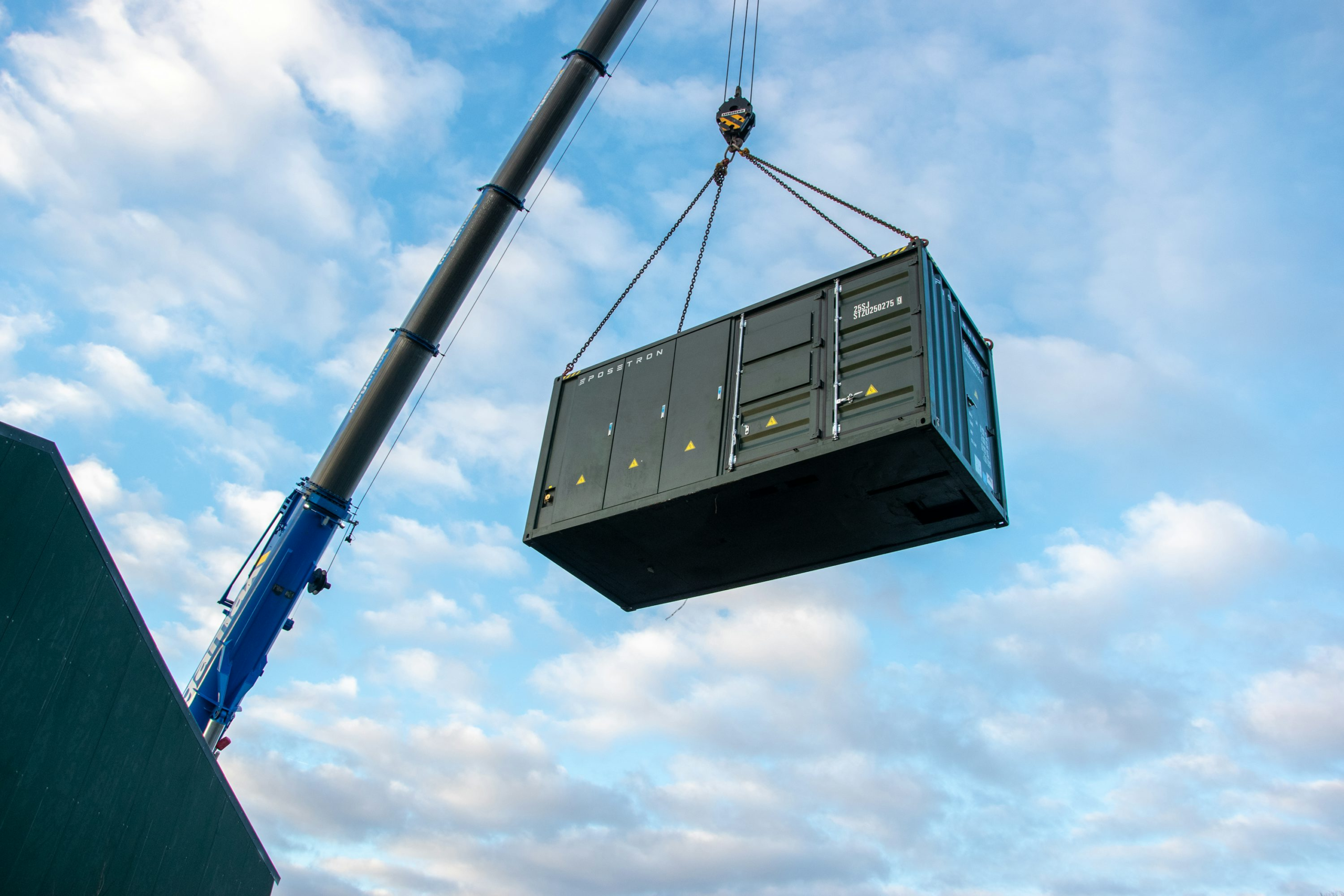
The trial was carried out with ESVAGT and Semco Maritime at Semco Maritime’s yard in Esbjerg, Denmark, and was witnessed by DNV as part of Stillstrom’s technology qualification process. The charging connector was deployed from a height of 15.5 metres, representing an installation on a wind turbine or offshore substation, while a tower-mounted reel managed the cable as the vessel altered its position.
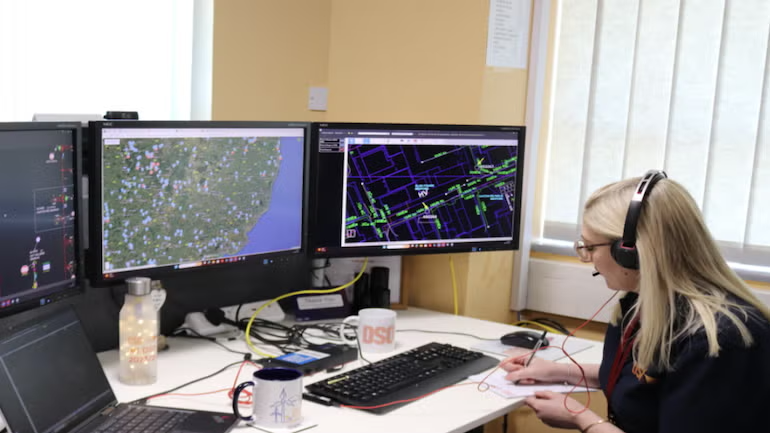
Rather than holding a fixed cable length, the control system automatically paid out additional cable as the vessel moved away and reeled it back as the vessel returned. Stillstrom used RTK GPS as the position reference and synchronised the tower-mounted reel with an electric pull-in winch installed on the vessel, while monitoring and logging functions recorded the behaviour of the system.
The demonstration addresses an awkward interface between marine operations and high-power electrical equipment. A vessel remaining on dynamic positioning is never completely stationary, while the charging cable has its own weight, bend limits, tension requirements, and operating envelope. Excessive slack can create an uncontrolled cable profile, whereas excessive tension can transfer loads into the connector, reel, vessel equipment, or supporting structure.
Cable handling moves into the control loop
Stillstrom’s offshore wind system is designed to place charging equipment on wind turbines, substations, or other fixed offshore structures. The company’s standard service operation vessel configuration is designed for charging capacities of up to 8MW, with connection, charging, and disconnection managed from the vessel and intended to support increasingly automated operation.
The electrical rating alone does not determine whether that system is practical at sea. Offshore wind service vessels can remain away from port for extended periods, so an offshore charger has to operate within the vessel’s maintenance schedule and weather limits without creating another labour-intensive marine operation every time batteries need replenishing.
Automated cable management is part of that requirement. The connection must accommodate vessel movement while maintaining a controlled cable shape, and the control system must coordinate information from the vessel and charging installation without allowing either side to act independently of the other.
The Esbjerg trial tested five elements: automated cable-control performance, RTK GPS as the position reference, synchronised line speed between the reel and vessel winch, monitoring and data collection through the user interface, and system behaviour under representative yard conditions. The next programme stage is expected to integrate the equipment more fully with a service operation vessel before progressing to a sea trial and final certification work.
That progression matters because the marine environment introduces conditions that cannot be reproduced completely onshore. Vessel heave, surge, wind, waves, changing separation distance, saltwater exposure, emergency disconnection requirements, and simultaneous electrical and marine safety procedures all have to be managed without losing control of the charging interface.
The work sits within the wider development of offshore vessel electrification, where battery capacity aboard the ship is only one part of the infrastructure problem. Electric and hybrid service vessels also require adequate port power, offshore charging capacity, workable duty cycles, certification, metering, and commercial arrangements that allow the electrical infrastructure to be used routinely rather than as a demonstration.
Offshore charging can reduce the need for a battery-powered vessel to return to port solely to replenish energy, particularly for service operation vessels based at a wind farm for longer periods. It can also allow operators to size onboard batteries around realistic duty cycles rather than the longest possible interval between shore visits, although the commercial balance will vary with vessel design and operating pattern.
Stillstrom’s programme is developing alongside its separate SPARK project, which is intended to demonstrate offshore power supply for stationary vessels. The Esbjerg trial has a narrower focus, concentrating on the moving electrical connection needed where a service vessel maintains position close to wind-farm infrastructure.
Qualification now moves from proving individual control functions towards testing the interface as a complete operating system. Cable movement, vessel position, electrical connection, human supervision, and fault response will have to work together under marine conditions before the technology can move beyond controlled demonstrations.
The yard trial establishes that the cable-control system can follow vessel movement over a representative 125-metre length. The planned integrated tests and sea trial will determine whether that behaviour remains repeatable once the equipment is exposed to the vessel motions and operating constraints it was designed to handle.