IN Brief:
- Acail comprises 28.3MWp of solar generation and 60.2MWh of battery storage.
- Felgueiras combines 39.9MWp of photovoltaic capacity with an 80.3MWh battery system.
- Both batteries can charge from the distribution network as well as operate alongside their associated solar plants.
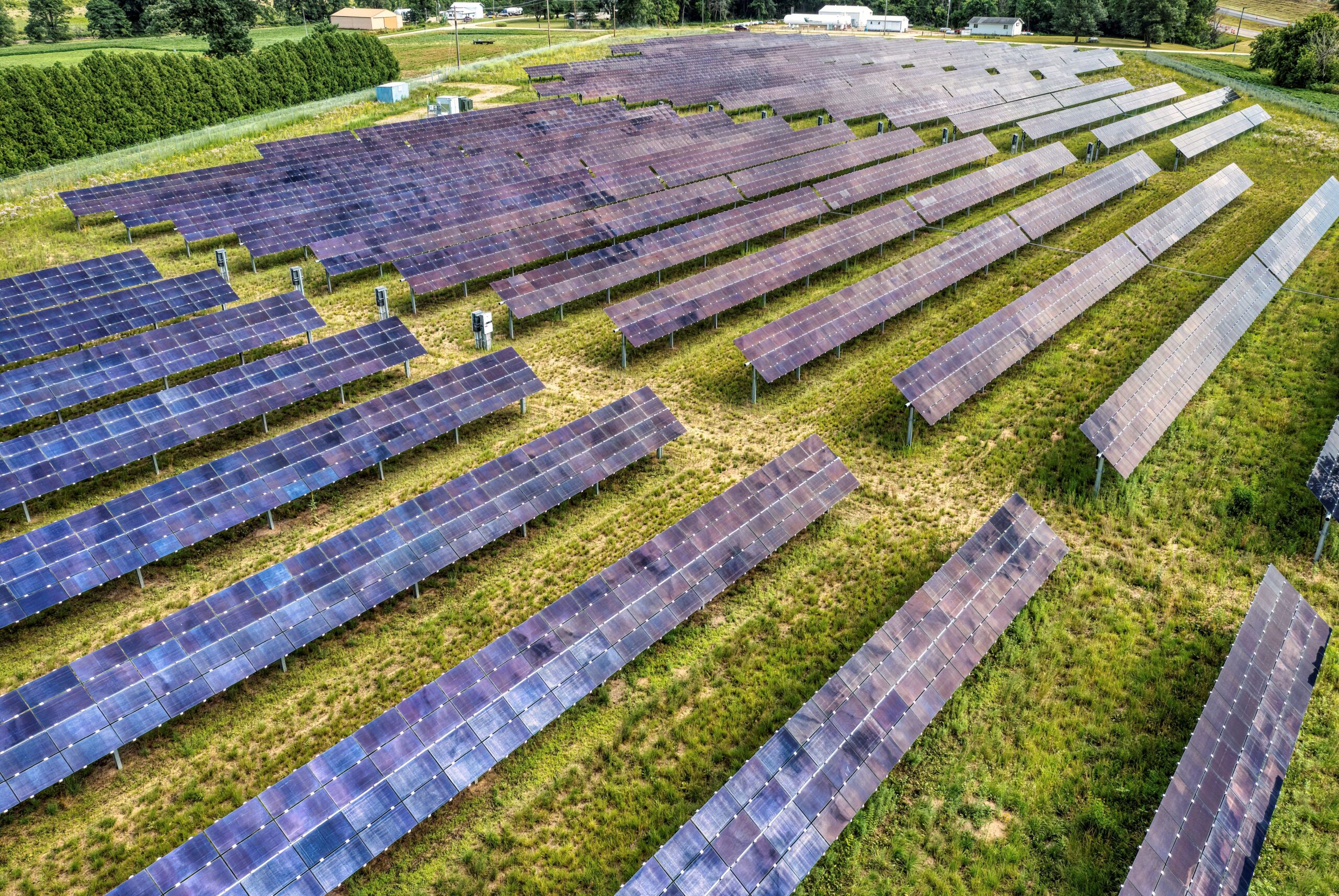
Sonnedix has started operating two hybrid solar and battery installations in northern Portugal, bringing a combined 68.2MWp of photovoltaic generation and 140.5MWh of battery storage into service.
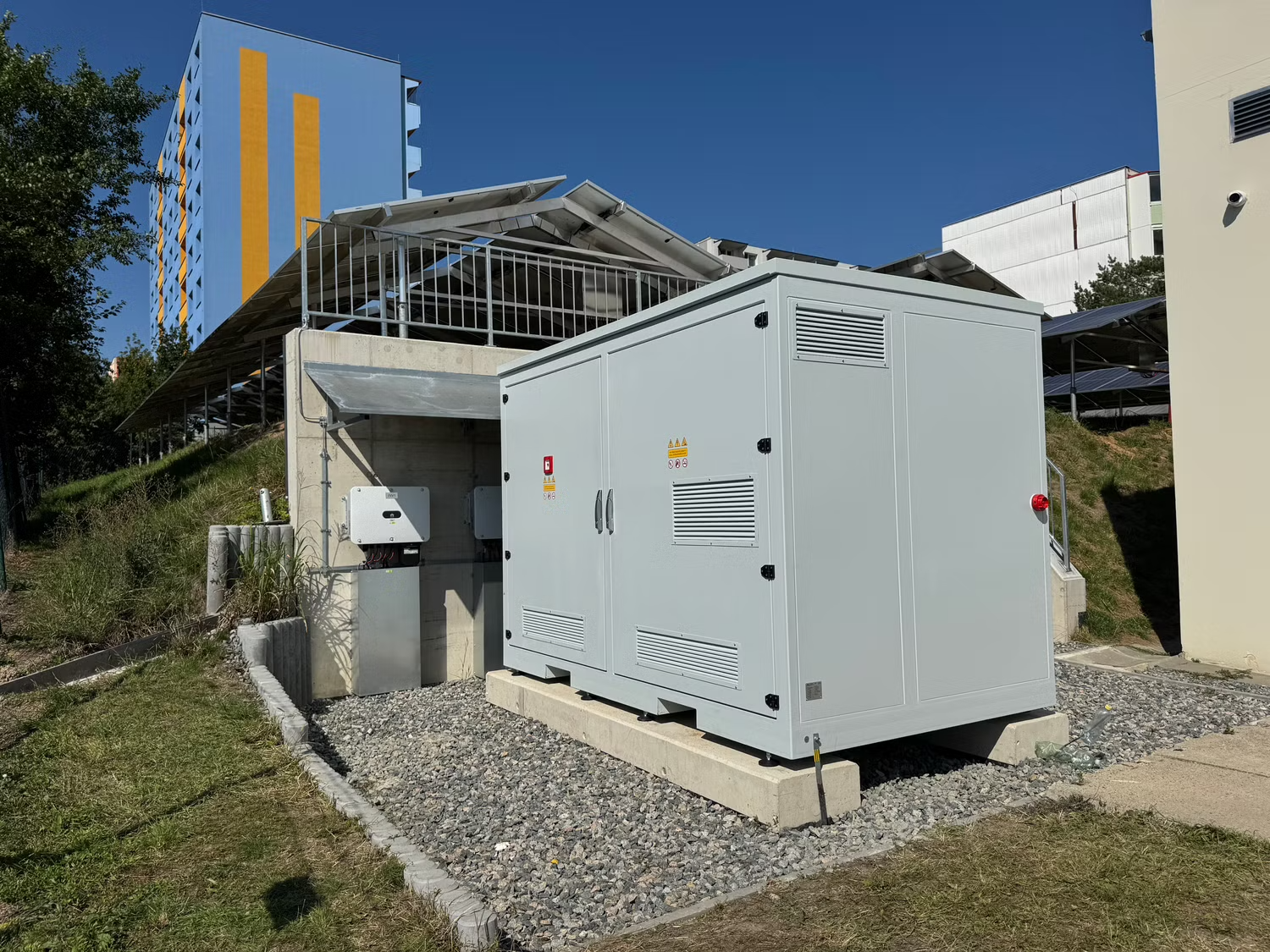
The Acail and Felgueiras developments are the company’s first operational large-scale hybrid solar and battery projects. Sonnedix also identifies them as the first installations of their type in Portugal operating with battery storage connected to the national electricity distribution network. Both are now functioning as integrated generating and storage assets, with their batteries capable of charging directly from the grid.
Acail comprises 28.3MWp of solar PV capacity and a 60.2MWh battery energy storage system. Felgueiras is the larger installation, combining 39.9MWp of photovoltaics with 80.3MWh of battery storage. The company developed both projects as hybrid facilities from the construction stage, rather than retrofitting batteries to established solar farms.
The storage installations occupy the same fenced areas as their associated photovoltaic equipment. Sonnedix says this arrangement allowed construction activities to be coordinated while avoiding additional land requirements for the batteries. The two technologies nevertheless perform different electrical functions, with the PV arrays converting sunlight into electricity and the batteries providing a means of storing energy for later use.
Solar generation follows changes in irradiance throughout the day, while the battery systems can be charged or discharged according to their operating limits and the instructions received from the plant controllers. This allows the combined installations to deliver electricity at times that differ from the periods of photovoltaic production, although the available duration and output depend on the battery ratings and state of charge.
The electrical distinction between the two technologies is reflected in their capacity figures. Solar capacity is expressed in megawatts peak, representing the rated output of the photovoltaic modules under standard test conditions. Battery energy capacity, expressed in megawatt-hours, indicates the quantity of electricity the storage system is designed to hold.
Earlier project financing information identified battery power ratings of 24MW at Acail and 32MW at Felgueiras. When combined with the newly confirmed energy capacities, these figures imply a nominal discharge duration of approximately 2.5 hours for each installation at its rated power. Actual usable duration depends on the permitted state-of-charge range, electrical losses and the operating conditions applied to the equipment.
The ability to charge from the electricity network extends the facilities’ operating options beyond storing their own solar production. Electricity can be imported when the battery’s operating strategy and connection arrangements permit, then discharged when required. This creates the potential to respond to wider electricity market conditions as well as changes in local photovoltaic output.
Grid charging also changes the responsibilities of the electrical control system. When a battery charges, it acts as a controllable electrical load; when it discharges, it becomes a generating source. Both operating modes must remain within the import and export limits established for the installation, including any restrictions associated with the distribution network connection.
The photovoltaic arrays and battery cells both produce or store direct current, while the connected distribution network operates using alternating current. Power conversion equipment provides the necessary interface, with inverters controlling electrical output and transformers adjusting voltage to the level required for connection.
Coordination between solar and battery inverters becomes particularly important when both technologies operate simultaneously. Strong solar generation combined with battery discharge could otherwise create a potential export exceeding the authorised connection capacity. Plant controllers can restrict the relevant equipment to maintain output within the agreed electrical limits.
The charging process introduces a corresponding requirement to manage imported power. Protection equipment, metering and control systems must accommodate electricity flowing in either direction through the connection. The precise configuration used at Acail and Felgueiras has not been disclosed, including the detailed operating services for which the batteries may be qualified.
Battery management systems monitor cell voltage, temperature and state of charge, helping maintain the storage equipment within its permitted operating range. These functions are separate from the higher-level controls responsible for determining when the battery should import or export electricity, although the systems exchange information to ensure dispatch instructions remain technically achievable.
Thermal management also affects battery availability and performance. Charging and discharging generate heat within electrochemical cells, making temperature regulation necessary to protect equipment and maintain suitable operating conditions. The amount of usable energy and the maximum discharge rate can be affected by temperature, equipment condition and the operating limits established by the manufacturer.
Sonnedix completed financing for the two projects in March 2026 through an arrangement with commercial banks. At that stage, the company expected the solar equipment to enter operation during the second quarter and the batteries during the third quarter. The October milestone confirms that both complete hybrid installations are now operating.
Financing and construction were coordinated around the combined facilities, with the company treating photovoltaic generation and battery storage as a connected development rather than separate investment projects. That structure allows the electrical connection, equipment layout and operating requirements to be addressed within a single project programme, although the commercial arrangements for generation and storage may still differ.
The company entered Portugal in 2022 and has expanded its renewable energy portfolio through development and acquisition. The newly operating facilities introduce large-scale batteries into that portfolio, complementing its existing photovoltaic generation assets and providing operational experience with integrated solar and storage systems.
Portugal’s electricity system has been incorporating increasing renewable generation, bringing greater variation in the timing of electricity production. Storage can absorb energy when charging conditions are favourable and return it later, but the contribution of an individual installation to balancing, congestion management or other network services depends on its technical capabilities and the arrangements under which it operates.
At Acail and Felgueiras, the confirmed operational configuration combines photovoltaic generation, battery storage and grid charging at both sites. The next measure of their performance will be the energy delivered through those operating arrangements, together with the availability and utilisation of the storage systems over time.