IN Brief:
- Around 150 schools and colleges will join the initial solar pilot.
- Standard PPA and land-lease templates apply to new estate projects.
- Roof condition, maintenance, tariffs, access, and exit terms require project-specific assessment.
The Department for Education is introducing standardised power-purchase and land-lease documentation through a pilot covering approximately 150 schools and colleges.
Forming part of the first phase of a wider £710m school renewal and retrofit programme, the initiative includes sites across Yorkshire and the Humber, the East Midlands, and the South East. Different building types and estate conditions will allow the model to be tested across a varied property portfolio.
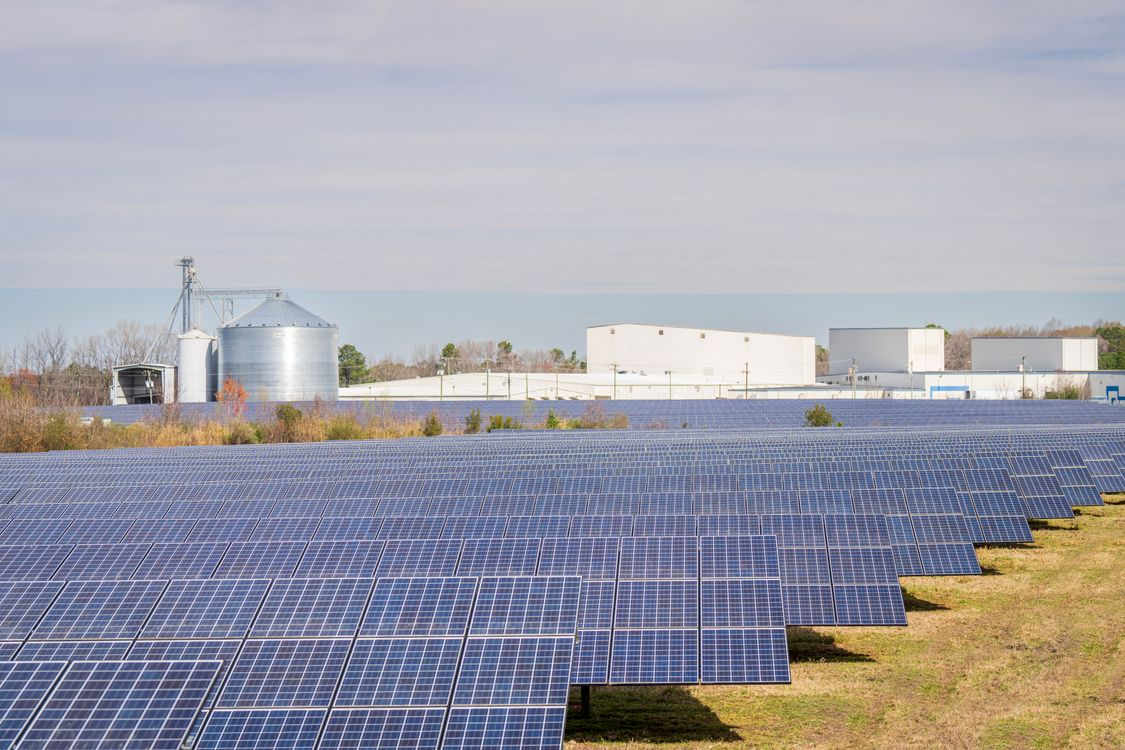
Private providers will finance, install, and operate photovoltaic systems, while participating institutions purchase electricity generated on site through long-term power-purchase agreements. The standard documentation is intended to establish a common contractual route across the education estate.
Applications received up to 15 July 2026 may continue under earlier arrangements, whereas new power-purchase agreements on the school estate from that date must use the Department for Education’s template.
The model is separate from the £180m public-sector solar commitment associated with Great British Energy, although both programmes contribute to wider deployment across schools and other publicly owned buildings.
Standard terms meet varied buildings
A common contract can reduce repeated legal drafting and create a more recognisable structure for schools, investors, installers, and funders. Technical and property conditions will still differ substantially between individual sites, particularly within an estate containing buildings of different ages, construction types, and maintenance histories.
Roof condition becomes a central consideration where a solar agreement may run for 15 to 25 years. Surveys must establish structural capacity, remaining roof life, access requirements, waterproofing condition, asbestos risk, fire performance, and whether planned refurbishment could conflict with the installation.
Where roof replacement becomes necessary before the agreement ends, responsibilities for removing, storing, and reinstalling the array must be defined. Warranty terms must also distinguish between defects in the original roof, damage associated with installation, and deterioration occurring later.
Electrical surveys will need to assess intake capacity, distribution boards, cable routes, metering, protection, earthing, isolation, and the proposed point of connection. Export limitations or distribution-network requirements may alter the design even where most generation is expected to be consumed on site.
Schools also have seasonal and time-dependent load profiles. Daytime solar output may align with occupied hours, but generation during weekends and holidays can exceed local demand, requiring export arrangements, storage, or more conservative system sizing.
Long-term operation requires clear responsibilities
Standard documentation must allocate responsibility for maintenance, performance monitoring, inverter replacement, insurance, access, health and safety, and continuing compliance. The provider may own the equipment, while the school or responsible body remains accountable for the building and controls access to the site.
Tariff provisions require equal precision because the initial power-purchase price does not determine value across the entire contract term. Indexation and review mechanisms will influence whether savings remain credible as grid prices, site demand, and operating costs change.
Financial models must also account for module degradation, inverter replacement, maintenance, and possible changes in building use. A site whose electrical demand falls substantially may consume less of the generated electricity than originally forecast.
Where third-party capital supports the installation, funder step-in rights can allow a replacement operator to assume control if the original provider defaults. Schools will need to understand how those rights affect access, termination, and the appointment of alternative service providers.
Early exit provisions become significant if a property is sold, closed, redeveloped, or substantially altered. Long-term solar agreements can create termination payments or transfer obligations, bringing estate planning and governance into the initial project assessment.
With UK solar installations now exceeding two million, the installed base requiring inspection, maintenance, repowering, and eventual decommissioning is already expanding rapidly.
Standardisation could support a larger school-solar pipeline by reducing procurement duplication and providing funders with a familiar contractual structure. Its success will depend on whether common terms remain sufficiently clear while allowing roof, electrical, property, and operational risks to be resolved before installation.
The pilot will provide evidence across around 150 institutions before any wider rollout. Its performance will be determined by the number of projects that proceed from agreement to safe installation and sustained operation.