IN Brief:
- RWE will repower its Rethen-Vordorf wind farm from 5.4MW to 21MW.
- The site will retain three turbines while increasing annual generation substantially.
- Construction will begin shortly, with commissioning expected by the end of 2027.
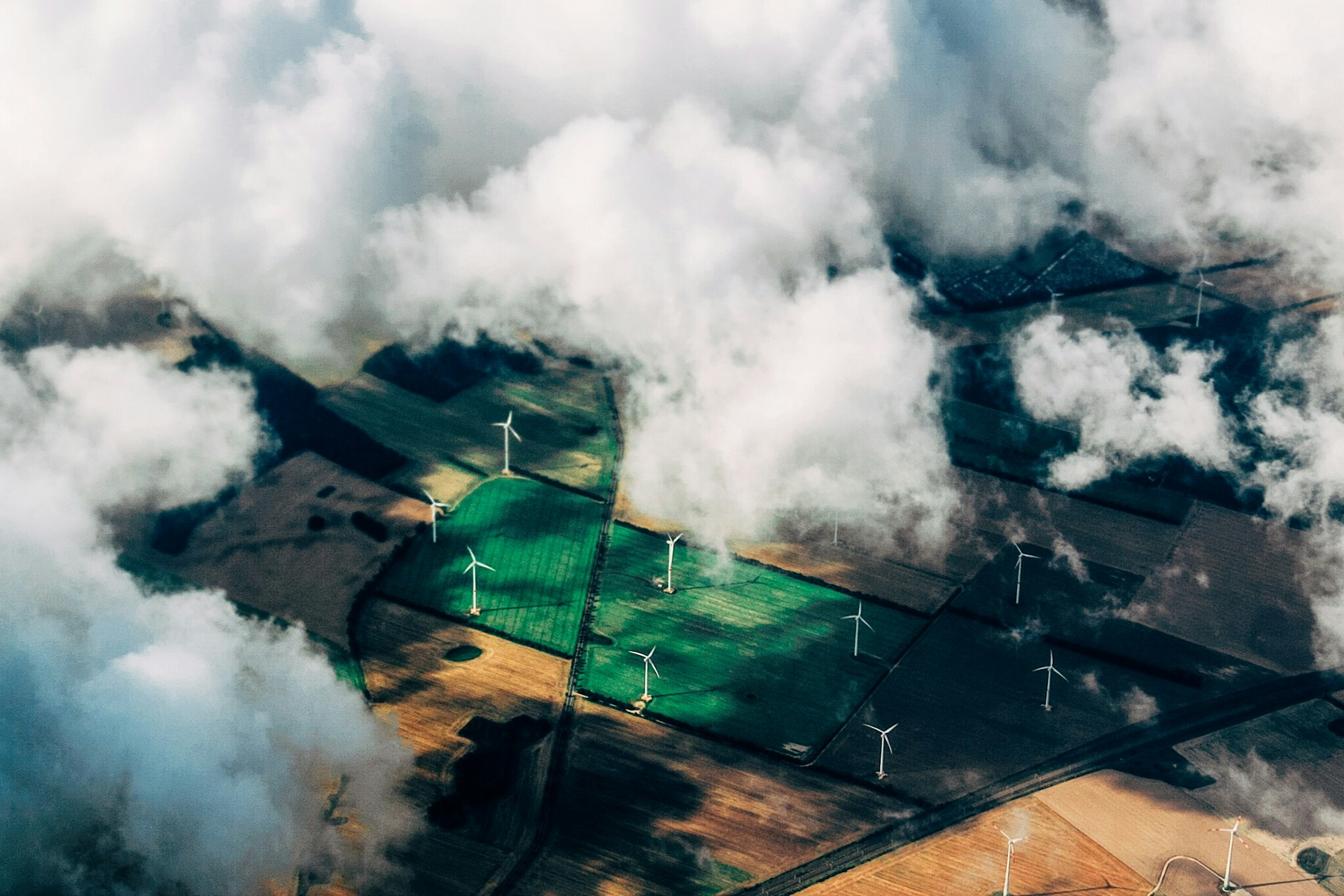
RWE will repower the Rethen-Vordorf wind farm in Lower Saxony, replacing three existing turbines with three modern units and raising installed capacity from 5.4MW to 21MW.
The project secured support through Germany’s latest Federal Network Agency renewable-energy auction. Construction is expected to begin shortly, with commissioning scheduled for the end of 2027.
Located in the Gifhorn district, the site will retain the same number of turbines while increasing installed capacity almost fourfold. Expected annual generation is equivalent to the electricity consumption of approximately 17,000 households.
Repowering allows an established wind site to produce substantially more electricity through larger rotors, taller towers, improved controls, and higher generator ratings. Existing wind-resource data, access arrangements, grid infrastructure, and local operating experience can support development, although the replacement work still requires extensive engineering and construction.
New foundations will be needed to accommodate larger structural and dynamic loads, while crane hardstandings, access roads, cable systems, switchgear, and the grid interface must be assessed against the replacement machines.
Existing turbines must be disconnected and dismantled in a sequence that coordinates civil works, component delivery, heavy lifting, environmental restrictions, and network outages. Larger blades and tower sections may also require road alterations, temporary access measures, and carefully planned transport routes.
The electrical design must accommodate the higher export capacity. Transformers, collection circuits, protection settings, reactive-power capability, power-quality performance, and the point of connection must all be suitable for 21MW rather than 5.4MW.
Where existing infrastructure cannot carry the additional output, reinforcement or replacement becomes part of the repowering scope. The final connection arrangement must also account for fault levels, voltage limits, export control, and the operating requirements imposed by the network operator.
Modern turbines provide more sophisticated grid-support functions than the machines they replace. Converter controls can regulate reactive power, support voltage, remain connected through defined disturbances, and respond to active-power instructions from the system operator.
These functions are becoming more important as inverter-connected renewable generation supplies a larger share of electricity. Individual wind farms increasingly contribute to voltage management, frequency response, curtailment, and wider system restoration strategies rather than operating solely as uncontrolled generators.
The project will provide local authorities and eligible community initiatives with payments totalling 0.3 euro cents for every kilowatt-hour generated. This includes 0.1 cents under Lower Saxony’s statutory participation arrangements.
Annual payments could reach approximately €165,000, depending on generation. Repowering can therefore increase local financial contributions without increasing the number of turbines, although larger machines may alter visual impact, aviation-lighting requirements, noise modelling, shadow flicker, and landscape assessments.
Older turbines typically have lower capacity factors, higher maintenance requirements, and less efficient use of available land. New machines can generate across a wider range of wind speeds, while remote monitoring and predictive maintenance may reduce unplanned downtime.
Equipment replacement also creates dismantling and material-recovery requirements. Steel towers, copper, aluminium, and many mechanical components have established recycling routes, while composite blade materials remain more difficult to process.
Developers must increasingly plan transport, waste classification, recovery, and disposal as part of the construction programme. Repowering also raises the question of whether serviceable components can be refurbished or reused elsewhere rather than immediately entering waste streams.
Germany’s onshore programme is advancing alongside major offshore and transmission investment. The Nordseecluster offshore substations now under development illustrate the parallel expansion of generation and network infrastructure.
Although repowering can move faster than development on a completely new site, planning consent, auction support, turbine availability, grid capacity, environmental assessment, financing, and local agreements remain necessary.
Project schedules may also be affected by limited availability of large cranes, specialised transport, installation teams, and high-voltage commissioning personnel. A crowded European project pipeline can place pressure on each of these resources.
RWE operates approximately 770MW of onshore wind capacity in Germany. Repowering established sites allows that portfolio to grow without a corresponding increase in locations, provided existing network and planning arrangements can be adapted to modern turbine scale.
Rethen-Vordorf shows how much additional output can be obtained from an established site while retaining three operating units. Delivering the increase from 5.4MW to 21MW will depend on the grid connection and electrical balance of plant advancing alongside the turbines themselves.