IN Brief:
- VIFOR Phase 1 comprises 30 Vestas V162-6.4MW turbines with 192MW of installed capacity.
- A further 42 turbines are planned for Phase 2, taking the Romanian wind farm to 461MW.
- Phase 2 combines Vestas turbines with civil and electrical works from PORR and a 400kV grid transformer from Ganz.
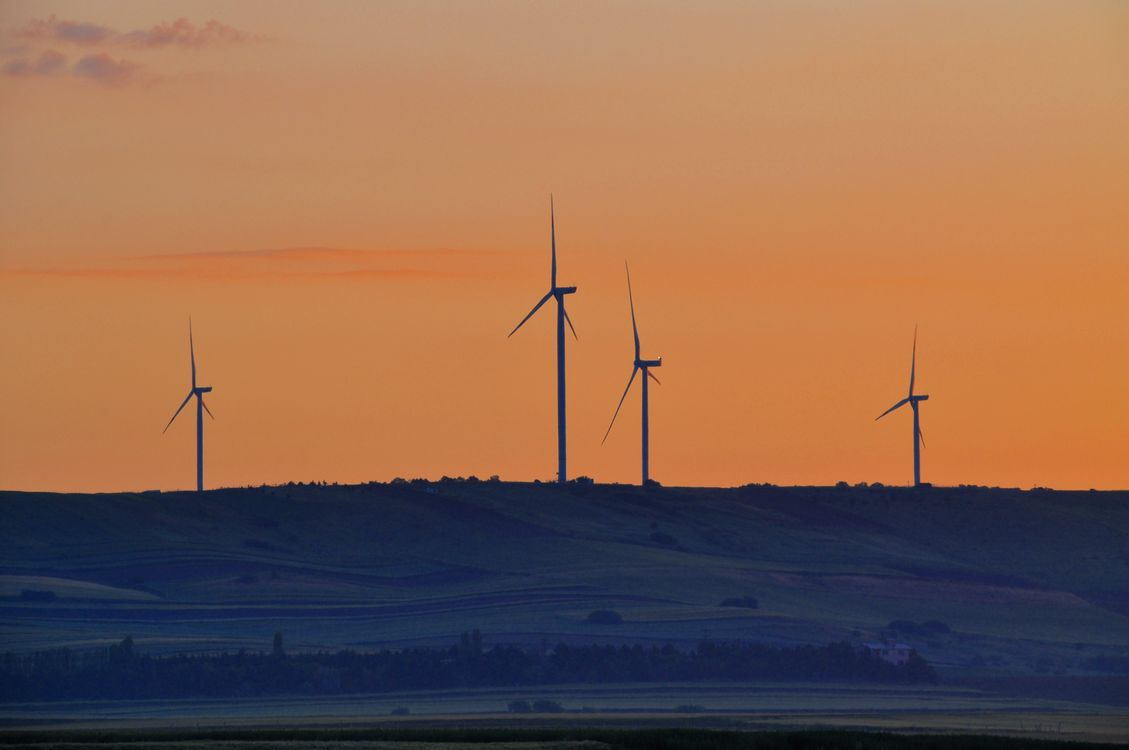
Rezolv Energy has energised the 192MW first phase of its VIFOR wind farm in Romania, bringing 30 Vestas turbines into operation while work continues on a further 269MW scheduled for completion in 2027.
The Buzău County project uses Vestas EnVentus V162-6.4MW turbines, each rated at 6.4MW with a 162-metre rotor diameter and towers reaching 166 metres. Vestas acted as engineering, procurement and construction partner for the first phase, which Rezolv describes as the largest new Romanian wind development to enter operation in more than a decade.
Electricity from the turbines is collected through an underground cable network before reaching the project transformer station and 400kV grid infrastructure. That electrical system had to be completed alongside turbine erection before the first 30 machines could export power, linking the mechanical construction programme directly with substation, protection, transformer and grid connection works.
Phase 1 accounts for 30 of the 72 turbines planned across the full VIFOR development. Construction of the second phase is already under way and will add another 42 V162-6.4MW machines, lifting total installed capacity to approximately 461MW. PORR is delivering the civil engineering and high- and medium-voltage balance-of-plant works, while Ganz Transformers and Electric Rotating Machines is supplying the 400kV grid transformer.
Using the same Vestas platform across both phases reduces the number of turbine variants that must be supported through installation and operation. The V162 combines the 162-metre rotor with a 6.4MW rating selected for the site, giving VIFOR a relatively high unit capacity for Romanian onshore wind and limiting the number of individual machines required to reach the project’s eventual 461MW output.
The first 192MW phase is expected to generate electricity equivalent to the annual consumption of more than 270,000 homes, based on Rezolv’s project estimates, while avoiding around 540,000 tonnes of carbon dioxide equivalent each year. At full build-out, the company expects annual generation comparable with the electricity consumption of more than 700,000 households.
Those estimates depend on the wind resource and achieved capacity factor across the operating fleet, with actual output varying according to weather conditions, turbine availability and network constraints. VIFOR’s connection infrastructure must therefore handle variable generation from the full array while maintaining the voltage, protection and control requirements imposed at the transmission interface.
The 269MW second phase is backed by up to €331 million of additional project finance agreed in 2025. The lending group includes Erste Group, UniCredit Group, the European Bank for Reconstruction and Development, the International Finance Corporation, Intesa Sanpaolo Group, OTP Bank and Raiffeisenlandesbank Niederösterreich-Wien.
That finance allowed construction to continue towards the 72-turbine layout after the first phase had entered delivery. Wind projects of this scale divide expenditure across turbines, civil works, foundations, roads, collection cabling, substations, transformers and connection infrastructure, with each package required on the programme before the full generating capacity can be commissioned.
The grid connection carries particular weight as Phase 2 progresses. An additional 269MW of installed generation cannot simply be added to the first-phase array without corresponding transformer, cable, protection and control capacity. The 400kV equipment being delivered for the expanded development forms part of the electrical path between the turbine collection system and Romania’s transmission network.
Rezolv is developing VIFOR alongside several other large renewable projects in south-eastern Europe. Its 225MW St George solar park in Bulgaria was commissioned in May 2026, while the company has also secured €561 million of financing for the 1.3GW Dama Solar development in Romania. Dama Solar is now moving towards construction following completion of its financing package.
The two Romanian projects place very different demands on their generating equipment but share the same dependence on high-voltage network infrastructure. VIFOR’s turbines produce variable AC output across a geographically distributed site, which must be collected and transferred through the project substation before export at transmission voltage. Dama Solar will use a much larger number of individual generating units and inverters, but it will similarly require substantial transformation and grid connection capacity.
At VIFOR, energisation of Phase 1 confirms that the first complete generating and grid connection chain is now operational. The remaining construction programme covers the additional turbines and associated electrical infrastructure needed to extend that chain across the second phase.
Rezolv expects those works to be completed during 2027, when the remaining 42 turbines are due to enter operation and take VIFOR from its current 192MW to approximately 461MW.