IN Brief:
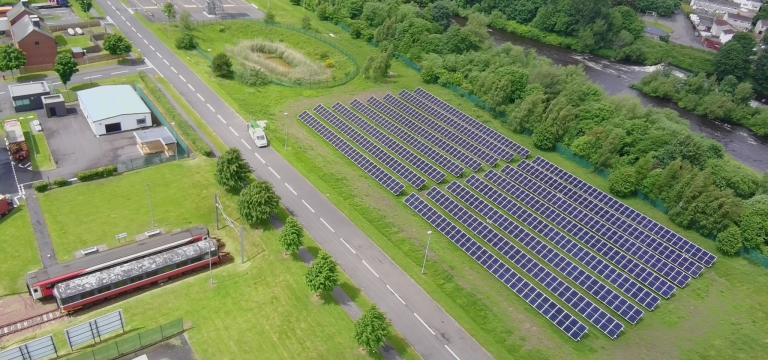
- More than 500 ground-mounted solar panels provide 340 kWp of capacity at the Cambuslang headquarters.
- Battery storage retains surplus solar electricity for use during periods of higher site demand.
- The project is forecast to generate about 296,000 kWh annually and save more than £63,000 each year.
RFM has completed a 340 kWp ground-mounted solar installation with battery storage at the Scottish Fire and Rescue Service headquarters in Cambuslang, where more than 500 photovoltaic panels are expected to generate approximately 296,000 kWh of electricity each year. The project is forecast to save more than £63,000 annually and reduce carbon emissions by around 70 tonnes, while grid electricity use at the site has already fallen by more than a third compared with the same period last year. RFM describes the installation as the largest renewable energy project undertaken by SFRS to date.
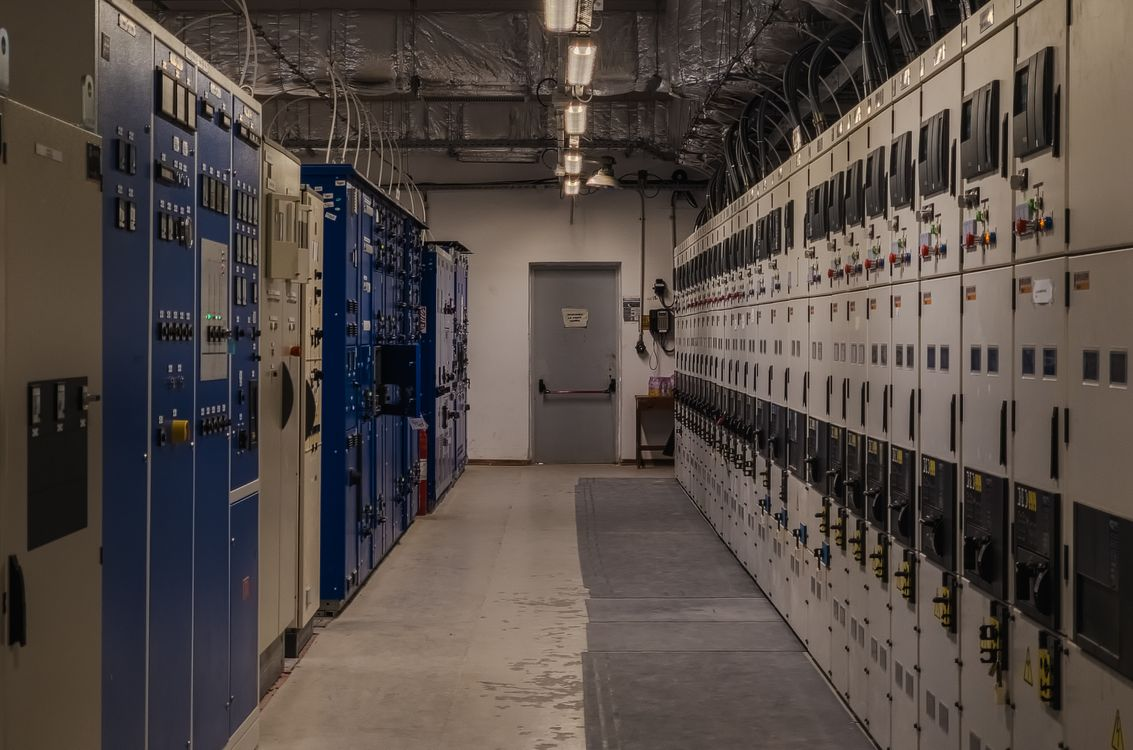
The battery stores surplus photovoltaic generation for use when site demand exceeds current solar output, increasing the proportion of locally generated electricity consumed behind the meter rather than exported. RFM has not published the battery’s power or energy rating, leaving its maximum output, usable duration, and contribution during peak demand undisclosed. Its financial value will consequently depend on the operating strategy as much as the hardware, with charge timing, state of charge, tariff periods, solar forecasts, and site load all influencing how much imported electricity can be displaced.
Cambuslang is a live operational headquarters rather than a standalone energy site, which required installation and commissioning to proceed around normal service activity. RFM managed assessment, planning, construction, and commissioning with specialist supply chain partners and will continue to maintain the system under its wider facilities-management relationship with SFRS. The company has provided planned preventative and reactive maintenance across the estate since 2022, giving the solar and storage project a direct connection with the organisation responsible for the building’s day-to-day technical performance.
Combining generation and storage alters the headquarters’ electrical profile more substantially than solar alone because the building can retain energy produced when demand is relatively low and use it later in the day. Office functions, operational support, communications, training, and other site loads follow their own patterns rather than matching the photovoltaic curve, creating periods when generation and consumption diverge. A battery can narrow that mismatch, although conversion losses and degradation mean storing every available kilowatt-hour is not automatically the optimum operating strategy.
The economics become strongest where electricity exported during a midday surplus is worth less than the avoided cost of buying power back from the grid later, particularly when a building has a predictable demand profile extending beyond daylight hours. RFM forecasts payback in just over five years, indicating that the project has been designed around measurable cost reduction alongside carbon savings. Actual performance will depend on annual solar yield, battery availability, control settings, electricity tariffs, maintenance, and how closely the site’s consumption follows the assumptions used in the business case.
Ground-mounted photovoltaics remove some of the structural restrictions associated with rooftop installations and can allow panels to be positioned around orientation, access, and maintenance requirements, provided sufficient land is available. They also introduce their own civil and electrical work through foundations, drainage, fencing, cable routes, security, protection, and the connection back into the site distribution system. Adding battery storage brings power conversion equipment, controls, communications, fire-safety considerations, and additional protection interfaces into the same installation.
Those interfaces increasingly sit within ordinary estate management as public and commercial buildings add local generation, electric vehicle charging, heat pumps, storage, and digitally controlled loads. Electrical distribution that was designed mainly to receive power from the grid can become bidirectional and more dynamic, with protection settings, metering, monitoring, and maintenance strategies needing to accommodate equipment that both consumes and supplies energy. The boundary between conventional facilities management and distributed power engineering consequently becomes less distinct as more assets are connected behind the meter.
SFRS is pursuing the project within a wider target of reaching net zero by 2045, with the energy required to heat and power its estate forming a significant part of the organisation’s emissions. Sarah O’Donnell, deputy chief officer at SFRS, said the early results were reducing energy costs and carbon emissions simultaneously, while RFM managing director for Scotland William Heaney said the contractor would continue reviewing the wider estate for further efficiencies. Their assessment can now be tested against operating data rather than projected generation alone.
The Cambuslang installation is modest beside utility-scale solar parks and battery stations, but the relevant performance measures are different because its purpose is to alter the energy balance of one operational site rather than supply the wholesale grid. With 340 kWp of photovoltaic capacity, expected annual generation of about 296 MWh, savings above £63,000, and grid consumption already reported more than one third lower, the project has established a set of measurable benchmarks against which the battery strategy and longer-term system performance can be judged.