IN Brief:
- Nuclear Restoration Services has assumed the Hinkley Point B site licence following ONR approval.
- The station stopped generating in 2022 and completed removal of all nuclear fuel before the transfer.
- Hinkley Point B is the first AGR site in England to move from EDF into NRS management.
Nuclear Restoration Services has taken over the Hinkley Point B nuclear site licence from EDF following approval by the Office for Nuclear Regulation, moving the Somerset station into the next phase of its decommissioning programme after four decades of electricity generation. The transfer, completed on 1 October, makes Hinkley Point B the first Advanced Gas-cooled Reactor site in England to move into NRS management after Hunterston B completed the same transition in Scotland earlier this year.
Hinkley Point B generated electricity between 1976 and 2022, after which EDF began the programme required to remove all nuclear fuel before the site could pass into the Nuclear Decommissioning Authority group. Both reactors had been fully defuelled by January 2026, with fuel removed from the reactors, ponds, and interim storage areas, allowing the station to be declared fuel free. ONR described that work as removing the vast majority of the radioactive hazard associated with the former generating site.
The regulator granted NRS the licence after assessing whether the organisation had the capability and competence to take responsibility for the facility, with specialist inspectors examining the arrangements that will govern the station through decommissioning. Regulatory oversight does not end with the change of licensee; ONR will continue inspecting nuclear safety and security while dismantling and hazard reduction progress. NRS, a subsidiary of the Nuclear Decommissioning Authority, already manages former power stations and research sites across the UK.
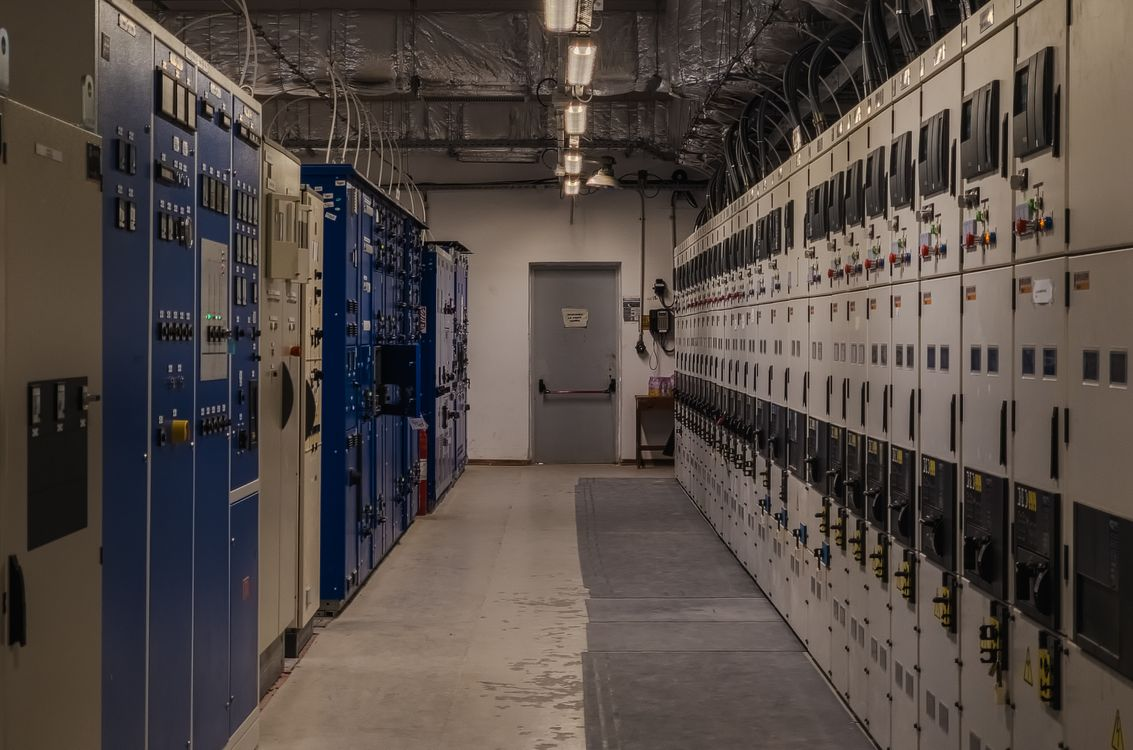
Changing the organisation named on the licence does not materially alter the plant overnight, because a defuelled nuclear station still contains extensive mechanical, electrical, structural, and radiological systems that have to be maintained while decommissioning proceeds. Equipment needed for generation can progressively be isolated and retired, but ventilation, monitoring, electrical supplies, drainage, fire protection, lifting systems, communications, security, and waste-handling facilities may remain necessary for years. Removing plant too quickly can create new risks if systems supporting safe dismantling are taken out of service before their functions are no longer required.
The engineering priorities consequently shift rather than disappear. Reactor availability, fuel management, turbine performance, and outage planning dominated the station’s operating life, whereas the next phase places greater weight on plant characterisation, isolation, radiological protection, controlled dismantling, temporary works, waste segregation, packaging, and maintaining ageing assets until they can be safely removed. Detailed knowledge accumulated during operation becomes particularly valuable when original systems are modified or taken apart decades after they were installed.
Workforce requirements change with that programme, leaving NRS to retain sufficient operational knowledge while expanding the capabilities needed for long-duration decommissioning. Nuclear engineers and operators remain essential, but demolition specialists, waste engineers, radiological protection teams, project managers, lifting specialists, and contractors increasingly shape the work as major plant moves from preservation into dismantling. Maintaining continuity through the transfer is therefore as much a skills exercise as an administrative one.
Hinkley Point B also sits beside Hinkley Point A, the former Magnox station already managed within the NDA estate, creating two neighbouring decommissioning programmes with different reactor technologies and histories. Their proximity offers scope to draw on an established regional base of nuclear suppliers, contractors, and technical expertise, although the AGR design brings plant and dismantling requirements that do not simply replicate Magnox practice. NRS will have to manage each site according to its own safety case and decommissioning sequence.
The wider AGR transition will expand the organisation’s responsibilities as other EDF stations reach the end of generation and complete defuelling, with each transfer dependent on the plant reaching the required condition and ONR being satisfied that the incoming licensee can manage the remaining hazards. Hunterston B provided the first example earlier in 2026, while Hinkley Point B now establishes the process in England. Subsequent stations will add further large industrial sites whose programmes extend far beyond final shutdown.
Defuelling represented the largest single reduction in hazard at Hinkley Point B, but the transfer on 1 October begins a much longer period in which the station will gradually move from maintained nuclear plant to dismantled site. NRS now carries responsibility for keeping the remaining infrastructure safe while systems are isolated, waste routes developed, and buildings progressively cleared, turning a former generating station into a decades-long engineering programme whose progress will be measured by controlled hazard reduction rather than megawatt-hours produced.