IN Brief:
- ZE Energy has agreed a 49% equity transaction involving Crédit Agricole regional banks and Terra Energies.
- The operating Vert site combines 77 MW of photovoltaic capacity with 29.6 MWh of battery storage and a 15-year Orange supply contract.
- Terra Energies’ investment is expected to complete before year-end, subject to final agreements; transaction value was not disclosed.
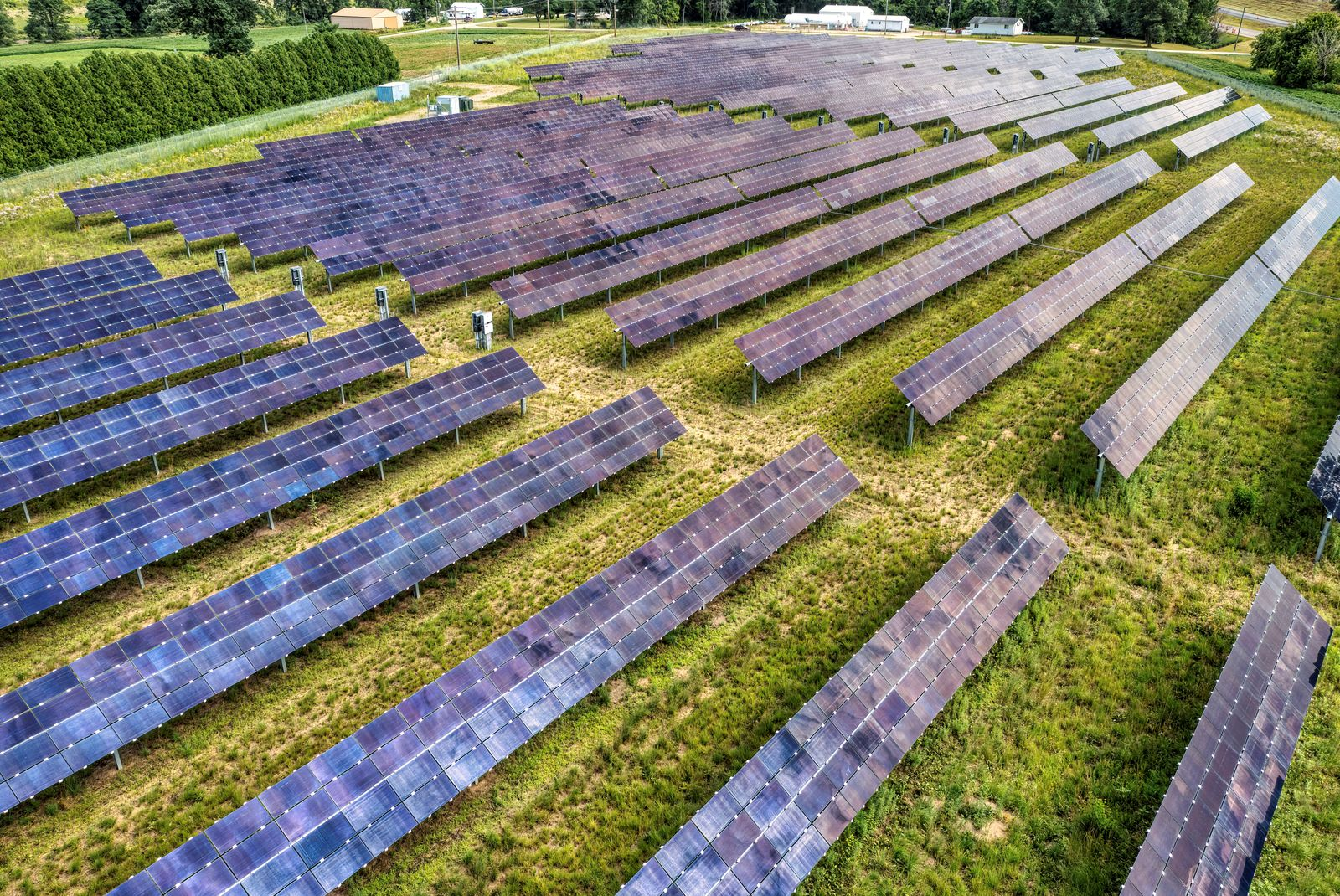
ZE Energy has agreed a transaction bringing Crédit Agricole regional investors and Terra Energies into a 49% interest in its hybrid photovoltaic and battery installation at Vert, in southwestern France. The facility combines 77 MW of solar generating capacity with 29.6 MWh of lithium-ion storage and supplies electricity associated with telecommunications operator Orange under a 15-year corporate power purchase agreement. The ownership development, confirmed on 26 October 2026, provides a route for the developer to release capital from an operating asset and reinvest it in further projects.
The investor group comprises Crédit Agricole’s regional entities Aquitaine, Pyrénées Gascogne and Toulouse 31, together with Terra Energies, an investment vehicle linked to Nouvelle-Aquitaine. The participation of Terra Energies is expected to be finalised before the end of 2026, subject to the completion of customary agreements. It would therefore be inaccurate to treat every participant’s involvement as fully settled already. Neither the total consideration nor an individual equity valuation for the storage component has been established in the disclosed terms.
Vert covers approximately 67 hectares in the Landes department and was inaugurated in October 2025 following a roughly two-year construction programme. The solar installation is described as capable of generating about 90 GWh of electricity each year, which is a generation estimate rather than an independently reported 2026 operating result. It is one of the company’s hybrid projects combining generation and energy storage in a single development.
The 77 MW solar rating indicates potential instantaneous photovoltaic output under specified conditions, while the battery’s 29.6 MWh describes stored electrical energy. A discharge power limit and complete operating cycle have not been provided in the current investment disclosure. Consequently, the battery should not be described as a 29.6 MW system or assigned an unsupported discharge duration. Keeping these quantities separate is important when assessing how the technology influences the project’s operation and commercial value.
Co-located batteries can change the timing of electricity delivery from photovoltaic assets. Solar production may be plentiful in the middle of the day, while market prices and network demand may be more favourable later. Storage can absorb a portion of surplus generation and release it at a different time, within the battery’s technical and contractual constraints. Whether the Vert system supplies flexibility services, balances the corporate supply arrangement or follows a different dispatch strategy depends on operating details that have not been published as part of the investment transaction.
For the electricity industry, the transaction illustrates the financing structures emerging around hybrid generation facilities. Equity investors assess more than installed megawatts: the operating history, grid connection, battery performance, maintenance obligations and contracted revenue all influence an asset’s risk profile. The long-term arrangement with Orange is a material commercial feature of Vert, although the specific allocation of solar and battery output within the contract has not been disclosed. The disclosed transaction terms do not establish a guaranteed minimum battery revenue stream.
ZE Energy intends to reinvest proceeds from the stake sale in additional renewable energy projects in France and other European markets. The business develops, finances, constructs and operates standalone storage as well as solar-plus-storage sites, with a stated objective of reaching 1.5 GW of capacity by 2030. That future portfolio goal remains separate from the 77 MW of solar generation at Vert and does not indicate that an equivalent battery capacity has already been financed or built.
The model also has consequences for engineering responsibilities over the asset’s life. Once different shareholders participate, the operator must continue managing performance, planned maintenance, equipment warranties and electrical safety regardless of ownership changes. A battery integrated into a generating site requires inverter controls, state-of-charge management and clear protection interfaces with the photovoltaic and grid systems. These requirements persist through a financial transaction; a sale of equity does not itself change technical capability or mean that new storage hardware has been added.
The next confirmed milestone is the completion of the remaining investor documentation, particularly Terra Energies’ planned entry before year-end. ZE Energy has presented the investment as validation of its hybrid generation model and as a means to support the next stage of development. The immediate story, however, is a change in ownership participation at an already operating French solar-and-storage facility, not the commissioning of a new 77 MW power station or an additional battery installation.