IN Brief:
- Elestor and Windpark Zeewolde are developing a 20MW hydrogen-iron flow battery project in the Netherlands.
- The system is planned with 200MWh to 800MWh of storage capacity, giving a duration range of 10 to 40 hours.
- The project targets grid congestion and renewable curtailment at one of Europe’s largest onshore wind farms.
Elestor and Windpark Zeewolde are developing a hydrogen-iron flow battery at the 322MW Windpark Zeewolde site in Flevoland, the Netherlands.
The proposed system would provide 20MW of power output and between 200MWh and 800MWh of storage capacity, placing it in the 10 to 40 hour duration range. That operating profile is substantially longer than the two-to-four-hour configurations common across much of today’s lithium-ion battery market.
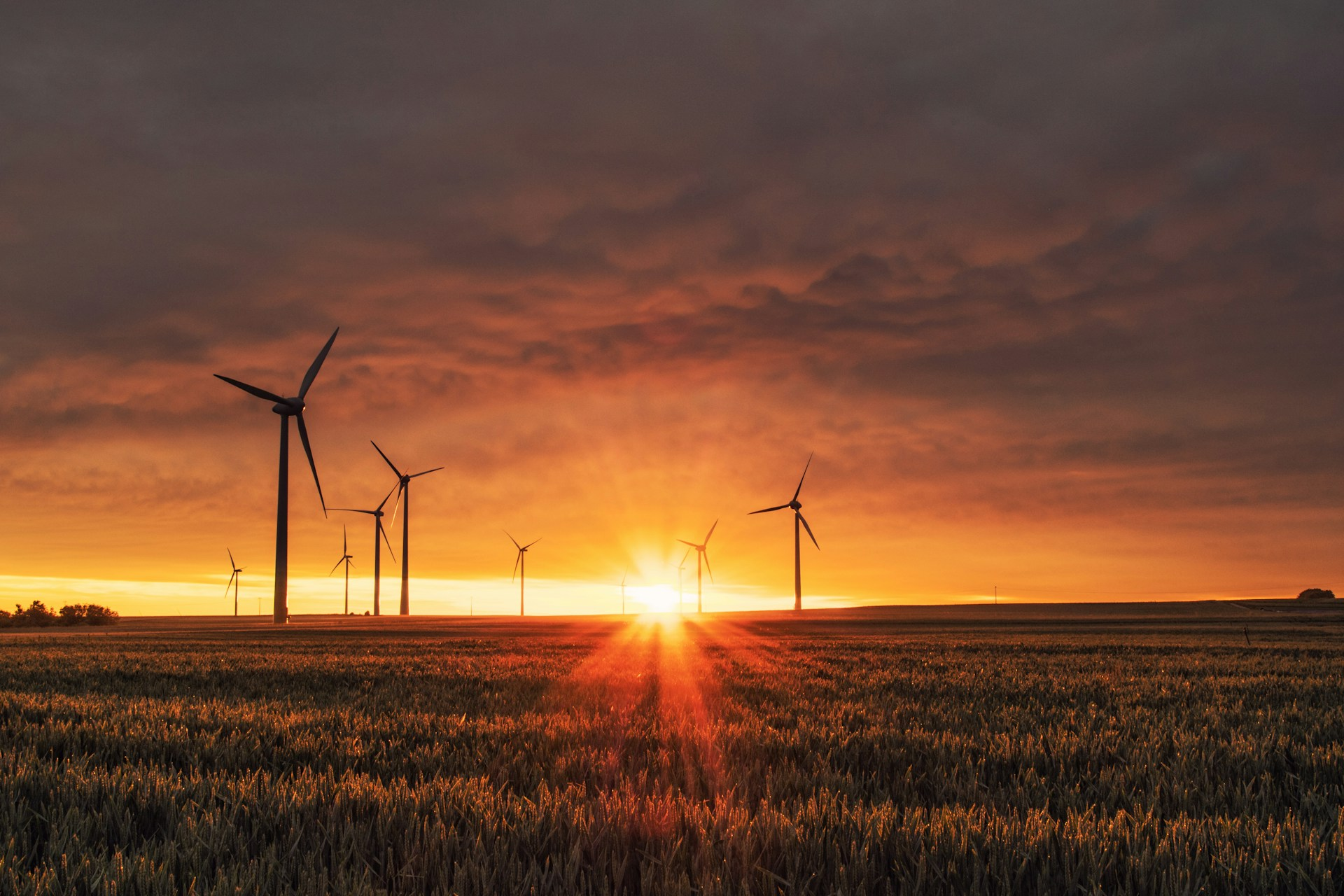
Windpark Zeewolde is one of Europe’s largest onshore wind farms, with 222 turbines owned through a cooperative structure involving local farmers, residents, and entrepreneurs. Its location in the Dutch power system gives the project a clear grid function, with network congestion increasingly affecting renewable export capability in the Netherlands.
Flow battery systems separate power and energy capacity. Power output is governed by the electrochemical stack, while energy capacity can be increased through larger electrolyte tanks. That architecture can suit applications where the requirement is not only rapid response, but the shifting of renewable output across extended periods.
The Netherlands has become a practical test case for high-renewable, high-demand electricity infrastructure. Industrial load, solar deployment, wind generation, electrified heat, and connection requests have all increased pressure on transmission and distribution capacity. In constrained regions, the limiting factor is often not the availability of renewable generation, but the ability of the grid to move that electricity when it is produced.
Long-duration storage is gaining policy and engineering attention across Europe as system operators look beyond short balancing cycles and towards multi-hour congestion management. Earlier discussion around long-duration storage as strategic infrastructure reflects the same problem that Zeewolde is intended to address: variable renewable generation needs assets that can absorb surplus output and return it when network and market conditions permit.
For wind-heavy regions, storage value is becoming increasingly locational. A battery sited near a wind farm can reduce export peaks, absorb generation that might otherwise be curtailed, and release electricity when network capacity is available. The commercial case depends on congestion revenues, ancillary services, wholesale price spreads, grid-service contracts, and the treatment of storage within local network planning.
Hydrogen-iron flow chemistry is one of several technologies competing in this part of the market. Its attraction lies in the use of abundant materials and the potential to scale energy capacity without simply adding more battery cells. Its challenge is the same faced by much of the long-duration storage sector: moving from technically credible projects into bankable, repeatable deployment.
The Zeewolde project combines renewable generation, grid congestion, cooperative ownership, and storage duration in a live operating environment. It is not a replacement for lithium-ion systems in fast-response applications, but it could provide a specialised storage layer for constrained renewable zones where the operational requirement extends across many hours.
As European networks become more congested, storage procurement is moving away from generic megawatt ratings and towards location, duration, control capability, and network value. Projects such as Zeewolde show how storage design is beginning to follow grid physics rather than a single asset-class template.