IN Brief:
- ORLEN has opened its first German multi-bay fast-charging hub near Hamburg.
- The Elmshorn site includes 16 chargepoints rated at up to 400kW and a solar PV canopy.
- The deployment forms part of a wider ORLEN Charge expansion across Poland, Germany, and central European markets.
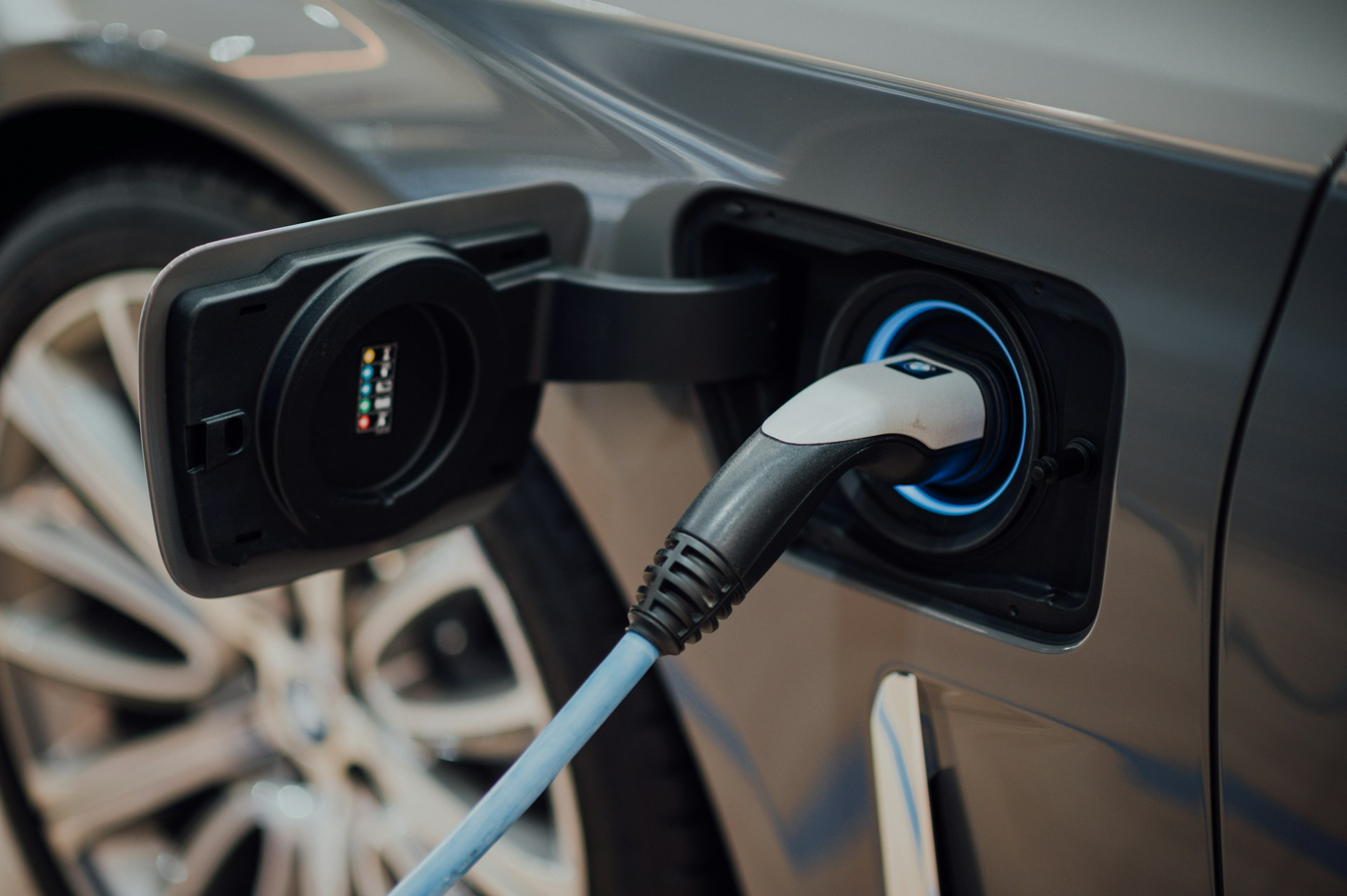
ORLEN has opened its first German multi-bay fast-charging hub at Elmshorn, near Hamburg, adding 16 high-power chargepoints to the A23 motorway corridor.
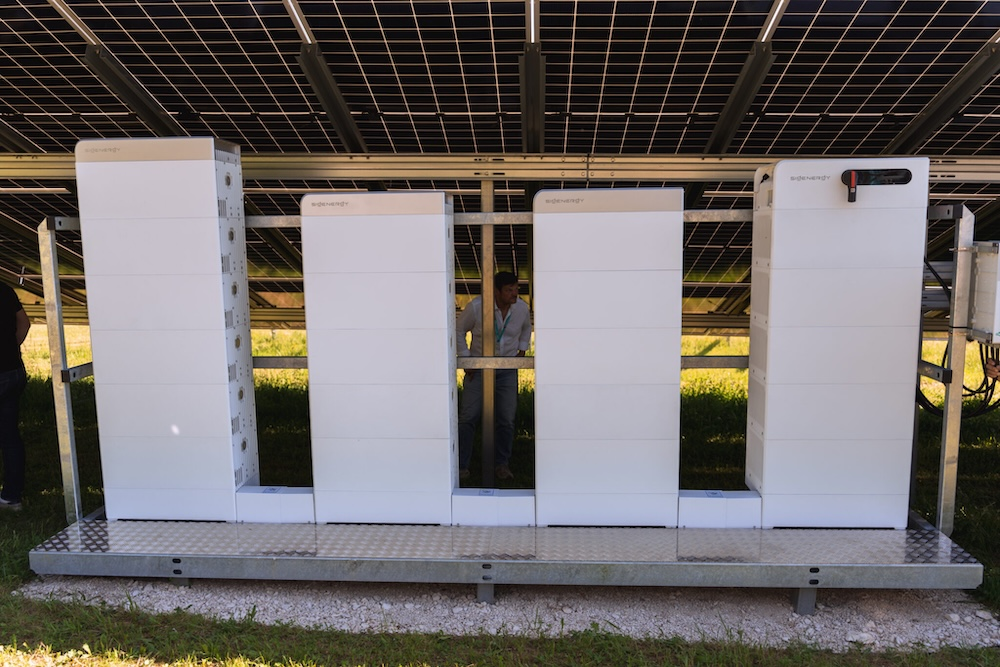
The site is equipped with chargers rated at up to 400kW and includes a solar PV canopy designed to supply renewable electricity locally. Intelligent power-sharing technology allocates available power between charging bays, helping the hub manage electrical load while supporting shorter charging sessions.
The German hub follows ORLEN’s first charging hub in Poland, opened under the ORLEN Charge brand in 2025. The company is developing a wider fast-charging network across Poland, Germany, and other central European markets, with a target of around 6,000 chargers in Poland and 2,500 chargepoints outside Poland by 2030.
High-power charging changes the electrical character of a service station. A site with multiple 400kW chargers can create megawatt-scale peak demand, even when diversity, vehicle acceptance rates, and power-sharing reduce simultaneous maximum load. Connection design, transformer sizing, switchgear specification, protection settings, earthing, metering, and thermal management all become central to the project.
That pattern is already visible at other European charging hubs, from Fastned’s ultra-rapid site near Heathrow to the truck-charging development moving into construction in Valencia. As charging locations scale from individual units to high-power hubs, forecourts and depot sites are becoming local power infrastructure assets.
Solar canopies can offset a share of on-site demand, provide weather protection, and support visible decarbonisation of charging infrastructure. They do not remove the need for grid capacity, particularly at sites designed around multiple ultra-rapid chargers. Where local generation is combined with batteries, control systems can reduce peaks and improve energy management, although grid connection capacity remains the decisive constraint for most high-power locations.
The power-sharing system at Elmshorn is therefore a core element rather than a secondary feature. Charging hubs increasingly need to balance vehicle battery limits, dwell time, local connection capacity, tariff exposure, charger availability, and customer turnover. Electrical control architecture is now part of the commercial model because a hub that cannot manage power intelligently risks either underusing equipment or overbuilding grid capacity.
Germany’s motorway and forecourt network will be a major test environment for high-power charging economics. High utilisation is needed to justify equipment, civils, connection, and maintenance costs, while distribution networks must process connection requests that concentrate new demand at transport corridors. In many locations, the constraint is less about charger supply than local grid capacity and reinforcement lead times.
Maintenance requirements are also changing. Chargers, cooling systems, protection equipment, communications, payment systems, PV assets, and site energy management all have to operate as an integrated electrical system. Higher power levels reduce charging time, but they raise the operational cost of downtime and increase the need for competent electrical maintenance.
ORLEN’s Elmshorn hub is one site within a broader rollout, yet it reflects a clear direction for European charging infrastructure: fewer low-power symbolic installations, more grid-intensive hubs, and a stronger role for electrical design in road transport electrification.