IN Brief:
- Great British Energy has increased the fund’s eligible critical components from 12 to 29.
- New network items include HV bushings, converter valves and equipment for HVDC and HVAC substations.
- Eligible electricity network components must be designed for use at 132kV and above.
Great British Energy has expanded its £300 million Supply Chain Fund for offshore wind and electricity networks, increasing the number of eligible critical components from 12 to 29.
Seventeen products have been added following a review of supply constraints and market evidence. The revised list includes offshore wind jackets, generators, gearboxes and power converters, together with electricity network equipment including high-voltage bushings, converter valves and components used within HVDC converter stations and HVAC substations.
Funding is available for new UK manufacturing facilities and extensions to existing plants where additional production capacity would address identified supply constraints. Network equipment must be designed for use at 132kV and above, directing that part of the scheme towards higher-voltage transmission and distribution infrastructure.
The enlarged list reflects the range of equipment required before new generation or transmission capacity can enter service. A wind turbine generator may be one of the most visible components in an offshore project, but power still has to pass through converters, transformers, switchgear, cables and substations before it reaches the wider network.
Manufacturing limits within those less visible packages can delay projects even when turbine or civil construction capacity is available. Large transformers, converter equipment and specialist high-voltage components often have long production cycles because of the size of the equipment, the number of manufacturing stages involved and the testing required before delivery.
Great British Energy says demand for offshore wind and network equipment is already rising faster than available production capacity in several areas. The £300 million fund is intended to add UK manufacturing capacity where those constraints risk creating longer lead times, higher project costs or greater reliance on a small number of overseas suppliers.
The programme opened in December 2025 as the first product within Great British Energy’s wider £1 billion Energy, Engineered in the UK programme. Grant funding can be drawn down between April 2026 and March 2030, allowing capital projects to span several financial years where new manufacturing equipment, buildings or production lines cannot be delivered immediately.
Awards are intended for capital investment rather than normal operating costs. Eligible expenditure can include construction of new facilities or expansion of existing manufacturing capacity in the UK, with claims paid in arrears once costs have been incurred and agreed milestones have been met.
No general minimum grant has been set and there is no standard published maximum, subject to the overall fund remaining available. Applicants must demonstrate that the amount requested is the minimum public contribution needed for the investment to proceed and that the proposal offers value for money.
Great British Energy expects average grant intensity across the programme to be around 15%. On that basis, the £300 million public fund could sit alongside more than £1 billion of combined public and private capital, although the final investment total will depend on the projects selected and the proportion of eligible costs supported in each case.
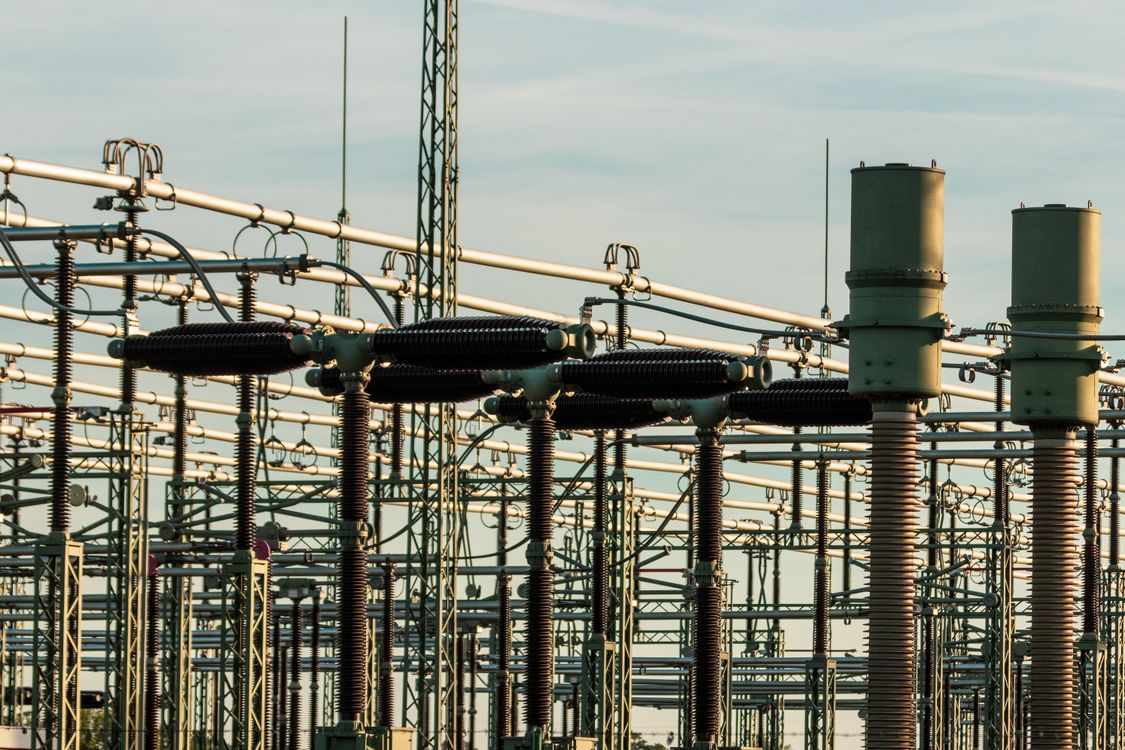
Adding high-voltage bushings and converter components broadens the scheme into equipment that sits deep inside transmission assets. Bushings allow high-voltage conductors to pass safely through grounded transformer or switchgear enclosures while maintaining electrical insulation. Converter valves form the core switching equipment inside HVDC converter stations, controlling the transfer between alternating-current and direct-current systems.
HVDC infrastructure has become increasingly important to offshore wind and long-distance transmission projects because it can move large quantities of electricity over long cable routes with lower losses than an equivalent AC connection in many applications. Converter stations are consequently substantial electrical plants in their own right, combining valves, converter transformers, switchgear, filters, cooling systems, control equipment and protection.
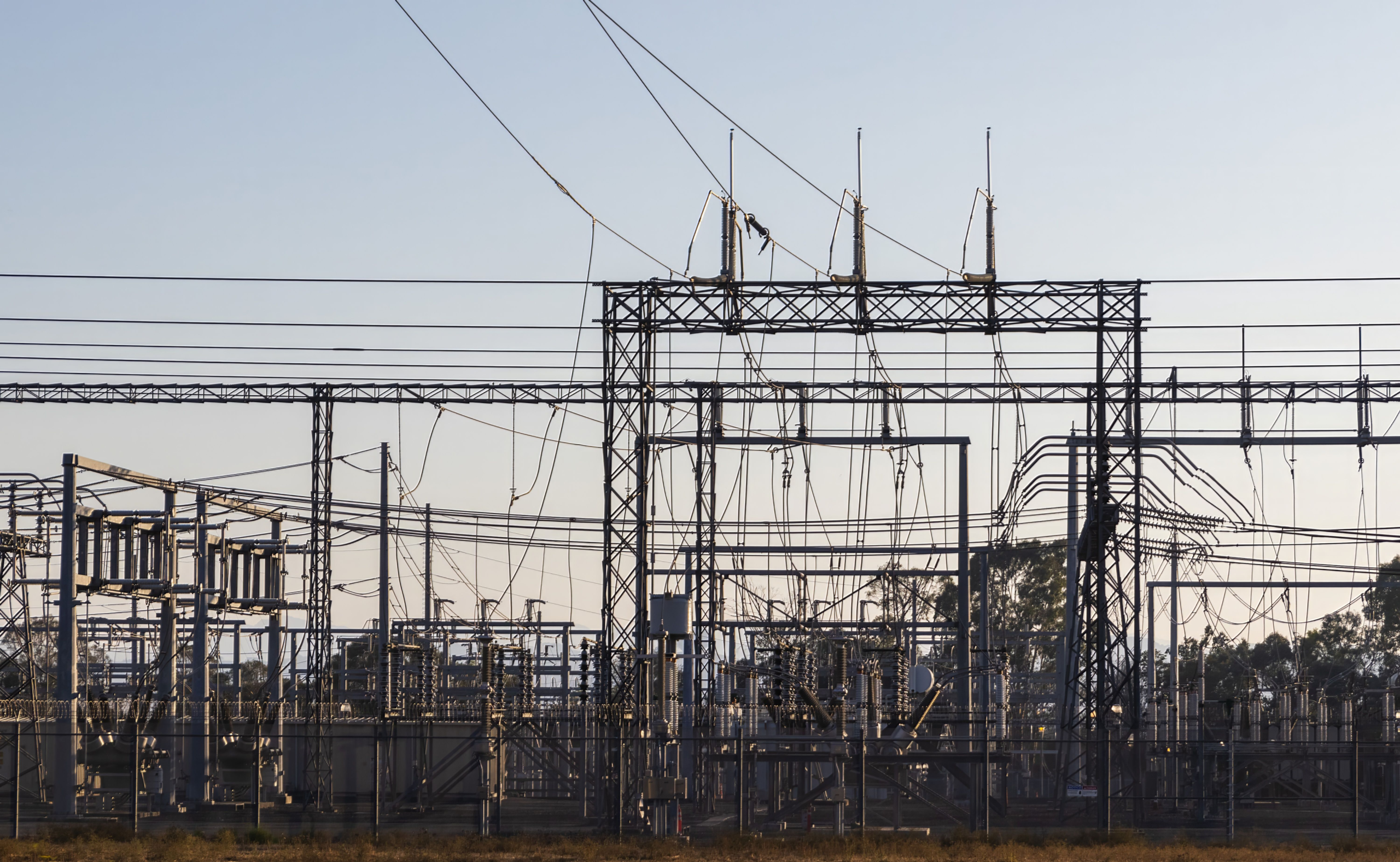
HVAC substations remain equally central to expansion of the onshore network and to shorter offshore connections where alternating-current export remains practical. Increasing manufacturing capacity for their equipment supports transmission reinforcement as well as generation connections, particularly as operators add substations and replace or expand existing sites to accommodate higher power flows.
The October revision does not increase the £300 million budget. It increases the number of component categories able to compete for the same funding, giving manufacturers in the newly added areas access to capital support that was unavailable under the original 12-component list.
Great British Energy has also opened an Additional Critical Components process through which manufacturers and industry bodies can submit evidence for further products to be considered. The eligible list can therefore change again if emerging shortages or lead-time pressures justify adding another equipment category.
The current application round closes at 17:00 GMT on 10 December 2026 unless the available budget is allocated earlier. Updated guidance published alongside the expanded component list sets out the current assessment criteria, grant intensity expectations and evidence required from applicants.
Manufacturers now have just over two months to bring forward proposals against the enlarged list. The fund remains fixed at £300 million, but its reach across the power equipment supply chain has widened substantially, particularly around the high-voltage hardware needed for new transmission capacity and offshore wind connections.