IN Brief:
- South Africa has prioritised procurement of 4.6GW of battery energy storage under its first Section 34 determination for the 2025 Integrated Resource Plan.
- The programme sits alongside 5GW of gas generation and will be implemented through the Independent Power Producer Office.
- No aggregate MWh requirement has yet been disclosed for the new battery allocation, so its eventual discharge duration remains undefined.
South Africa has prioritised 4.6GW of battery energy storage in the first Section 34 determination under its 2025 Integrated Resource Plan, placing storage ahead of another round of variable generation as the electricity system deals with periods of surplus power and curtailment.
The determination also provides for 5GW of gas generation. Government intends to procure both technologies through the Independent Power Producer Office, while later determinations will address additional wind and solar capacity. The battery programme is therefore part of a wider sequence rather than a standalone change in storage policy.
The 4.6GW figure describes power capacity, not stored energy. Government has not yet specified the aggregate megawatt hour requirement for the new procurement, so the duration of the planned battery fleet cannot be calculated from the headline figure. A 1MW battery delivering its rated output for two hours stores about 2MWh, while the same power rating maintained for four hours requires about 4MWh.
That distinction will determine how the batteries can be used. Shorter duration systems can respond quickly to frequency changes and short peaks, while batteries with more stored energy can shift larger volumes of electricity from periods of surplus generation into later periods of demand. Two projects with the same MW connection rating can therefore provide materially different amounts of energy over an evening peak.
Government has linked the new procurement to electricity that is already available but cannot always be used. Curtailment occurs when generators are instructed to reduce output because demand, network capacity, or system conditions cannot accommodate all available production. A battery connected in the right part of the network can charge during those periods and discharge later, but only within the limits of its own connection and stored energy.
Location is consequently as important as the battery cells. A storage project needs enough network capacity to charge when surplus electricity is available and enough export capacity to discharge when the system requires power. Installing a battery behind an existing transmission constraint does not remove that constraint, and a poorly located project can reproduce the same bottleneck when it attempts to discharge.
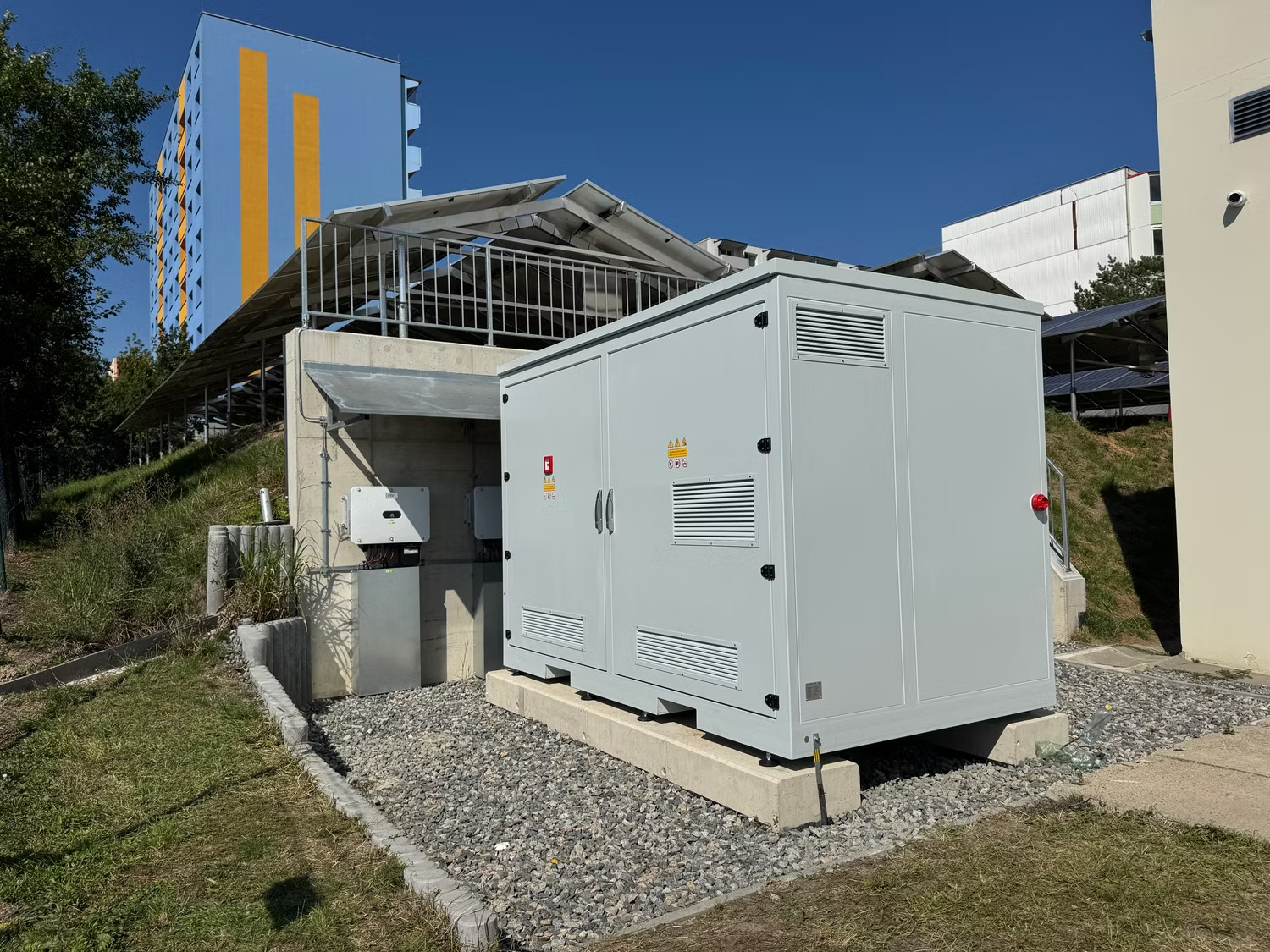
The electrical plant around the cells determines how the battery interacts with the grid. Inverters convert direct current from the battery into alternating current for the network and regulate active and reactive power. Transformers adjust voltage, while switchgear, protection, metering, controls, auxiliary supplies, and communications support safe connection and dispatch.
Control requirements will depend on the services procured. Energy shifting requires the battery to maintain enough stored energy for later discharge, while reserve and frequency services may require capacity to be held back so the inverter can respond rapidly to a system event. A plant committed fully to one service cannot always provide another service at the same time without reducing the headroom available.
Battery degradation also affects the amount of capacity available over the contract term. Cells lose usable energy through calendar ageing and repeated cycling, so developers may need additional initial capacity, later augmentation, replacement modules, or operating limits to maintain contracted performance. Procurement specifications therefore need to define performance over time rather than rely only on initial nameplate values.
South Africa already has a substantial storage procurement base. Three earlier bid windows secured about 1,744MW and 6,976MWh of battery capacity, while the five projects in the first window total 513MW and have moved into construction. The new 4.6GW allocation would increase the power capacity covered by public storage procurement considerably.
Those earlier programmes also show why the missing duration figure matters. A portfolio rated at 1,744MW and 6,976MWh carries roughly four hours of energy at the aggregate power rating. The new determination could ultimately specify a different duration or a mixture of durations, depending on the system services and charging pattern government wants bidders to provide.
Gas generation addresses a different operating requirement. Batteries can absorb electricity and return it later, but their discharge ends when the stored energy is depleted. Gas units can continue generating while fuel remains available, although their economics and emissions differ substantially. Combining both technologies gives the system operator access to resources with different response times and endurance.
The government’s Power Parks Programme is intended to support part of the wider delivery process by identifying strategic sites for transmission, storage, and other power projects. Prepared sites can reduce some development barriers, but each battery will still require a network study, an agreed connection, compliant equipment, and commissioning before it can deliver contracted services.
The 4.6GW target therefore establishes the scale of the next battery procurement without defining its full engineering size. Duration, connection locations, performance obligations, charging rules, and service requirements will determine how many megawatt hours are ultimately built and how effectively the storage fleet can move surplus electricity into periods when the South African system needs it.