IN Brief:
- EnBW has agreed a long-term tolling contract for 300MW/1.2GWh of Zelestra’s Emilia-Romagna battery project.
- The full development will provide approximately 500MW and 2GWh of four-hour storage capacity.
- Construction is planned for 2027, ahead of commercial operation in 2028.
Zelestra has agreed a long-term battery tolling contract with EnBW covering 300MW/1.2GWh of a planned grid-scale storage development in Emilia-Romagna, Italy.
The contracted capacity forms part of a larger battery energy storage system expected to provide approximately 500MW and 2GWh. With a four-hour configuration, the completed facility will be capable of sustaining maximum output for around four hours, subject to operating reserves, state-of-charge limits, degradation management, and final equipment design.
Under the arrangement, Zelestra will develop, construct, and own the project, while EnBW will control the agreed share of its capacity. An earlier agreement covering the remaining output means the planned 2GWh installation now has long-term commercial contracts across its full capacity.
Construction is scheduled to begin in 2027, with commercial operation targeted for 2028. Emilia-Romagna combines substantial industrial demand with growing renewable generation, placing the project within a region where flexible capacity can support both market operation and network management.
Tolling agreements separate ownership of the physical asset from commercial control of contracted capacity. Although the allocation of dispatch, market, availability, and performance risks varies between contracts, the structure usually provides the project owner with a defined long-term revenue stream while giving the offtaker access to storage for trading and system services.
That contractual model can reduce dependence on volatile merchant revenues. Wholesale spreads, balancing prices, ancillary-service demand, congestion patterns, and market access can all change during a battery’s operating life, whereas contracted income provides greater visibility for lenders and investors.
Four-hour storage enters the Italian build-out
Italy is moving from individual battery developments towards a more structured national storage programme. Terna has scheduled its second MACSE storage auction for November 2026, targeting 16GWh of capacity for delivery in 2029 under long-term contracts.
Although MACSE and privately negotiated tolling agreements use different mechanisms, both address the financing challenge surrounding large storage assets. Considerable capital has to be committed before future energy spreads and service revenues are known, so longer-term contracts can provide a stable base while leaving part of the operational value available to the capacity holder.
Italy’s geography gives storage a strongly locational function. Renewable output is expanding across southern regions and the islands, while consumption, transmission capacity, and interconnection are distributed unevenly. Batteries can move energy through time, but they cannot remove every physical constraint between regions, making connection location and network topology central to project value.
A four-hour system can perform a broader energy-shifting role than short-duration batteries designed primarily around rapid frequency response. It can absorb sustained periods of solar production and discharge later into evening demand, although daily operation will be shaped by market prices, grid conditions, contracted obligations, and battery-health limits.
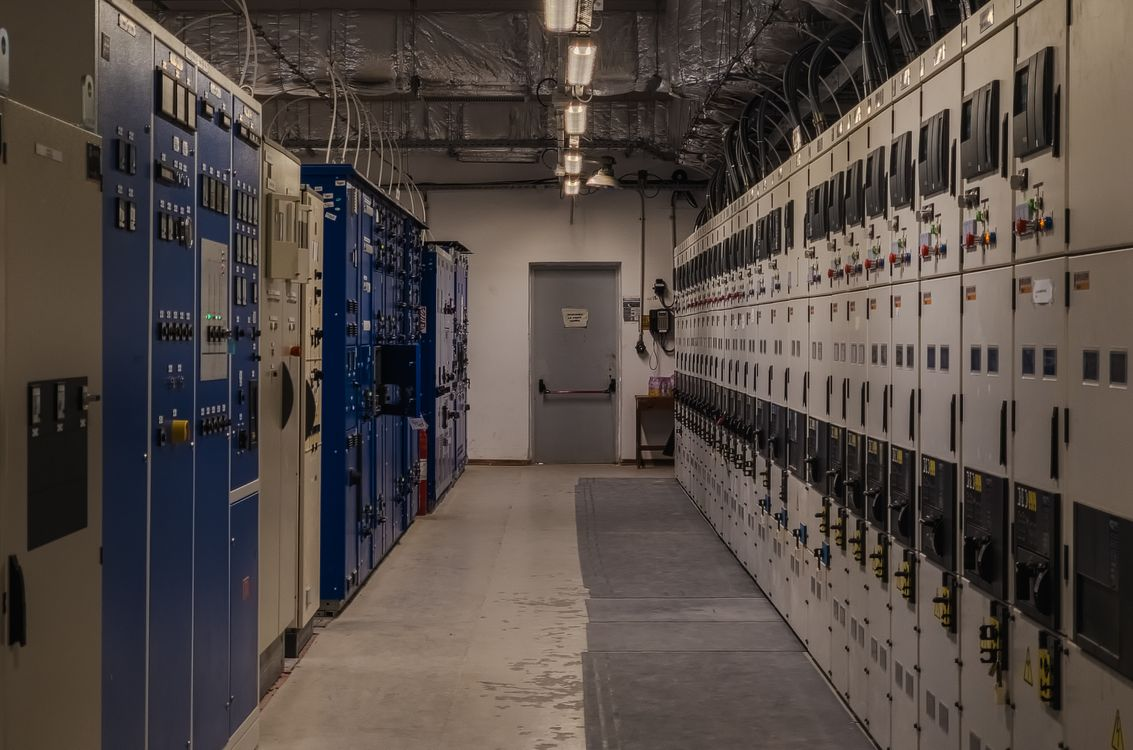
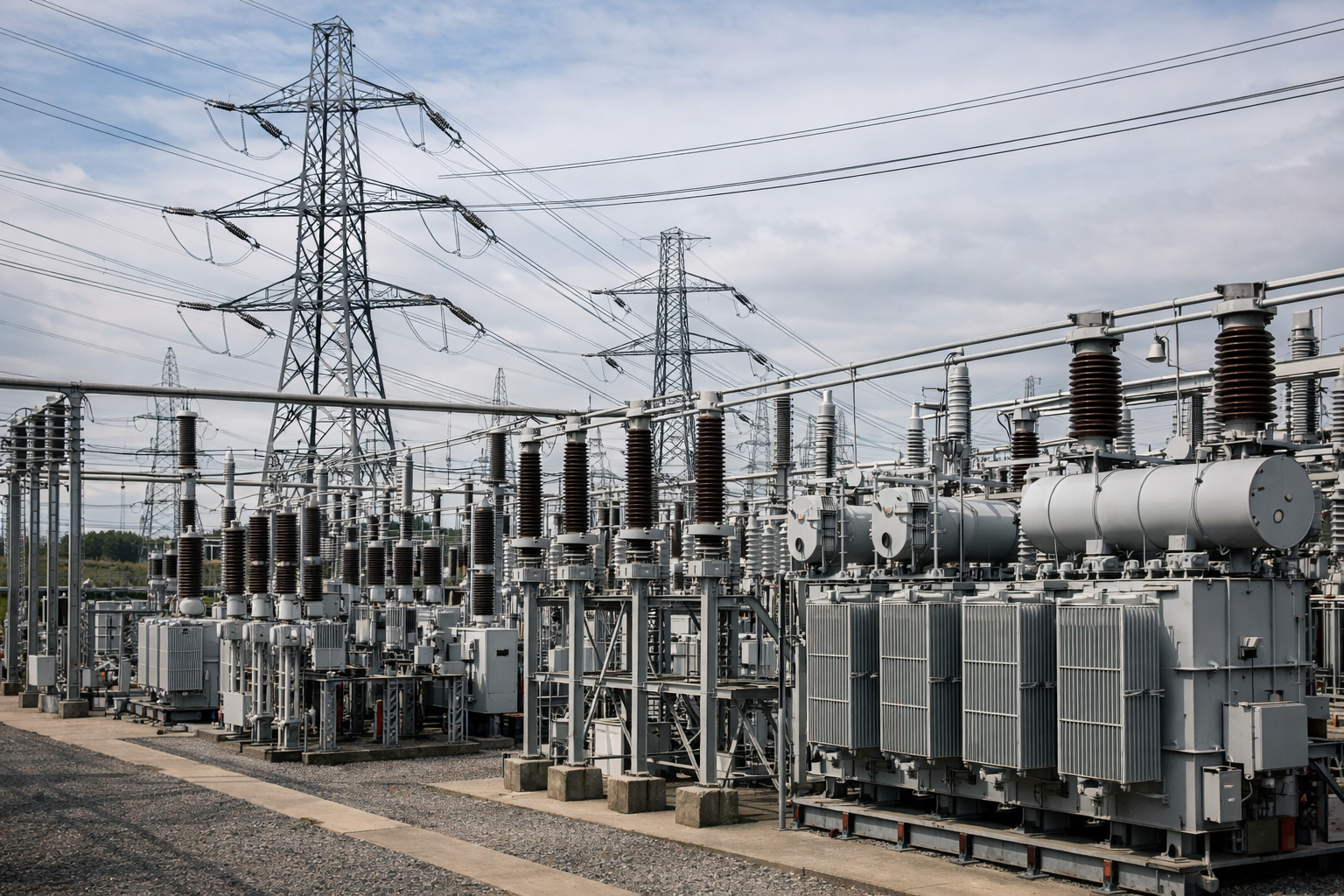
The electrical scope will extend far beyond battery enclosures. A 500MW installation requires high-capacity power-conversion systems, transformers, switchgear, protection, metering, communications, auxiliary supplies, and a connection capable of handling rapid transitions between import and export.
Harmonic performance, reactive-power capability, fault contribution, voltage response, and control behaviour will be assessed against Italian grid requirements. Where hundreds of inverter blocks operate in parallel, plant-level controls must prevent unstable interactions and ensure that the site behaves as one compliant generating and demand facility.
State-of-charge management will sit at the centre of commercial operation. The control system must preserve sufficient stored energy for contracted services, respect warranty and thermal limits, balance uneven cell and module performance, and avoid scheduling the same capacity into incompatible markets.
Fire detection, separation distances, emergency access, drainage, thermal management, and equipment replacement will remain important throughout the operating life. Four-hour projects contain more stored energy than similarly rated short-duration installations, increasing the significance of site layout and incident containment even where power ratings are identical.
Long-term performance will also depend on auxiliary equipment. Cooling systems, communications, transformers, switchgear, protection relays, and control hardware can remove individual blocks or the complete site from service even when the battery cells remain healthy.
As degradation reduces available energy over time, operating software and maintenance planning will have to preserve the contracted 1.2GWh share or support augmentation with additional battery modules. The commercial agreement may therefore influence equipment oversizing, replacement schedules, and warranty negotiations before construction begins.
Zelestra’s Italian development activity already includes solar generation and an expanding storage pipeline. Locating the project in Emilia-Romagna links that portfolio with one of the country’s principal industrial regions, where renewable growth and electrification are increasing demand for controllable capacity.
EnBW’s contract moves a substantial share of the development from an uncommitted pipeline into a commercially supported project. The next stages will depend on connection delivery, procurement, construction control, and the ability of a four-hour battery to retain operational value as Italian market rules and network requirements evolve.