IN Brief:
- Excel Energy and Sigenergy have formed a UK commercial energy-storage partnership.
- The companies will combine solar PV, batteries, EV charging, and energy management.
- Projects will target higher use of on-site generation and reduced peak grid demand.
Excel Energy has entered a strategic partnership with Sigenergy to expand the deployment of commercial solar and battery-storage systems across the UK.
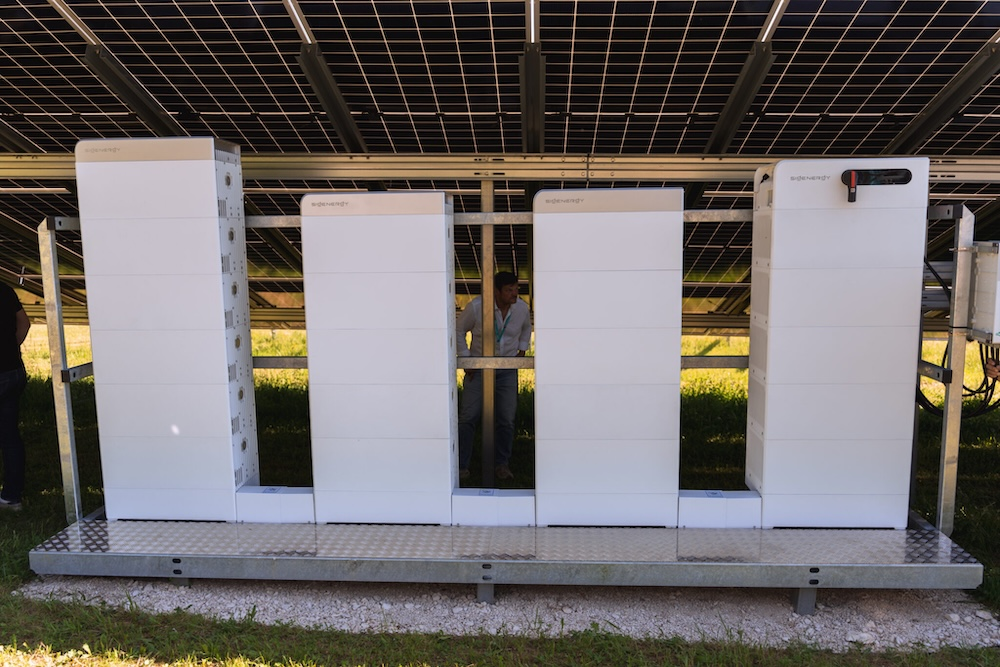
The collaboration began in April 2026 and combines Excel Energy’s installation capability with Sigenergy’s battery hardware and energy-management technology. Projects will focus on commercial sites seeking to store surplus photovoltaic generation for later use.
Stored energy can be discharged overnight, during peak-demand periods, or when grid electricity carries a higher cost or carbon intensity. Systems may also be configured to reduce maximum import demand, support critical loads, and coordinate solar generation with electric-vehicle charging.
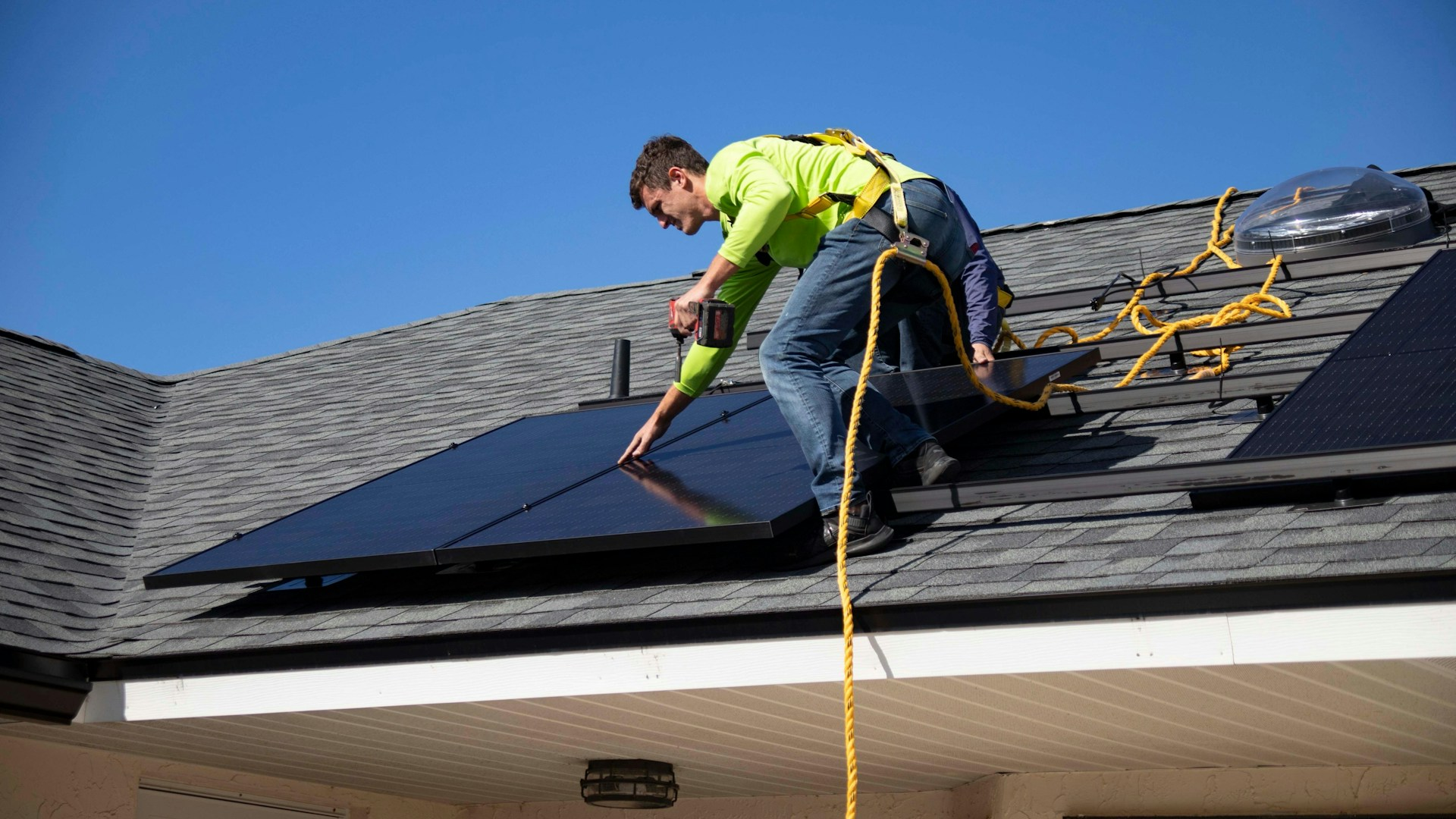
Excel Energy delivers commercial solar PV, battery storage, and EV charging projects. Its accreditations include MCS, NAPIT, JIB, and SafeContractor, covering elements of installation quality, electrical competence, and site safety.
Sigenergy supplies battery energy-storage and energy-management systems combining power electronics, monitoring, controls, and software optimisation. Final equipment selection will depend on each site’s load profile, grid connection, generation capacity, operating priorities, and available space.
Commercial battery design begins with interval data rather than annual electricity consumption alone. Two facilities with similar yearly demand can require very different systems where one carries a steady process load and the other experiences short, high peaks.
Solar export, shift patterns, weekend operation, seasonal demand, electricity tariffs, and planned EV charging all affect system sizing. A battery chosen solely from annual consumption may be too large to cycle effectively or too small to influence peak demand.
The grid connection can impose additional limits. A battery may be installed to prevent a charging hub or expanded production line from exceeding an import agreement, while export control may be needed where the network cannot accept the full combined output of solar and storage.
Protection and compliance arrangements depend on system rating and operating mode. Inverter-based generation and storage may require distribution-network approval, export limitation, loss-of-mains protection, metering, and controls capable of demonstrating compliance under normal and abnormal conditions.
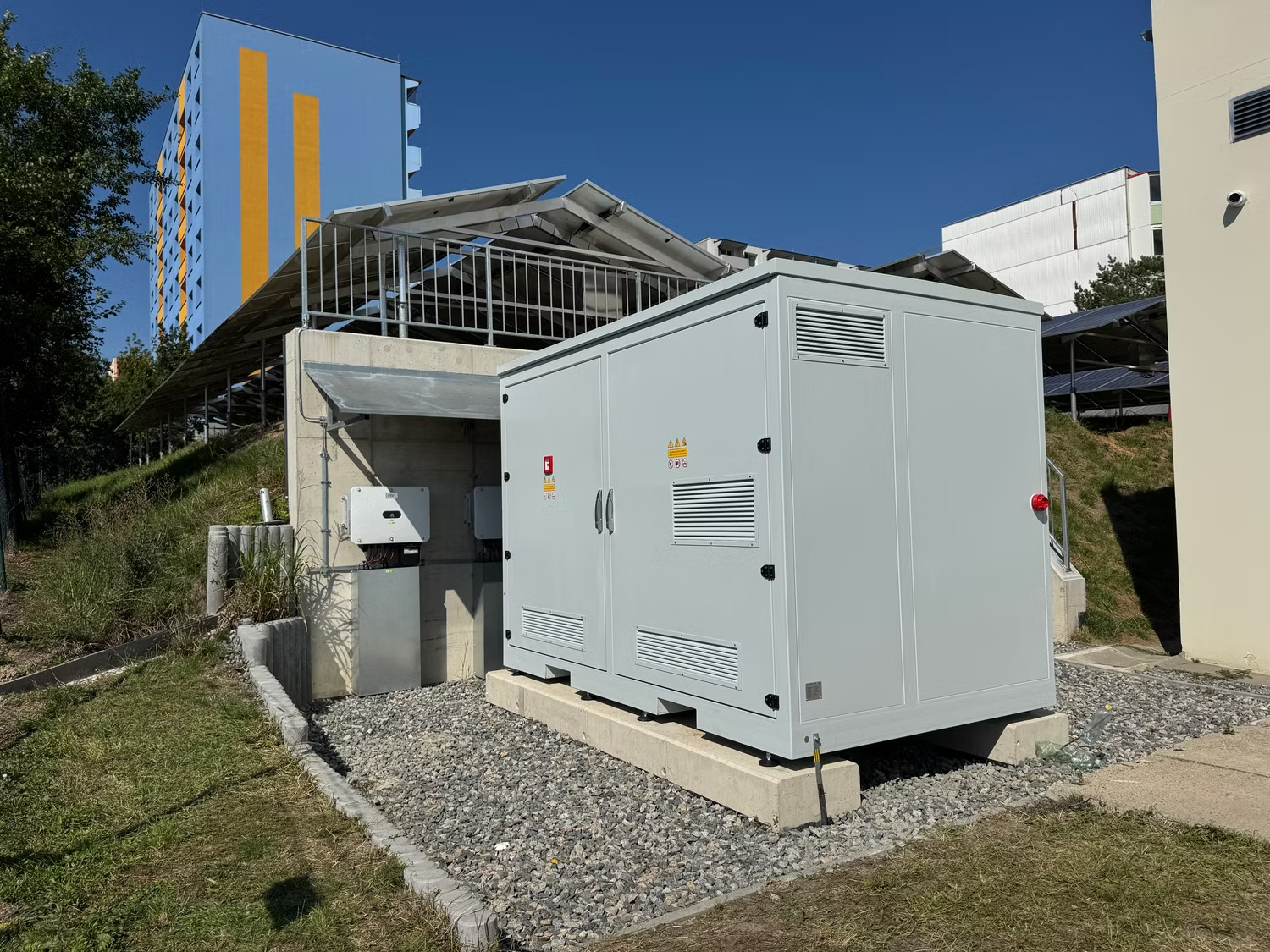
Battery location requires assessment of access, ventilation or cooling, fire detection, emergency isolation, drainage, impact protection, and separation from occupied areas or critical equipment. Manufacturer instructions, planning conditions, insurer requirements, and the site’s fire strategy must be reconciled before installation.
Energy-management software governs how the assets interact. A controller may prioritise self-consumption, peak shaving, tariff optimisation, EV charging, resilience, or market participation, although these objectives can conflict.
Maintaining reserve energy for resilience, for example, reduces the capacity available for daily cost optimisation. Charging during low-price periods may also be restricted where local network conditions or an export agreement limit the battery’s operation.
Forecasting influences performance because solar output, building load, charging demand, and electricity prices all vary. An optimisation system must update its schedule while remaining within state-of-charge, inverter, transformer, and connection limits.
Data quality, communications reliability, cyber security, and fallback operation consequently form part of the electrical design. A system should remain safe and predictable when remote data, cloud services, or market signals are unavailable.
The partnership develops as the Clean Flexibility Roadmap expands the role of batteries, smart charging, and controllable demand within the UK power system.
Commercial solar maintenance is changing at the same time. Connected 1,500V testing equipment is supporting more structured maintenance records across larger photovoltaic installations.
Adding storage increases the number of systems requiring inspection and maintenance. Enclosure condition, cooling, alarms, communications, emergency systems, switchgear, cable terminations, protective devices, firmware, and battery-health indicators all form part of the operating regime.
Commercial value will vary by site. Where substantial solar exports receive limited value and electricity is later imported at higher prices, storage can increase self-consumption and reduce exposure to peak tariffs.
Sites with constrained connections, critical loads, high demand charges, or planned EV fleets may have further reasons to invest. A poorly matched battery can remain underused or cycle in ways that accelerate degradation without producing sufficient operational savings.
The Excel Energy and Sigenergy partnership creates a combined route through equipment supply, project design, installation, and energy management. Long-term performance will depend on accurate site assessment, compliant integration, transparent operating assumptions, and continuing technical support after commissioning.