IN Brief:
- The €2.54bn first phase will connect Corinth and Kos through a submarine HVDC link and two converter stations.
- Funding includes a €228.9m EU grant, €1.53bn EIB loan and €534m Greek Decarbonisation Fund grant.
- A separate second phase is planned to extend AC interconnections to Rhodes and Karpathos.
The European Climate, Infrastructure and Environment Executive Agency has confirmed a €228.9m EU grant for the first phase of Greece’s Dodecanese electricity interconnection, which will establish a high-voltage direct current link between the mainland and the island of Kos. The contribution forms part of a financing package supporting a project whose first phase is estimated at €2.54bn.
The first phase has an estimated budget of €2.54bn, supported by a €1.53bn European Investment Bank loan, a €534m grant from Greece’s Decarbonisation Fund and the €228.9m EU contribution. The latter is being provided through the Public Sector Loan Facility and is its largest single-project award so far. The funding backs the construction programme; electricity will begin flowing only after the transmission assets have been completed and commissioned.
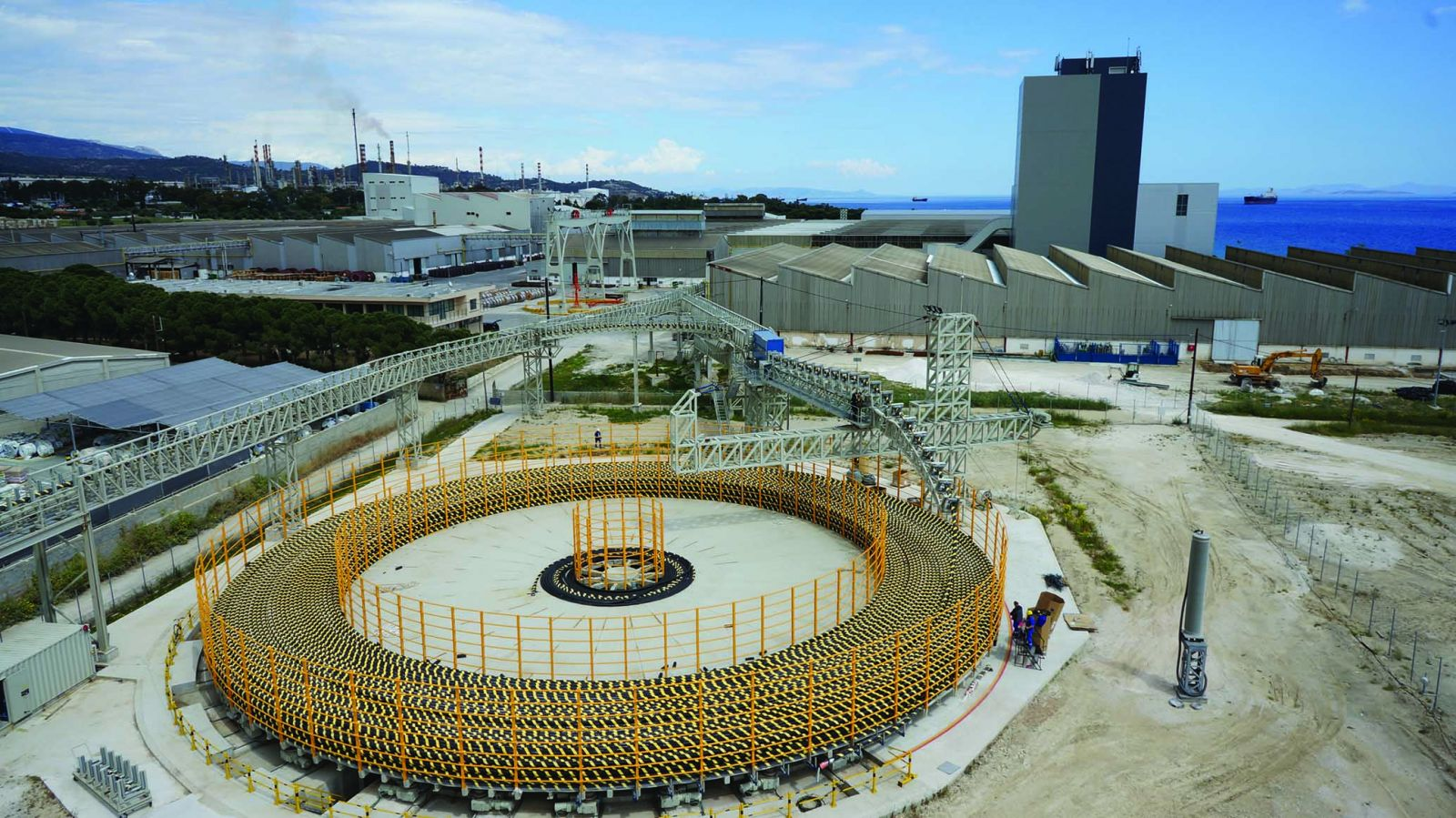
Greece’s Independent Power Transmission Operator (IPTO) is implementing the first phase, which comprises a submarine HVDC link between the Corinth area on the mainland and Kos, together with converter stations at either end and associated network infrastructure. The connection is intended to bring Kos into the Hellenic Electricity Transmission System and reduce the dependence of its existing isolated power system on local generation.
Long submarine routes present a challenge for alternating-current transmission because the cable’s capacitance draws reactive current and can constrain the amount of useful power transferred over distance. HVDC avoids that particular limitation along the submarine section, while converter stations provide the interfaces with AC networks at Corinth and Kos. Those stations add complexity and cost, but they enable bulk power transfers over routes that can be difficult to serve using AC cables alone.
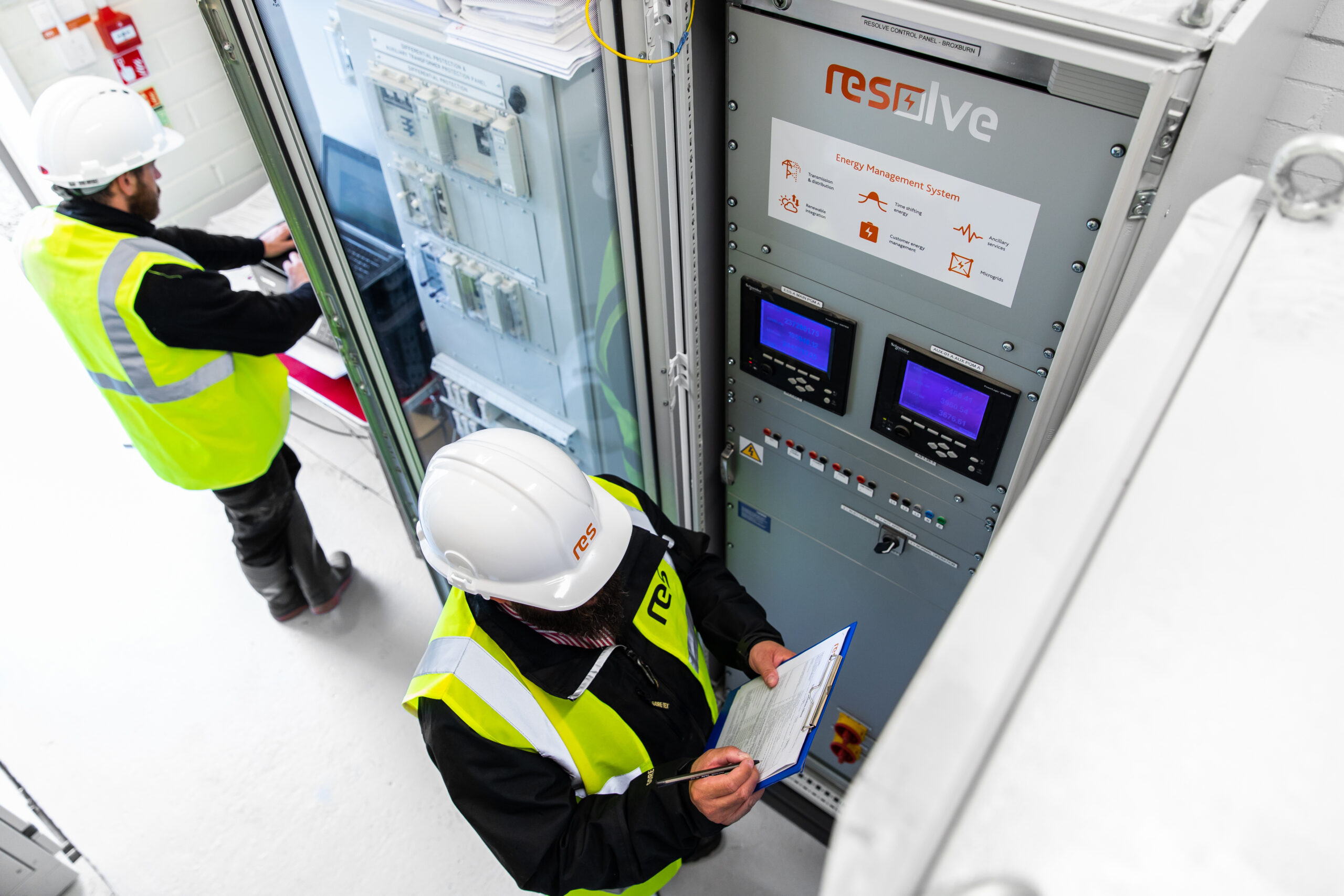
Both converter stations will need coordinated control, protection and insulation arrangements, together with suitable grid interfaces on land and on Kos. The investment therefore extends beyond laying cable across the seabed: converter equipment, substations, switching systems and the island network have to be integrated before the link can operate reliably. The agency has not specified a final equipment supplier or a newly confirmed commissioning date in its grant disclosure.
The Corinth–Kos route is the backbone of a two-stage Dodecanese programme. A second phase will extend the system through AC interconnections to Rhodes and Karpathos, but that work sits outside the latest EU-supported grant. The distinction determines which islands are connected by the initial investment and which will depend on subsequent infrastructure contracts and completion milestones.
Isolated electricity networks must balance demand, generation, frequency and voltage within a limited group of assets. Their dependence on local oil-fired stations can increase operating costs and exposure to fuel logistics, particularly when demand varies seasonally. Connection to the mainland transmission system should widen the available supply options, although the new route will still require contingencies for faults, maintenance and outages.
IPTO’s programme is intended to support the withdrawal of oil-fired generation as the wider connections are delivered. The European agency forecasts approximately 7.7 million tonnes of avoided carbon dioxide emissions over 25 years from the first phase, equivalent to about 309,000 tonnes annually. These are prospective operating benefits based on the eventual electricity mix and use of the completed system, rather than emissions savings measured during construction.
Connecting Kos to the mainland could also change the operating environment for island renewables. In a small isolated system, solar and wind output can exceed local demand or strain the available frequency and voltage control capability. A transmission connection permits balancing across a wider electricity system, subject to the route’s rating and operating conditions. The grant does not specify additional renewable projects or their future export volumes.
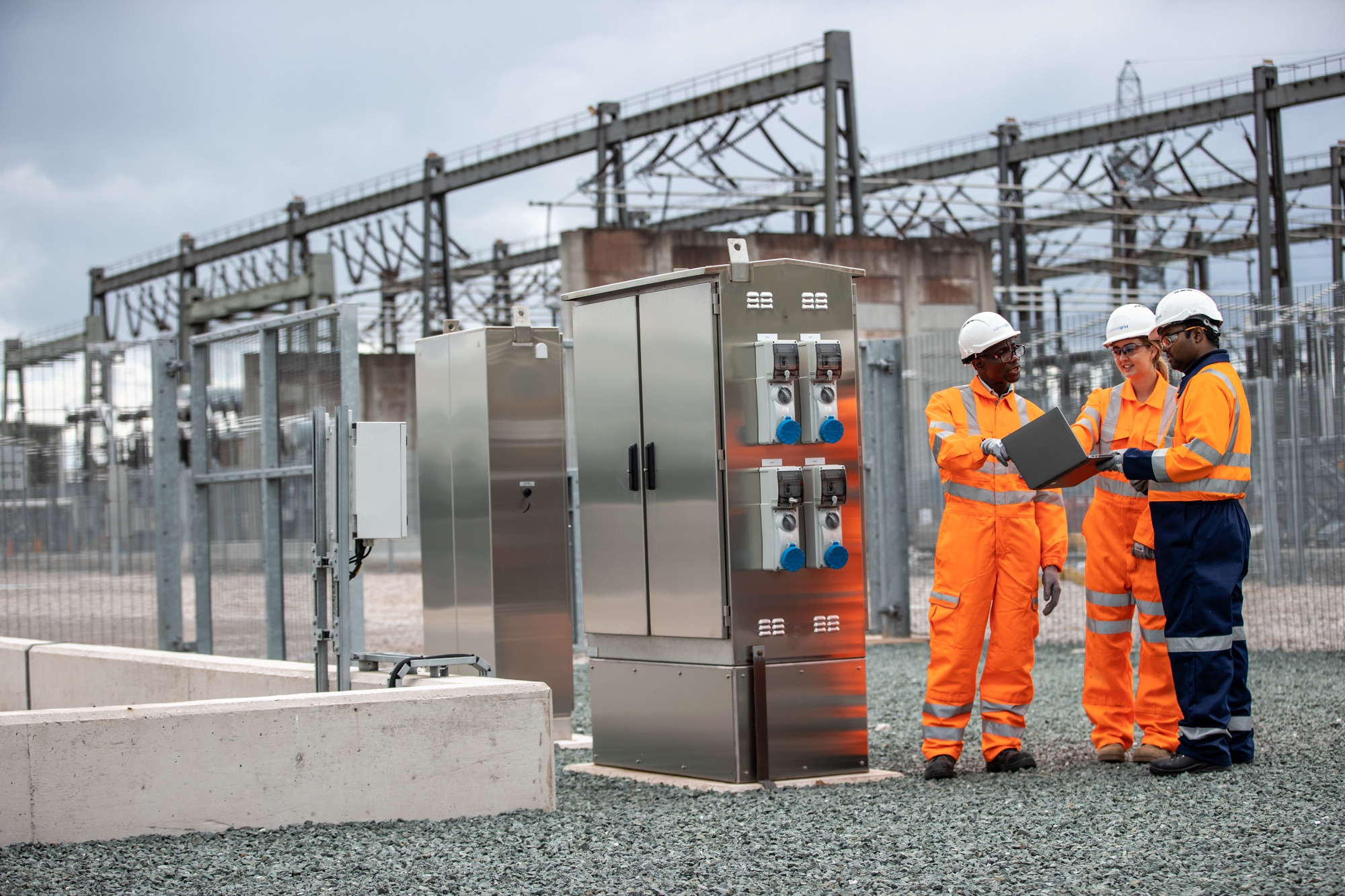
On the electrical side, IPTO must coordinate the DC link with the alternating-current networks at both ends. Protection settings, fault clearance, system restoration procedures and the operating strategy for local generators will have to reflect the new power path. Those arrangements affect whether the interconnection delivers the intended reliability gains under routine operating conditions and when an element of the system is unavailable.
Tourism adds pronounced seasonal demand to island power systems, while ports, commercial activity and transport electrification create further load requirements. CINEA expects the investment to improve security of supply and support sustainable tourism and economic diversification; it also forecasts 40 permanent jobs associated with phase one. The scale and timing of those benefits depend on completion of the funded connection and its subsequent operation.
The next delivery milestones are the procurement, construction and commissioning of the Corinth–Kos cable and two converter stations. Separate AC links to Rhodes and Karpathos will determine when the wider Dodecanese programme can end the islands’ electrical isolation. The €228.9m grant strengthens the first phase’s funding position while leaving those engineering and commissioning stages ahead.