IN Brief:
- The Thorpe Thewles battery project is rated at 240MW/960MWh.
- Its four-hour duration places it above the shorter-duration configuration of many existing UK batteries.
- Planning approval advances the project, although connection, procurement, financing, and construction remain outstanding.
Starlight Energy has secured planning consent for a 240MW/960MWh battery energy storage system near Stockton-on-Tees.
The Thorpe Thewles project will provide four hours of storage at its full rated output, making it the largest battery development advanced by Starlight in the UK. It also joins a growing pipeline of British projects designed around durations longer than the one- and two-hour configurations that characterised earlier deployment.
Starlight is the development arm of NextEnergy Group and operates across the UK, Canada, Greece, Italy, and Romania. Its global development portfolio stood at approximately 7GW in April 2026, including around 850MW of UK solar and 250MW of UK storage assets.
With 960MWh of energy capacity behind a 240MW connection, Thorpe Thewles will be able to sustain maximum discharge across a four-hour period. That configuration supports longer evening peaks, wider wholesale-price spreads, balancing, reserve, and periods when renewable output and demand diverge for several consecutive hours.
Planning consent establishes permission for the physical development, although the project must still progress its grid connection, detailed design, financing, equipment procurement, construction contracts, and route to market before work can begin.
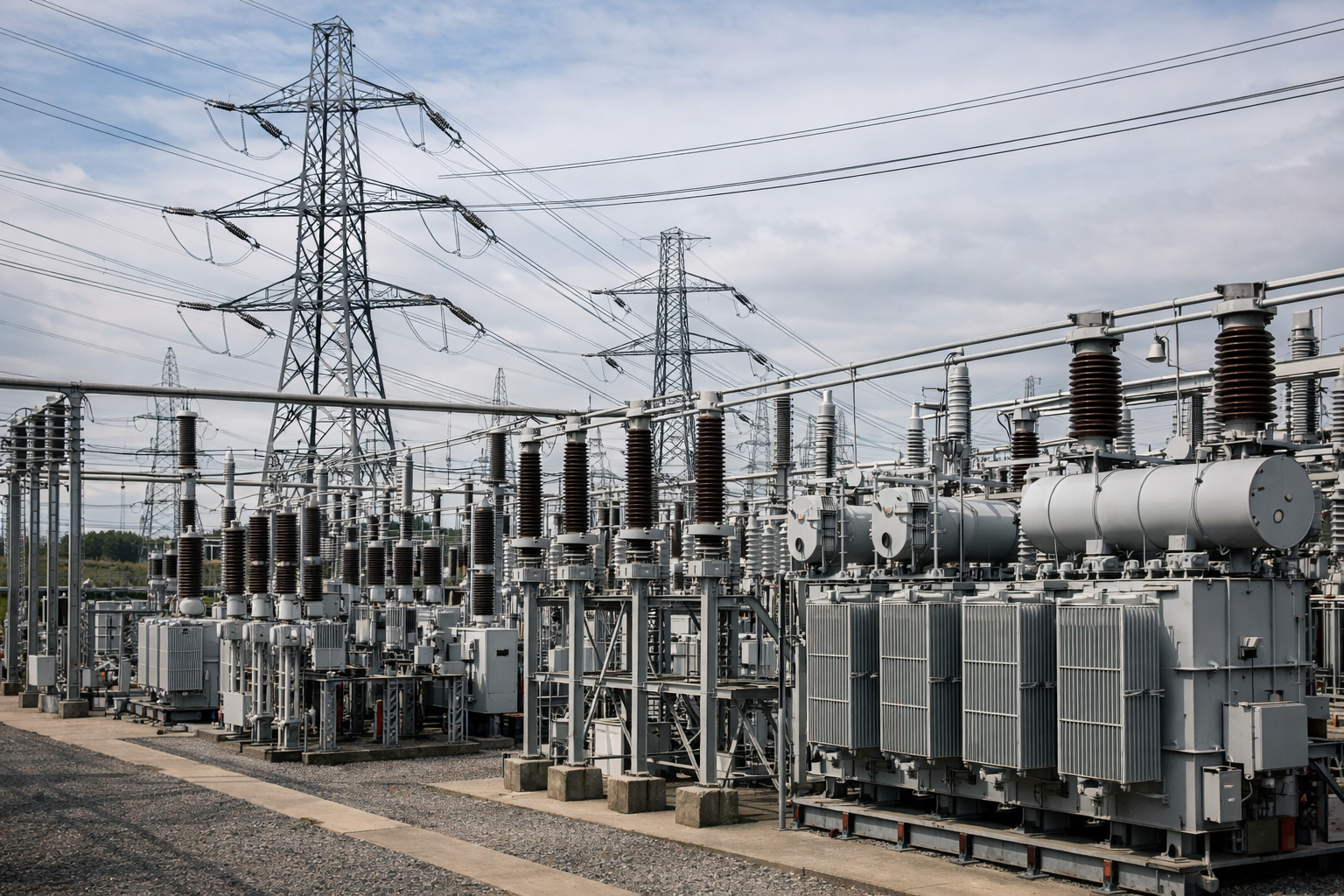
The electrical installation will include battery enclosures or containers, bidirectional inverters, medium-voltage collection circuits, transformers, switchgear, metering, protection, control systems, auxiliary supplies, and a high-voltage connection compound. Fire detection, ventilation or cooling, drainage, acoustic treatment, emergency access, and site security will be incorporated into detailed design.
Storage duration changes the operating proposition
Power rating and stored energy serve different system requirements. Megawatts determine how rapidly an asset can import or export electricity, while megawatt-hours determine how long that output can be sustained. Thorpe Thewles combines a large grid connection with sufficient battery capacity to operate at maximum discharge for four hours.
Longer duration requires additional battery modules behind the same power-conversion equipment, increasing capital cost and land requirements. The commercial case relies on the extra energy capacity securing sufficient value through longer dispatch periods, capacity payments, deeper price spreads, reduced cycling constraints, or access to services requiring sustained output.
Britain’s storage market is developing a broader range of durations. Shorter batteries remain well suited to rapid balancing and frequency response, while four-hour lithium-ion projects can cover longer peaks. Pumped hydro, flow batteries, compressed air, and alternative chemistries are being developed for still longer periods.
The acquisition of Scottish zinc-based long-duration projects reflects that widening technology mix, with different storage systems competing across distinct discharge periods, cycle requirements, and operating profiles.
Grid access remains one of the most significant constraints on the battery pipeline. Storage both imports and exports power, requiring studies across charging and discharging conditions, while some developments accept non-firm arrangements that restrict operation during local constraints.
Revenue conditions have also changed as installed capacity has increased. Prices in some ancillary-service markets have declined, encouraging operators to combine balancing, wholesale trading, capacity services, and constraint management through increasingly sophisticated dispatch systems.
A four-hour asset offers a wider operating range, but it also requires careful management of state of charge and battery degradation. Equipment selection must account for expected cycling, warranty limits, augmentation, ambient temperatures, cooling demand, and possible changes in market use over the life of the project.
Thorpe Thewles sits within a region experiencing industrial investment, renewable generation growth, and changing electricity demand. Its contribution to local and national operation will depend on the precise connection point, dispatch strategy, market access, and any restrictions imposed by the surrounding network.
Britain’s consented storage pipeline is considerably larger than the capacity currently under construction, and projects will continue to compete for connections, equipment, financing, and viable revenue forecasts. Planning approval moves Thorpe Thewles forward, but final investment approval and major equipment orders will provide a clearer indication of its construction timetable.
Once operational, its utilisation, cycling pattern, availability, and market revenues will help establish whether four-hour lithium-ion storage becomes a standard configuration for the next phase of British battery deployment.