IN Brief:
- ERP North has commissioned a 50MVA power transformer, raising Maksuda substation's installed capacity from 75MVA to 125MVA.
- The project includes a new 110kV bay, connections to existing 20kV equipment, and additional distribution switchgear.
- The reinforcement improves operational flexibility and supports N-1 supply security arrangements for industrial and residential areas of Varna.
Electrodistribution North (ERP North) has commissioned a 50MVA transformer at Maksuda substation in Varna, Bulgaria, increasing the site’s total installed transformer capacity from 75MVA to 125MVA following an investment of more than €1.5 million.
The project was completed on 29 October, with the company confirming the investment on 2 November. Additional equipment includes a new 110kV bay, connections to the existing enclosed 20kV distribution system and further 20kV switchgear.
The completed reinforcement increases installed transformer capacity by approximately 67%, providing additional electrical infrastructure for Varna’s Western Industrial Zone and the residential districts of Vladislavovo and Kaysieva Gradina. ERP North expects the investment to improve the reliability of supply and accommodate further customer connections as electricity demand changes.
Maksuda now has three power transformers with a combined installed rating of 125MVA. The additional unit increases the apparent power that can be transferred between the high-voltage network and the distribution system, although the usable capacity remains subject to the ratings of connected equipment and the substation’s operating configuration.
Apparent power is measured in megavolt-amperes and accounts for both active and reactive power. It differs from the megawatt rating used to express active electricity demand or generation, so the full 125MVA transformer rating cannot be treated as an equivalent amount of deliverable active power under every operating condition.
The amount of active power that can be supplied depends on the power factor of connected loads, transformer operating limits and the electrical capacity of the surrounding network. Distribution planning must also allow for changes in demand over time and the need to maintain acceptable voltage conditions during normal operation.
Industrial customers can impose substantial and variable electrical loads through motors, production machinery, heating systems, compressors and other equipment. The combined demand can change with production schedules, while the starting and operation of large electrical machinery may introduce additional requirements for voltage regulation and network performance.
Residential demand has a different operating profile, with consumption influenced by occupancy, weather and the use of electrical equipment. A substation supplying both industrial and domestic areas must accommodate their combined demand patterns while maintaining suitable operating margins across transformers, switchgear and outgoing feeders.
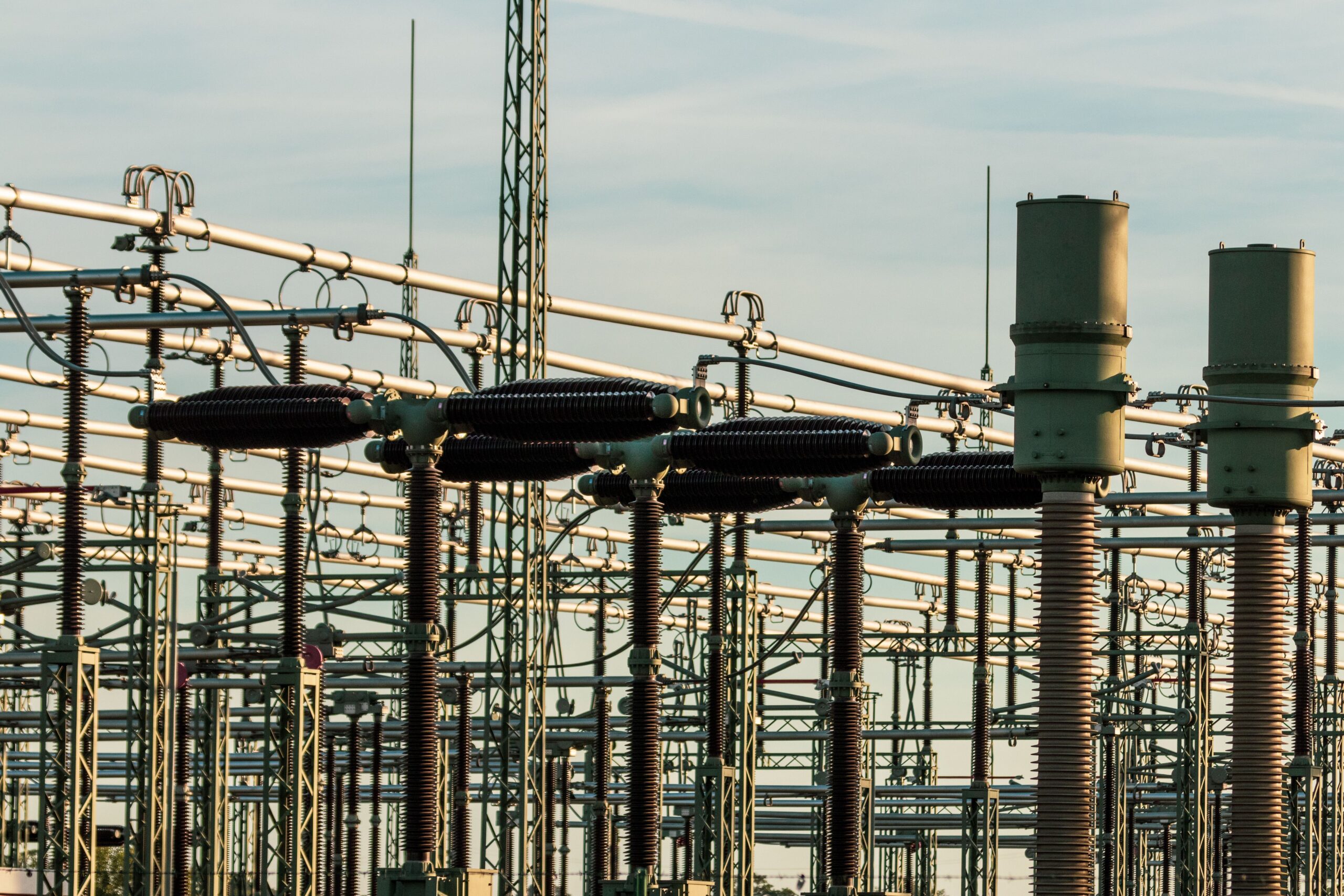
The new 110kV bay provides the high-voltage connection and switching arrangements needed to integrate the transformer into the substation. Such equipment must be selected to withstand the relevant operating voltage, load currents and prospective fault conditions, while allowing individual circuits or components to be isolated when required.
On the distribution side, the additional 20kV switchgear supports the connection of the transformed electricity to local feeders. Switchgear controls and protects electrical circuits, working with protective relays and other devices to identify abnormal conditions and disconnect affected equipment.
Integrating a new transformer also requires the protection arrangements to be coordinated with the existing electrical system. Transformer impedance, fault levels, circuit configuration and connected loads influence the behaviour of protective equipment, making the interaction between new and established components an important part of the engineering work.
Transformer installation introduces mechanical and electrical requirements beyond the placement of the unit itself. Connections must be suitable for the equipment’s ratings, and the associated insulation, cooling, earthing and protection arrangements must be established before the transformer is placed into regular service.
Commissioning provides the opportunity to verify that the completed installation meets its operating requirements. Relevant checks can include electrical insulation, protection functions, control interfaces and equipment connections, with the precise programme determined by the transformer specification and the distribution operator’s procedures.
The Maksuda investment also supports operation under the N-1 security criterion. This principle assesses whether the electricity system can continue providing the required service following the loss of a single defined component, using the remaining equipment and available alternative supply arrangements.
Additional transformer capacity can improve the ability to transfer load when another transformer is unavailable. The actual amount of demand that can be maintained depends on which component is out of service, the capacity of the remaining transformers and the permissible operating conditions of the connected network.
ERP North identifies improved N-1 performance as one of the project’s intended benefits. The three-transformer arrangement provides greater flexibility for managing equipment outages and distributing electrical loading, although the aggregate installed rating of 125MVA should not be confused with the firm capacity available after the loss of the largest unit.
Load transfer capability is particularly relevant to planned maintenance as well as equipment faults. Where suitable spare capacity and switching arrangements exist, parts of the distribution system can be supplied through alternative equipment while maintenance or repair work takes place.
The expansion also creates additional opportunities for connecting electricity customers. New industrial or residential connections still require individual assessments of network loading, voltage conditions, fault levels and the characteristics of the proposed demand, but the increased transformer capacity provides greater scope for accommodating those requirements.
ERP North operates electricity distribution infrastructure in northeastern Bulgaria and forms part of the Energo-Pro group. The company’s network serves a combination of urban, industrial and other customers whose electricity requirements depend on reliable transformation and distribution infrastructure.
The Maksuda investment adds both transformer capacity and associated high-voltage and medium-voltage equipment to that network. These components must operate together to provide the necessary switching, protection and power transfer functions, with the new transformer giving operators greater flexibility in managing electrical loads.
With the additional 50MVA unit commissioned, Maksuda has increased its installed capacity to 125MVA and strengthened the electrical infrastructure serving the surrounding industrial and residential districts. The completed reinforcement forms part of ERP North’s programme to maintain supply reliability while accommodating future demand growth across its distribution area.