IN Brief:
- Cadeler has signed a firm contract to support installation of 87 turbines at the 1.2GW Dogger Bank C wind farm.
- Its new Wind Apex vessel is expected to enter the project in the third quarter of 2027 alongside Seaway Ventus.
- The third phase forms part of a 3.6GW project developed by SSE for SSE, Equinor and Vårgrønn.
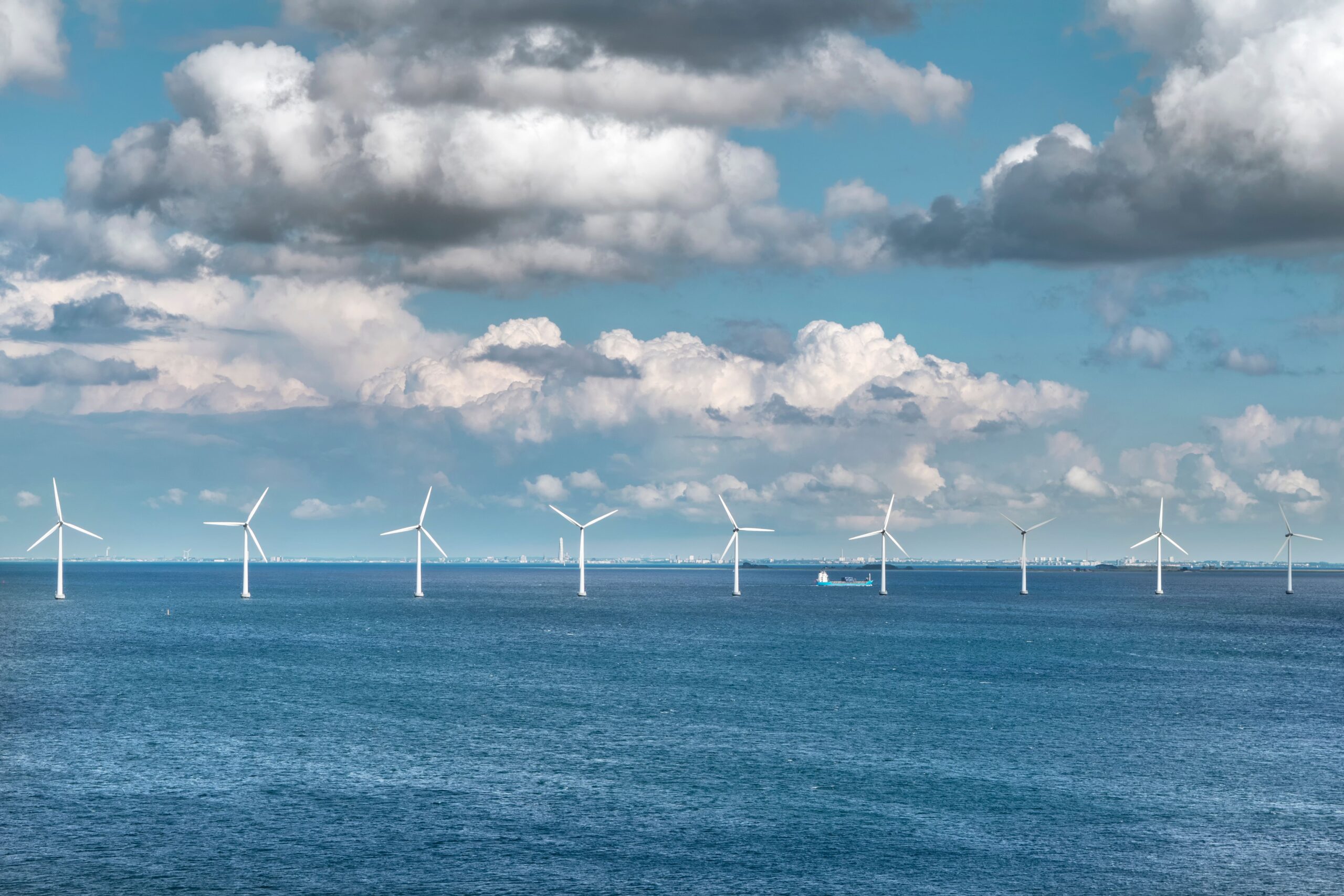
Cadeler has signed a firm contract to provide a second turbine installation vessel for Dogger Bank C, the third 1.2GW phase of the offshore wind development being built off the north-east coast of England. Its newbuild Wind Apex is expected to join the installation campaign during the third quarter of 2027, working alongside the project’s existing Seaway Ventus installation vessel.
Wind Apex is Cadeler’s third A-class vessel, after Wind Ally and Wind Ace, and Dogger Bank C is scheduled to be its first assignment after delivery from the shipyard. The ship will supplement Seaway Ventus rather than replace it. Both companies describe the work as supporting the transportation and installation of the phase’s 87 turbines, without allocating a published number of individual lifts or turbine sets to each vessel.
Dogger Bank is being developed in three 1.2GW phases, designated A, B and C, giving the wider project 3.6GW of planned capacity. It is located approximately 130km from the north-east English coast. SSE leads development and construction for a joint venture owned by SSE with 40%, Equinor with 40%, and Vårgrønn with the remaining 20%. Equinor is expected to operate the wind farm once construction is complete.
The contract adds capacity for offshore turbine transportation and erection; it is not a new generation consent, array-cable contract or change to the 1.2GW rating of Dogger Bank C. SSE says Wind Apex may also help complete remaining work across the other phases. The eventual division of tasks will depend on vessel availability, turbine delivery schedules and which offshore work areas are ready for installation.
A jack-up installation vessel extends legs to the seabed and elevates its hull for a stable platform during suitable lifting conditions. It must position its crane and deck cargo to suit the mass, dimensions and centre of gravity of the turbine components being lifted. Final lift plans also depend on the local seabed and weather conditions, the completed foundations and the sequence in which equipment arrives at the project.
Cadeler describes its A-class design as combining substantial deck capacity with high crane capability for large offshore foundations and turbines. These features can reduce transport cycles in a particular campaign, but a vessel’s nominal crane capacity cannot on its own establish how many complete turbines it will install per trip. At a site around 130km offshore, port turnaround, component availability and weather windows also determine how much installation work can be completed.
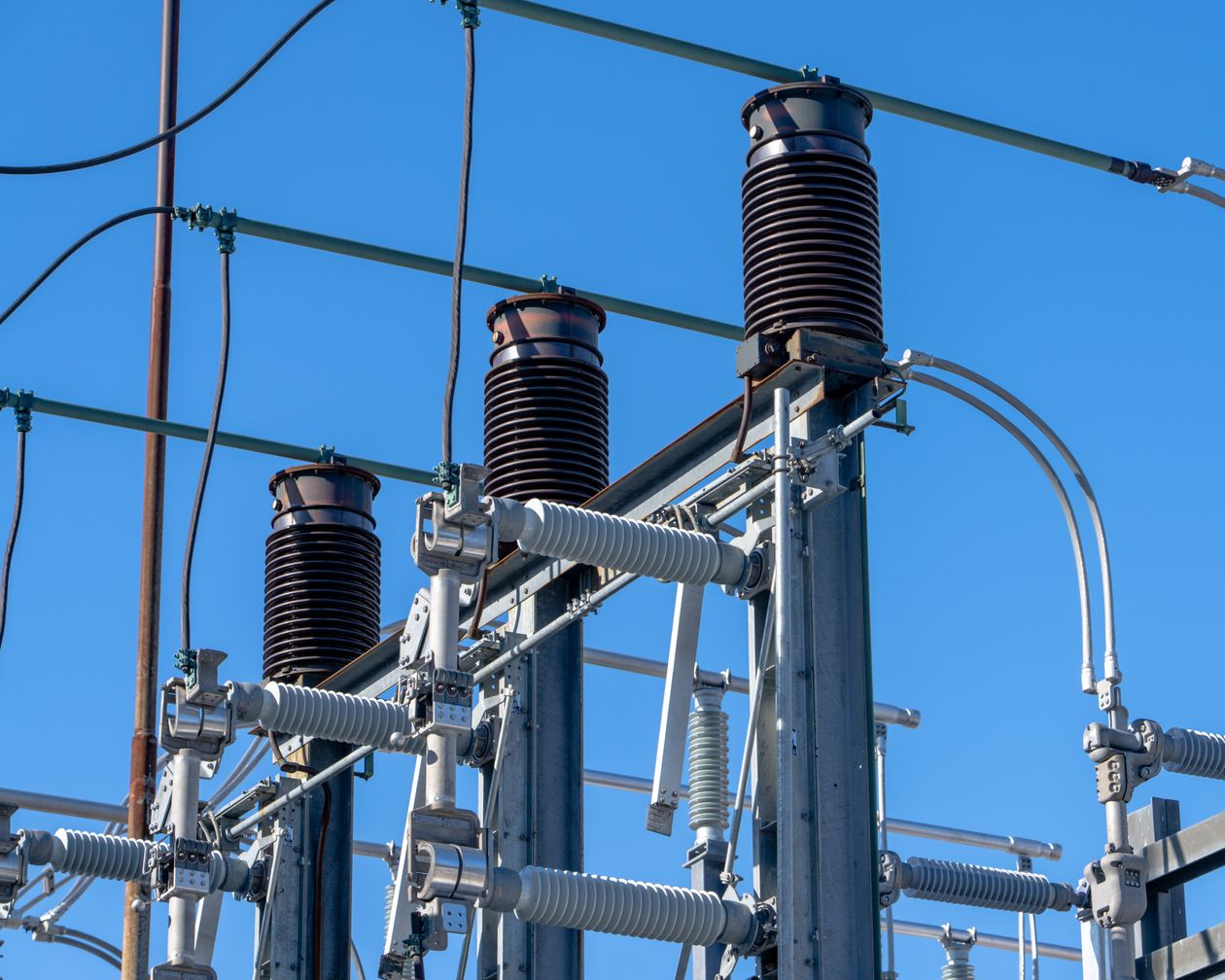
After a turbine has been lifted onto its foundation, its mechanical systems, electrical connections and protective equipment still need to be checked before the machine can supply power. Array cables collect the turbines’ output for transfer through the wider offshore electrical system and export circuits. As a result, erection of the 87 machines is a different milestone from their energisation, commissioning and eventual commercial generation.
Two installation vessels could work on separate turbines during suitable weather, provided they have access to completed foundations and incoming component shipments. More vessel capacity also increases the need to coordinate marine traffic, offshore safety zones and simultaneous construction activities. Neither SSE nor Cadeler has quantified the schedule benefit or announced a revised overall completion date arising from the agreement.
Cadeler and the Dogger Bank developers have previously worked together on major UK offshore projects. The vessel contractor has participated in installation activity at Beatrice and Seagreen, and is also scheduled to work on the Bałtyk 2 and Bałtyk 3 offshore developments in Poland. The newest agreement expands that relationship to another phase of one of Britain’s largest generating infrastructure programmes.
Dogger Bank C follows foundation installation work that has already been completed across the wider development. The contractor must now integrate vessel mobilisation with turbine manufacture, marshalling, offshore installation and subsequent electrical commissioning. The other two Dogger Bank phases form part of that scheduling picture because Wind Apex is also expected to be available for remaining work across the project.
SSE says the completed 3.6GW wind farm will be capable of producing enough electricity annually to meet the equivalent demand of around six million UK homes. That calculation is an annual electricity-equivalence estimate rather than a guarantee of generation at a fixed output in any particular hour. Electrical production will vary with wind conditions, equipment availability and network export constraints.
The firm Wind Apex contract is therefore a delivery commitment with a defined planned mobilisation window, rather than evidence that the vessel is already installing turbines. Its first deployment is scheduled from the third quarter of 2027 after shipyard delivery. Installation performance and the timing of first generation will depend on the construction and commissioning programme that follows.