IN Brief:
- EDF power solutions has started commercial operation of Açu Transmissora in Rio de Janeiro state, its first Latin American transmission asset.
- The project includes a 345/138kV Porto do Açu substation and around 40km of transmission line joining the Campos system.
- Partial energisation took place in October before the November commissioning milestone and integration into Brazil’s National Interconnected System.
EDF power solutions has started commercial operation of Açu Transmissora, a new high-voltage transmission asset in Brazil’s Rio de Janeiro state. The project combines a step-down substation serving the Porto do Açu area with approximately 40km of line connecting to the Campos network. EDF identifies it as the group’s first transmission asset in Latin America and its first operating Brazilian electricity transmission concession.
The infrastructure spans São João da Barra and Campos dos Goytacazes and is integrated into Brazil’s National Interconnected System, or SIN. It is intended to support electricity supply for the industrial and logistics activity around Porto do Açu and the wider Northern Fluminense region. EDF has not given a separately verified megawatt transfer rating for the completed facilities or a final construction cost in its 3 November commissioning confirmation.
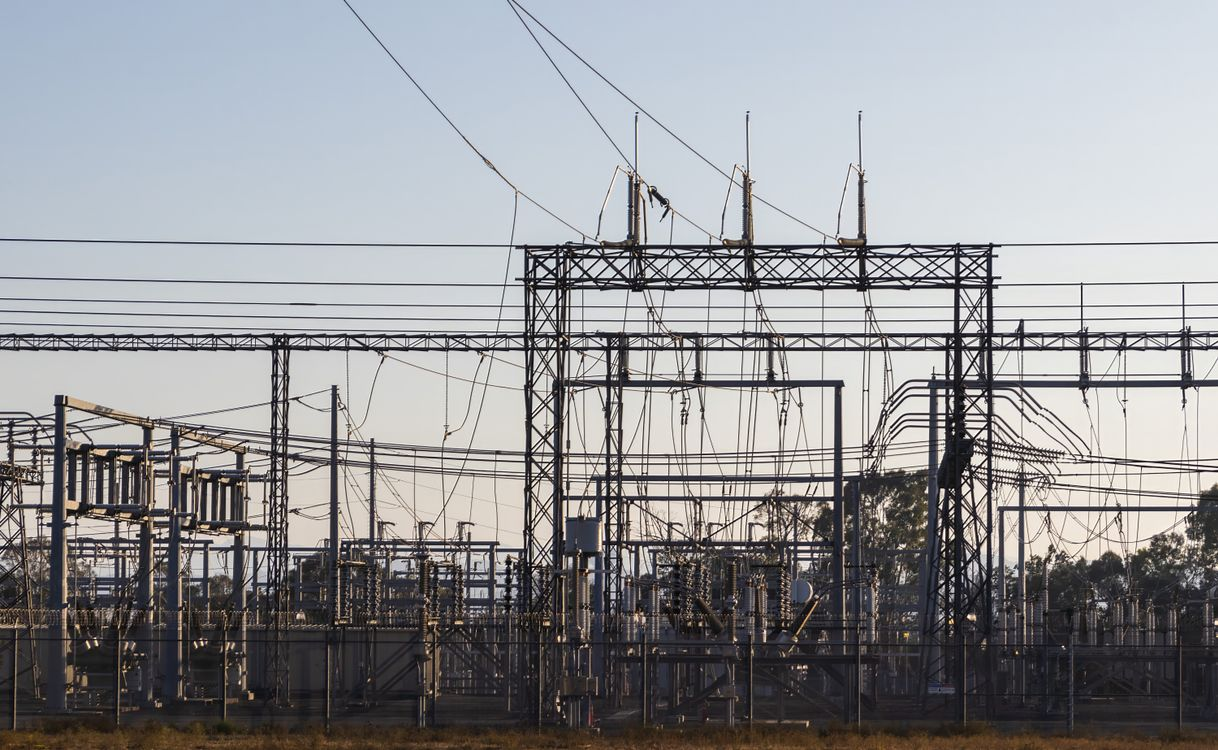
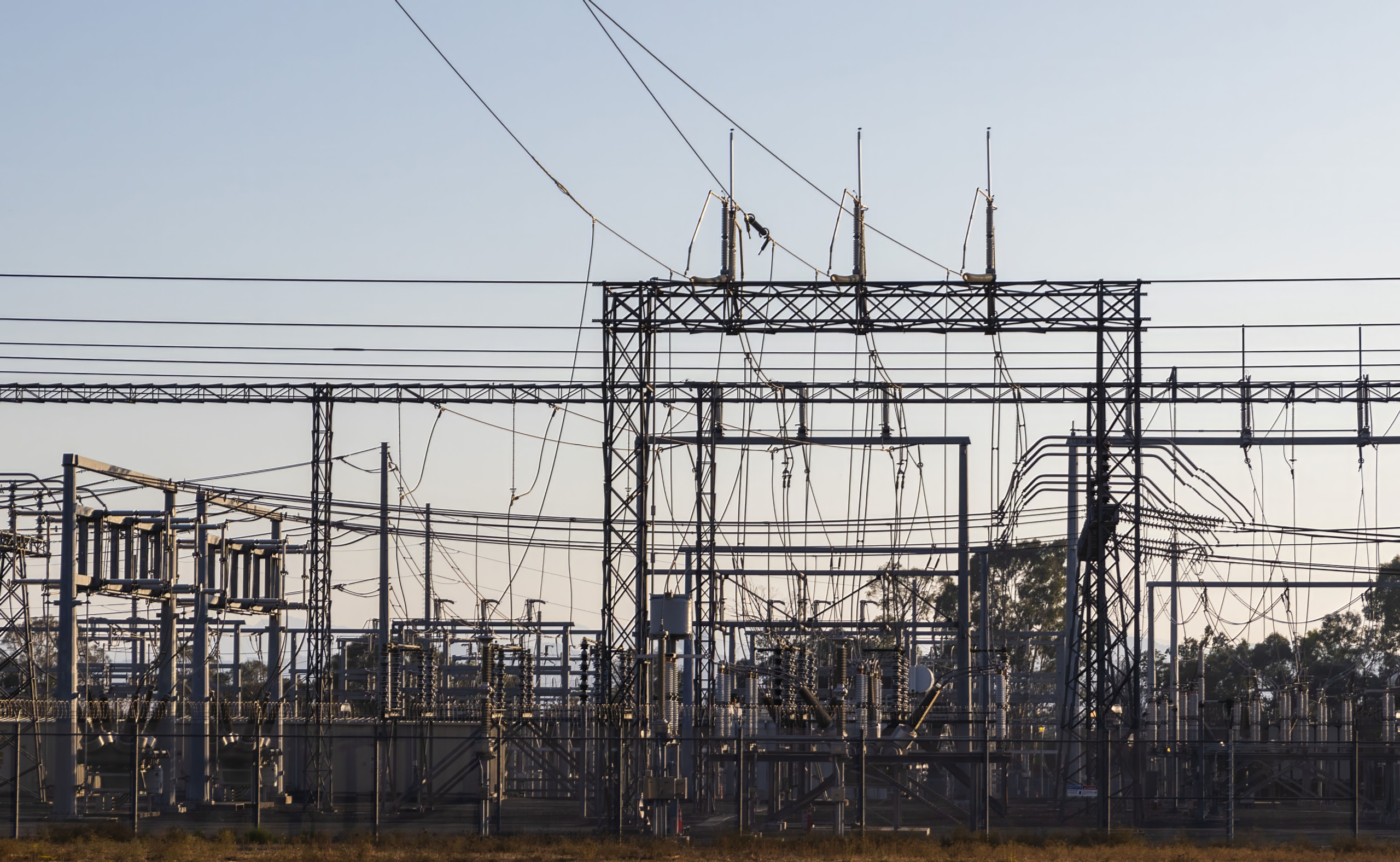
The Porto do Açu substation operates at 345/138kV, providing transformation between transmission voltage levels. A transformer changes voltage and current in the circuit; it does not generate electricity, and the amount of power that can be transferred is constrained by transformer ratings, line limits, protection arrangements and conditions elsewhere on the system. EDF has not provided a load-by-load allocation showing which industrial users will receive additional supply as a result of the project.
EDF secured the concession through Brazilian regulator ANEEL’s 2022 transmission auction. The scheme includes the new substation and sectionalisation of the existing 345kV Campos–GNA transmission line, creating the required network connections. Bringing a new node into an operating high-voltage system requires coordination of circuit protection, switching arrangements, metering, communications and electrical tests, rather than simply completing the physical line and substation structures.
On 13 October, EDF completed sectionalisation of the first Campos–GNA circuit and began partial energisation. That update described the asset as being in the final preparation stage before full commercial operation. The later 3 November confirmation records the operating concession milestone. The distinction is important because testing and controlled energisation can precede final acceptance and entry into regulated service without the whole project already being commercially available.
Commissioning a transmission substation requires more than switching on a transformer. High-voltage equipment must be inspected and tested, instrument transformers and metering checked, protection relays configured, and communications confirmed with the network operator. The switching sequence is then performed under controlled arrangements to avoid unsafe interactions with existing circuits. EDF has not published a full test record or a list of the individual items energised at each stage.
The Port of Açu industrial and logistics complex is a substantial potential electricity user, with demand from motors, processing facilities, cooling and auxiliary services. A new high-voltage supply route can offer additional network options for such loads, although actual connections require the appropriate technical studies and commercial arrangements. Neither the EDF commissioning note nor the earlier energisation release identifies a list of new customers or a schedule for their energisation.
Brazil’s interconnected network is geographically extensive and includes generation from several different sources. Transmission links are used to move electricity between generating regions and centres of consumption, but bottlenecks can arise where line and transformer capacity is limited. Reinforcing those pathways can create additional options for allocating power to large users. The actual operating benefit of one new link depends on load forecasts, electrical topology and how the wider network is dispatched.
Rio de Janeiro state has recognised the transmission scheme as strategically important and declared it of public utility, according to EDF. The designation supports development of network infrastructure but does not establish that any specific future industrial facility or generator will be built. The electrical benefits of the new substation will ultimately depend on network operation, available capacity, demand growth and connections at the relevant voltage levels.
EDF is working with Reserva Caruara on an environmental compensation programme covering approximately 30,000 square metres of coastal forest restoration, using native plants from the reserve’s nursery. This work accompanies construction of the grid asset. It is not a description of renewable generation from the project itself: Açu Transmissora transmits electricity and should not be counted as additional generation capacity.
EDF’s existing Brazilian activity includes hydroelectric, wind and solar generation. Commercial operation of Açu Transmissora adds a concession-based transmission function, with a different operating and regulatory model from selling electricity generated at an EDF-owned power station. The transmission asset forms part of the shared network used to move electrical energy, rather than representing an additional generation installation.
The commissioned 345/138kV facility follows a defined sequence from October circuit integration and partial energisation to November commercial operation. EDF now has to operate and maintain the concession asset as part of the interconnected network. The company has not announced additional transmission-capacity upgrades or new customer commissioning dates beyond this completed project.