IN Brief:
- The Energy Independence Bill proposes changes to consents and land rights used for British electricity-network construction and maintenance.
- Measures cover necessary wayleaves, section 37 overhead-line approvals, access to private land and streets, and vegetation management.
- The government cites potential 2030 constraint-cost savings of about £4bn if critical transmission projects can be delivered without delay.
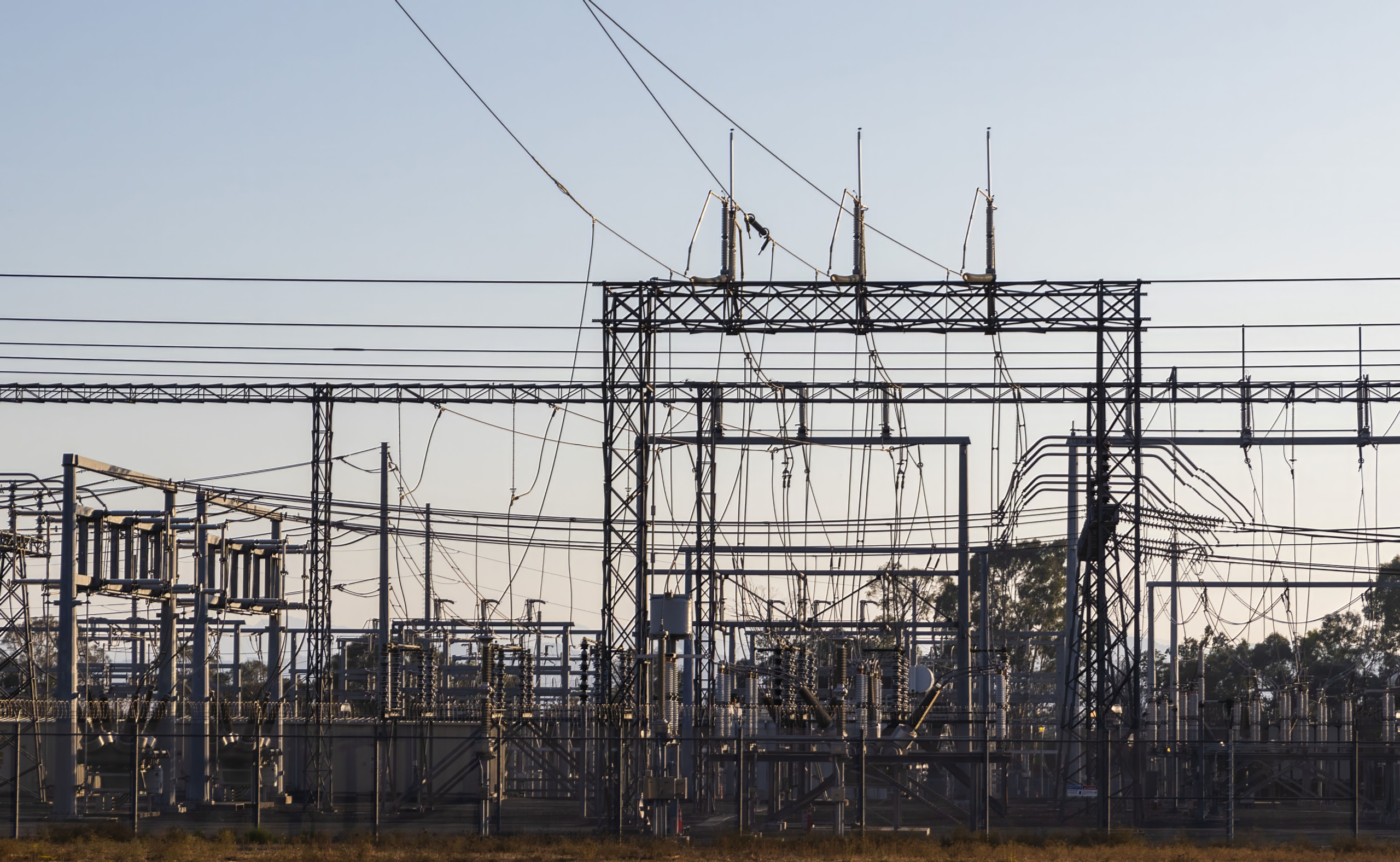
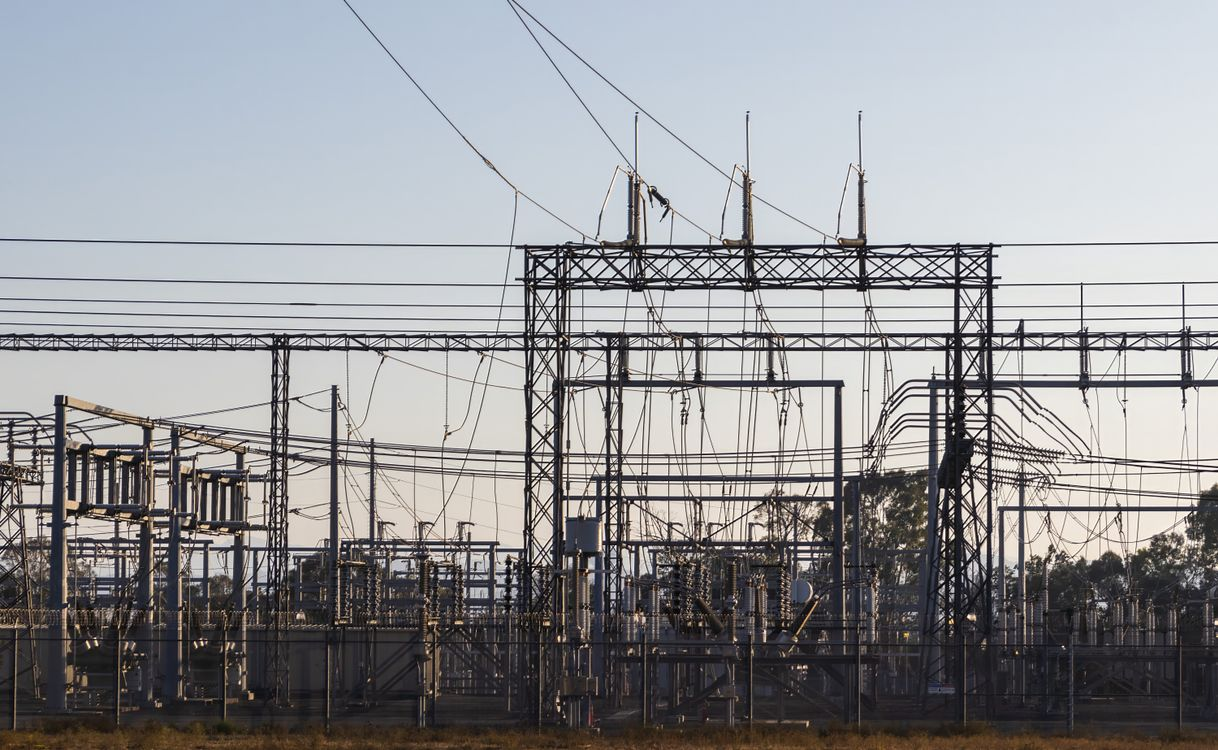
The Energy Independence Bill introduced to Parliament on 4 November includes proposals to reform the consenting and access arrangements used by electricity network operators. The Department for Energy Security and Net Zero wants to change procedures affecting new and existing transmission and distribution infrastructure, including overhead lines, underground cables and maintenance access. The proposed powers have not been enacted and cannot yet be exercised on the strength of the Bill alone.
The measures encompass necessary wayleave applications, section 37 overhead-line consents under the Electricity Act 1989, access to premises, work in private streets and vegetation management. They follow a public consultation and government response published before introduction of the Bill. Ministers say the intent is to make lower-impact works easier to progress while maintaining safeguards for landowners, communities and the environment; the detailed legal effect will depend on the legislation passed and its commencement provisions.
Electricity licence holders generally need a suitable land right to install or retain equipment on private property. Where a negotiated agreement cannot be concluded, an application for a necessary wayleave may be required to secure the right to keep a line in place. Changes to the application process could alter the time and evidence needed for a decision, but they would not eliminate the need to establish whether a compulsory right is justified in the circumstances of a particular route.
Under section 37 of the Electricity Act 1989, consent is required for many overhead line works unless an exemption applies. The proposals seek to make the rules more proportionate for specified changes considered lower impact. That is not a blanket exemption for new transmission corridors: environmental assessments, designated-landscape protections and other relevant consents would still need to be addressed under the applicable legal arrangements.
Work beneath a private street can be delayed where ownership and street-authority permissions are fragmented, even when the cable route is technically straightforward. The reform package proposes a clearer statutory basis for qualifying electricity works in such streets, subject to the safeguards ultimately adopted. It does not remove every land right or allow a network operator to extend works onto adjoining private property without considering separate access requirements.
Land access powers are being considered for repair, alteration and specified upgrades to electricity infrastructure, including circumstances where the equipment is approached across a separate parcel of land. Operators often need physical access to working sites before a line or substation can be modified; the right to own or operate a cable does not automatically resolve every access route. The proposals seek to clarify those situations while retaining limits and compensation for loss or damage.
Vegetation close to overhead conductors can reduce clearance distances or cause faults during high winds, creating safety risks and interruptions. The proposals seek to modernise how network operators obtain access and carry out necessary clearance work. The government says protections for owners and the environment will be retained, but the final scope of notice, compensation and permitted work should be taken from the enacted provisions and supporting regulations rather than assumed from the policy summary.
The technical effects of a delay depend on where a network reinforcement sits in the power system. A line linking generation to a constrained transmission boundary may restrict the volume of electricity that can flow between regions. When that restriction binds, the National Energy System Operator can be required to pay one generator to reduce output while procuring power elsewhere. These balancing actions contribute to constraint costs and can continue even when enough electricity could be generated nationally.
NESO modelling cited by the government suggests that bringing critical transmission schemes forward and avoiding delays to the wider network build could reduce constraint costs in 2030 by approximately £4bn relative to a delayed-development scenario. That is a conditional system-wide comparison, not a cash saving demonstrated by the Bill or an estimate attributable to any one of its consent provisions. Achieving it also depends on equipment, labour, design, construction and commissioning arriving in time.
Transmission and distribution are affected differently. Large transmission routes require extensive design, environmental assessment, land access and specialist equipment, often across several local authority areas. Distribution schemes can involve a much larger number of shorter works at lower voltage, such as changing overhead line arrangements, reinforcing a local feeder or installing new cables for industrial connections. Reducing administrative friction can be useful in both cases, but cannot remove physical construction constraints.
The government argues that electricity demand could double by 2050 and that Britain needs a substantially faster pace of network expansion. Grid investment must also account for new generating locations, storage, transport electrification and data centre loads, all of which can shift the pattern of demand and power flows. Regulatory changes alone do not decide which projects should proceed; network planning and project-level investment decisions remain separate steps.
The Bill must complete Parliamentary scrutiny before its provisions can become law, and implementation may require later regulations and guidance. Network owners must meanwhile continue to secure the permissions that apply today. The proposed legal changes could alter access and consenting processes for construction and maintenance, but their effect on project completion dates has not been measured.