IN Brief:
- Endra is developing a 35MWp solar plant with a 5MW/10MWh battery at Hanko in southern Finland.
- Solarigo Systems is EPC contractor, with the photovoltaic plant expected to generate around 35GWh annually.
- Construction has started on land previously used for vehicle storage, with completion scheduled during 2028.
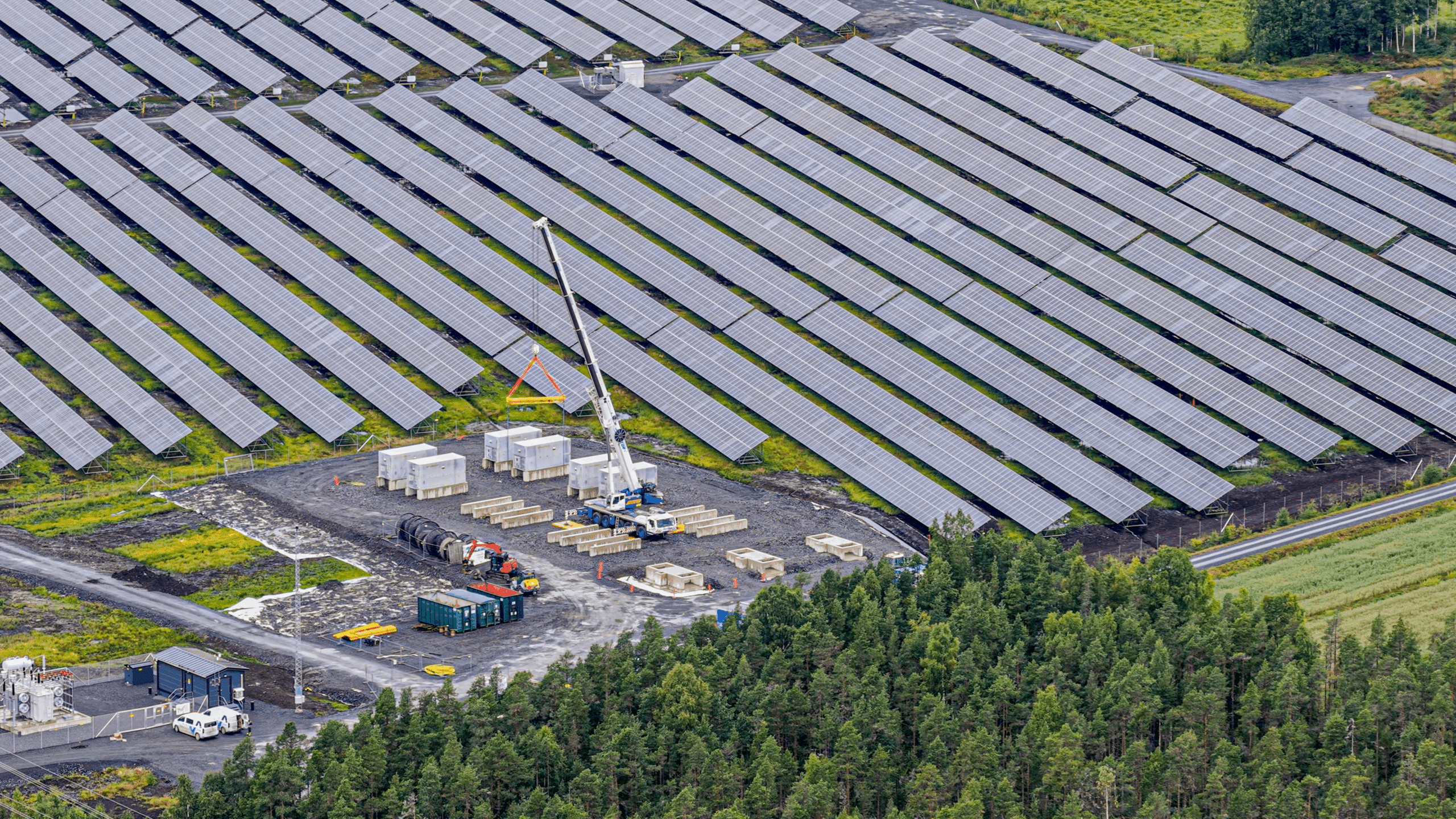
Endra has started construction of a 35MWp solar and battery hybrid energy park at Hanko in southern Finland, combining utility-scale photovoltaic generation with a 5MW/10MWh battery energy storage system. The project is scheduled for completion during 2028.
Finnish energy company Solarigo Systems is acting as engineering, procurement and construction contractor, with responsibility for design, procurement and construction. The development is being built on land previously used for vehicle storage, returning an already modified industrial site to productive use for electricity generation.
The photovoltaic plant is expected to generate around 35GWh of renewable electricity each year. Actual annual output will depend on irradiance, equipment availability, inverter performance, electrical losses and any periods of curtailment, but the forecast places the project firmly in Finland’s emerging utility-scale solar market rather than the smaller commercial installations that dominated earlier deployment.
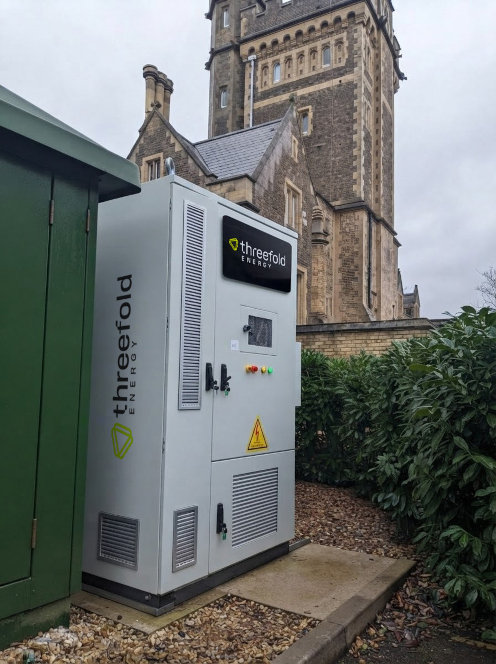
The battery is rated at 5MW with 10MWh of stored energy, giving a nominal two-hour duration at full output. It is substantially smaller than the solar plant in power terms and is not intended to absorb an entire day’s photovoltaic production. Instead, it gives the hybrid site a controllable block of capacity that can shift selected energy between periods and participate in electricity and reserve markets.
That operating role is central to the hybrid configuration. Solar generation follows daylight and weather, while the battery can charge or discharge according to market conditions, reserve commitments and the physical limits of the connection. Coordinating the two through one plant-control architecture gives the developer more flexibility than treating the battery as an unrelated standalone asset beside the solar array.
Solarigo says the storage system will allow electricity to be retained and used when conditions in the market or power system make that more valuable. The battery can also help smooth differences between instantaneous photovoltaic production and the output profile presented to the grid, although its two-hour energy capacity places a clear limit on the amount of generation that can be shifted.
The electrical design therefore has to manage several operating states. Solar generation can be exported directly, used to charge the battery, or potentially curtailed if the connection reaches its limit. The battery can discharge while solar output is low or provide reserve capacity, but its state of charge has to remain sufficient for whichever obligation takes priority.
Shared infrastructure can make a hybrid project more efficient to build, but it also concentrates the control problem. Photovoltaic inverters, the battery power-conversion system, transformers, protection, metering and the plant controller must operate within one grid-connection agreement, with controls preventing the combined installation from exceeding its permitted import or export limits.
Solarigo is already gaining experience with that architecture elsewhere in Finland. Its Honkisaarenneva development at Kuortane combines a 34MWp solar plant with a 15MW/37MWh battery, where the solar installation is already operational and battery commissioning is progressing during 2026.
Hanko uses a smaller battery relative to photovoltaic capacity, so the storage system is likely to concentrate on targeted energy shifting and reserve-market participation rather than attempting to reshape the full daily solar-generation profile. A 10MWh battery can move a useful quantity of electricity, but only a fraction of the plant’s expected daily production during high-output periods.
The use of previously industrialised land is another practical feature of the development. Utility-scale solar requires substantial surface area, and converting land already used for industrial purposes can reduce pressure on undisturbed sites while still requiring new foundations, internal roads, cabling, drainage and high-voltage connection infrastructure.
Construction also has to account for the different delivery cycles of the two technologies. Solar modules and inverter blocks can be installed and tested progressively, while the battery requires separate container installation, fire-safety provisions, power-conversion equipment, protection settings and control-system testing before the full hybrid plant can be commissioned.
The EPC structure places those interfaces under Solarigo’s responsibility. That can reduce the risk of gaps between photovoltaic, battery and electrical contractors, particularly during grid-compliance testing when individual systems that have already passed factory or subsystem tests must demonstrate stable operation together.
Finland’s storage market is expanding alongside wind and solar generation, creating greater demand for assets able to move rapidly between charging and discharging. Hybrid projects add another option by combining variable generation and storage behind a coordinated connection rather than requiring each technology to be developed independently.
Construction at Hanko has now moved that model into physical delivery. By 2028, the project is expected to combine 35MWp of photovoltaic capacity and a two-hour battery on one former industrial site, with the value of the storage determined less by its size than by how effectively the control system uses those 10MWh across energy and reserve markets.