IN Brief:
- Germany had 3,172,579 intelligent metering systems installed across 54.1 million reported metering locations at 30 June 2026.
- About 765,000 systems were added during the first half, increasing the installed share by 1.5 percentage points to 5.9%.
- Bundesnetzagentur is focusing on reliable quarter-hour data transmission as the statutory rollout moves towards a 90% target for mandatory cases by 2032.
Bundesnetzagentur has recorded 3.17 million intelligent electricity metering systems in service across Germany at the end of June 2026, equivalent to 5.9% of the country’s reported metering locations. The regulator’s half-year survey covers 54.14 million locations and shows rollout accelerating as operators face tighter deployment requirements.
Approximately 765,000 intelligent metering systems were added during the first half of 2026 after correction of an error in the previous year-end aggregation. The increase raised the share of all reported metering locations equipped with intelligent systems by 1.5 percentage points over six months.
The earlier figures had included multiple counts for some locations falling into more than one mandatory installation category, including sites with photovoltaic generation above 7kW and annual consumption above 6,000kWh. Bundesnetzagentur says the correction does not affect the rollout quotas used in its current supervisory proceedings.
Those proceedings have become a significant part of the rollout programme. Since March, the regulator has opened cases against 434 companies that failed to achieve the applicable 20% threshold, including 77 operators that reported a zero per cent rollout rate. A total of 150 proceedings have subsequently been closed where companies reached the required level or responsibility for metering operations changed.
Regulatory attention is now extending beyond installation numbers to the performance of systems once they are fitted. Bundesnetzagentur says intelligent meters must reliably collect and transmit quarter-hour values to authorised parties before they provide the technical basis required for time-variable tariffs, transparent consumption information, and more efficient network control.
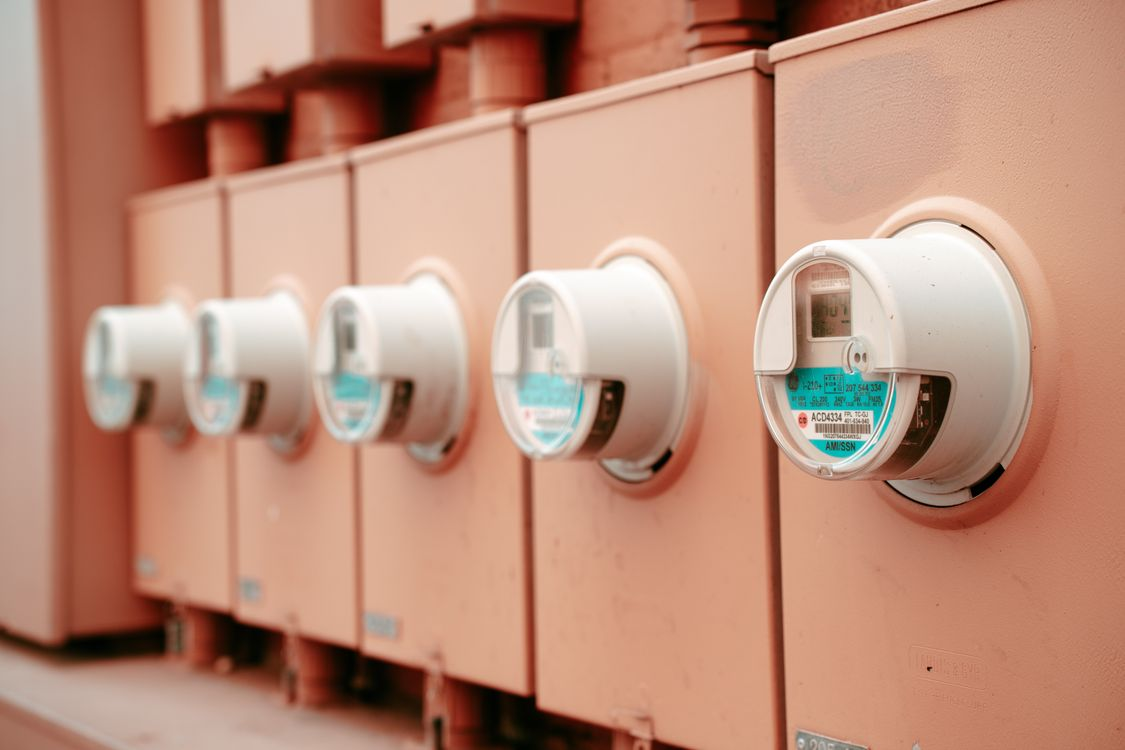
An intelligent metering system therefore depends on more than the measuring device itself. The meter, communications gateway, data connection, backend systems, security architecture, and market interfaces all have to function together, making communications reliability part of the electrical infrastructure rather than a separate billing issue.
Quarter-hour data becomes more valuable as electricity demand and generation become less predictable at distribution level. Rooftop solar, batteries, heat pumps, and electric-vehicle charging can change the power flow through a local network rapidly, while conventional periodic readings reveal little about when those changes occur.
Granular measurement does not create additional network capacity, but it supports the mechanisms used to operate constrained systems more efficiently. Time-variable tariffs can expose consumers or automated energy-management systems to changing market conditions, while verified interval data records whether demand actually moved in response.
The same communications architecture is relevant to controllable devices. Smart-meter gateways provide a secure interface through which consumption data and, where authorised, control signals can be exchanged, connecting metering with the wider digitalisation of low-voltage electricity networks.
Cybersecurity and interoperability consequently sit alongside installation rate as engineering requirements. A meter that records data correctly but cannot transmit it reliably, or a gateway that cannot communicate with market and network systems, delivers little of the flexibility expected from the programme.
The 5.9% national figure also shows the distance still to travel. At 3.17 million systems, fewer than one in 16 of Germany’s reported 54.14 million metering locations had an intelligent system installed by the end of June.
The regulatory framework moves beyond the earlier 20% milestone from the end of 2026. Greater emphasis will be placed on period-based quotas, with a longer-term target for at least 90% of mandatory installation cases to be equipped with intelligent metering systems, or intelligent systems and associated control equipment, by 2032.
Maintaining the first-half installation pace would still leave a substantial deployment programme ahead. Metering operators need equipment, qualified installers, communications infrastructure, and backend capacity while simultaneously integrating data flows with suppliers, network operators, and other authorised market participants.
Systems already installed also require continued monitoring. Communications faults, software changes, security updates, failed gateways, and inaccurate data can reduce the effective installed base even while headline deployment numbers rise, particularly where time-variable tariffs or controllable loads depend on continuous quarter-hour information.
The latest survey therefore places operating performance alongside physical rollout. Germany added roughly three quarters of a million intelligent metering systems in six months, but the next phase will be judged increasingly by whether those devices can deliver reliable data at scale as the statutory target rises towards 90% of mandatory cases by 2032.