
Electrical Engineering
—
-
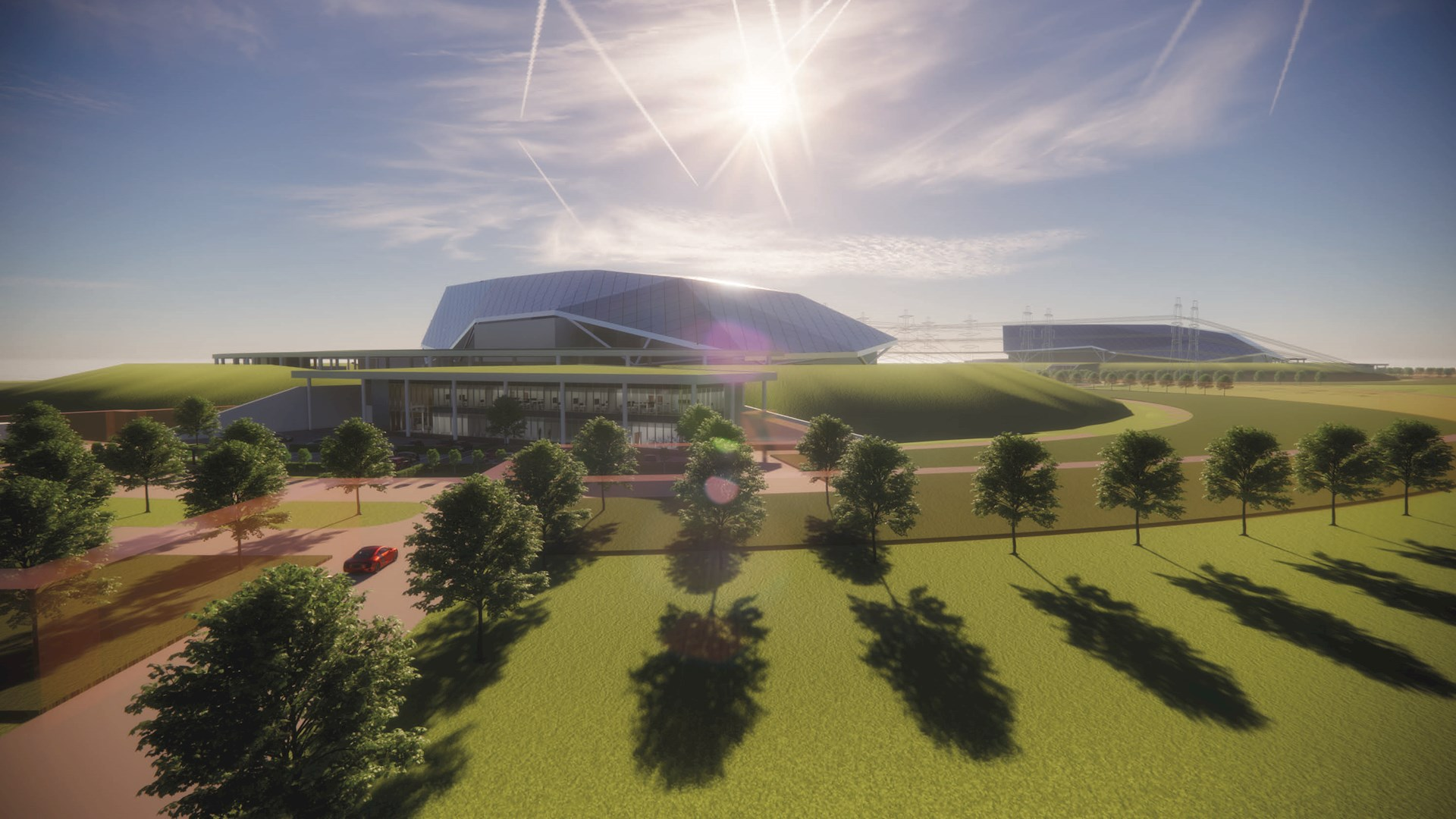
ABB will explore electrical systems for Rolls-Royce SMR deployment programmes. The agreement covers automation, electrification, instrumentation, and communications for standardised 470MW reactor units planned in Britain and overseas.
-
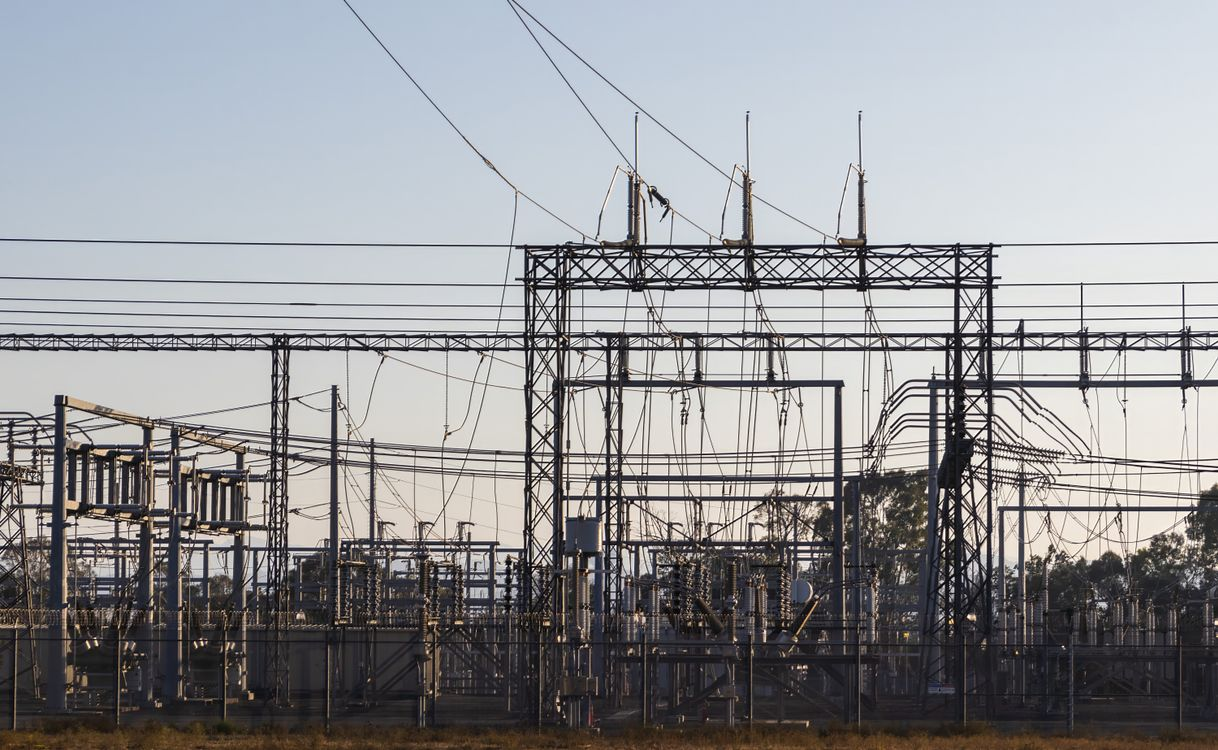
National Grid has refined a major East Midlands reinforcement project. The revised scheme includes 60km of new 400kV line, two substations, and 66km of upgrades across three counties.
-
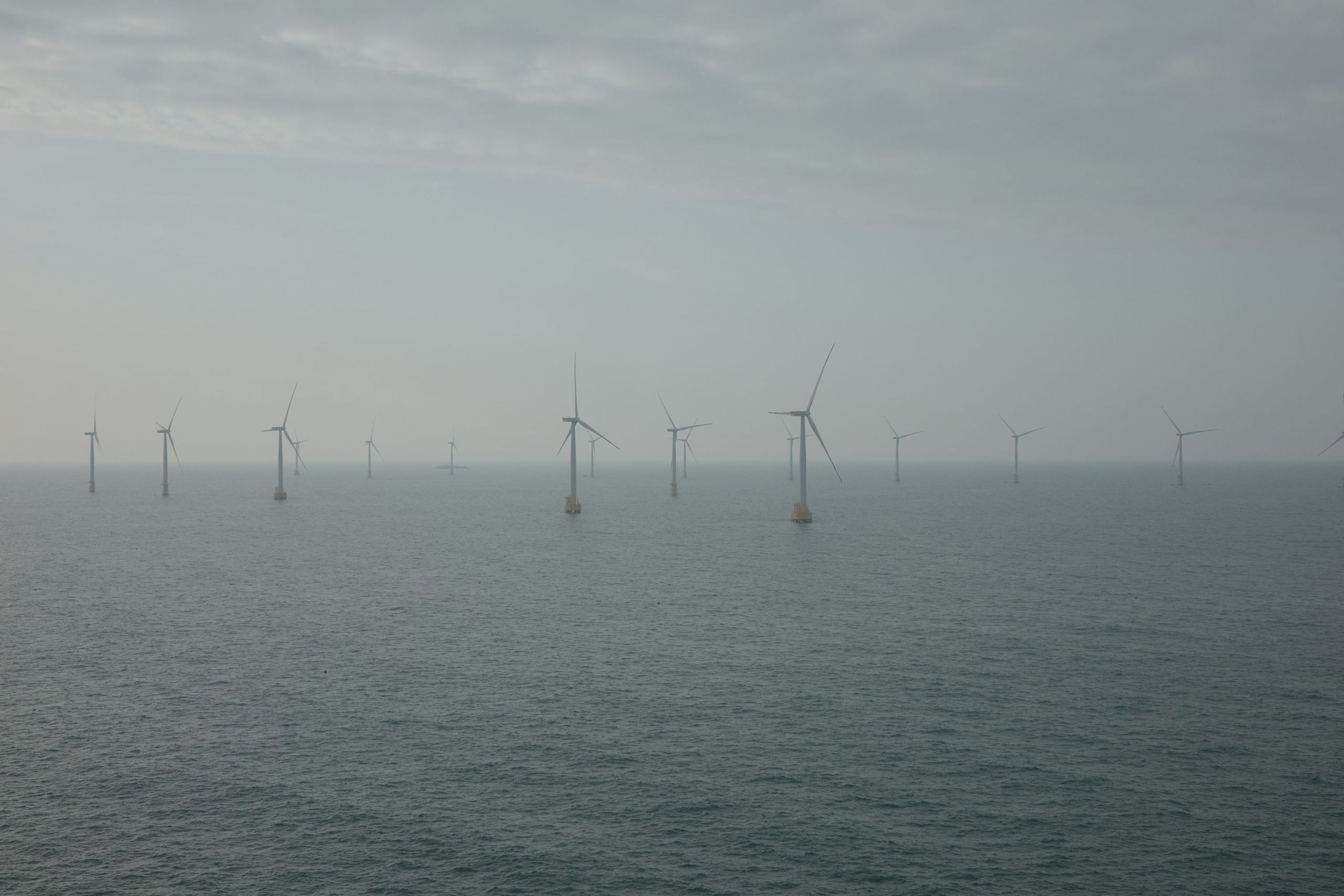
Offshore wind expansion is increasing Europe’s infrastructure security requirements rapidly. EIES wants cyber, physical, and supply chain resilience designed into projects as North Sea countries pursue 300GW of capacity by 2050.
-
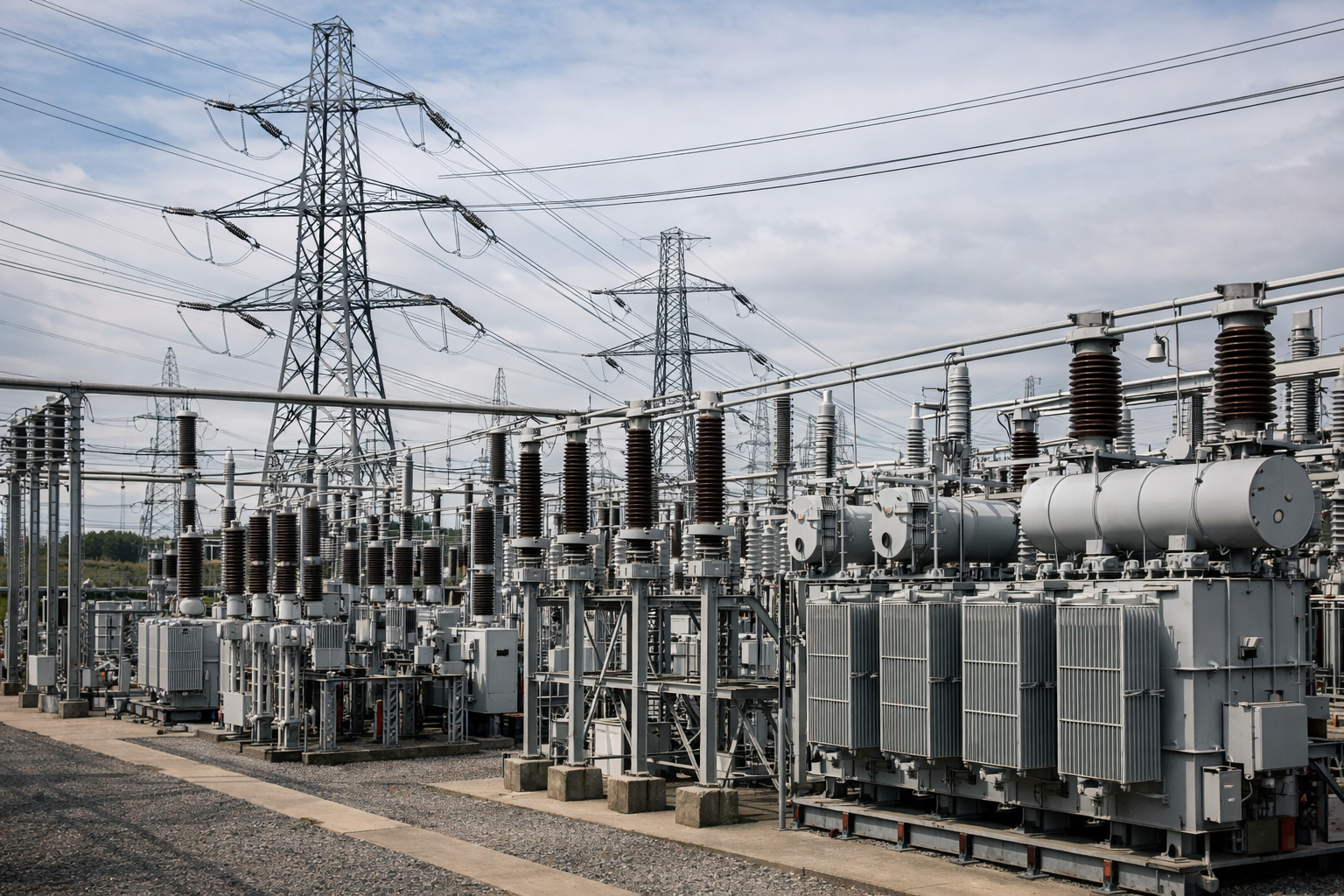
Hanab will build Sirius battery’s new 220kV transmission connection infrastructure. The scope covers a high-voltage station, cable link, engineering, testing, and handover for Return’s 200MW/800MWh Dutch storage project.
-
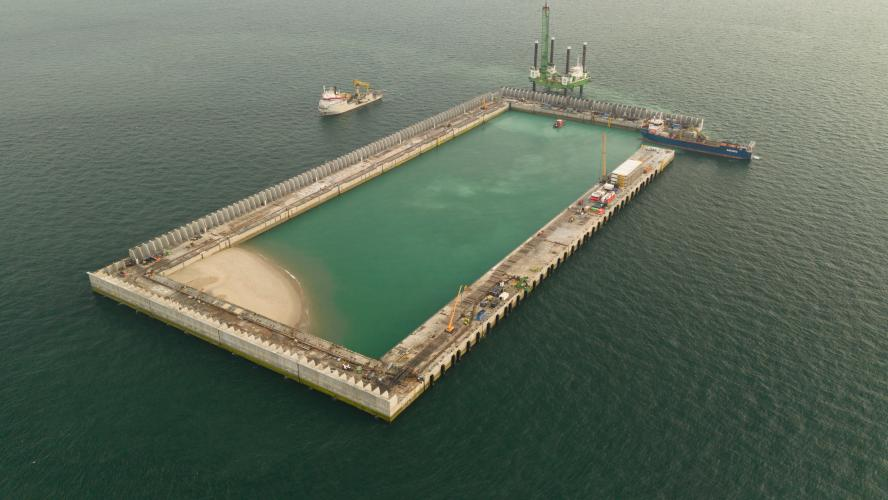
EIB financing will fund Princess Elisabeth Island’s electrical infrastructure phase. The €1bn facility covers high-voltage equipment, transformers, and AC links supporting Belgium’s next offshore wind zone.
-
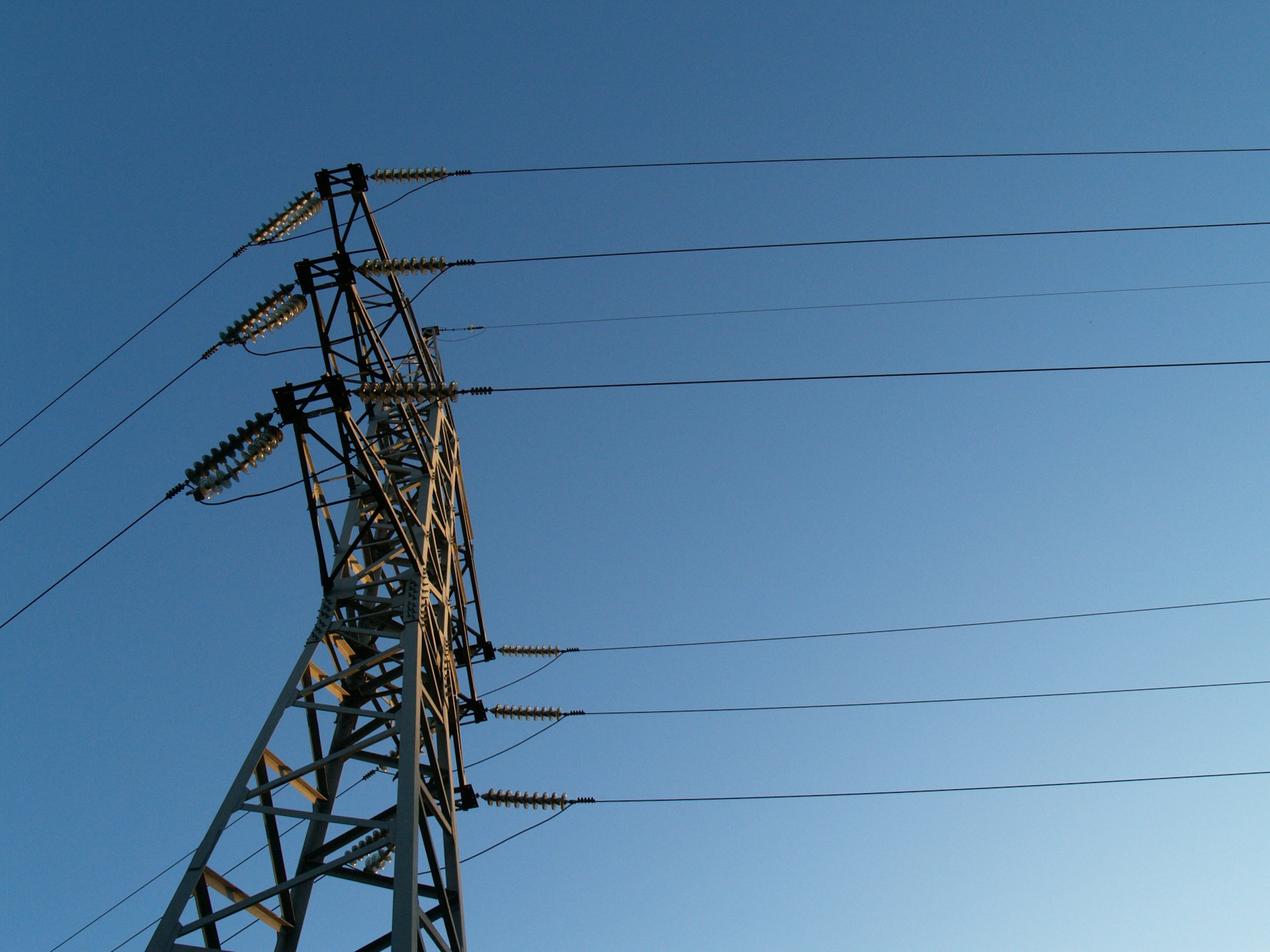
GE Vernova leads India’s bidding for a 6GW HVDC package. The company is L1 for ±800kV converter terminals linking Barmer II and South Kalamb, with final award formalities still outstanding.
-
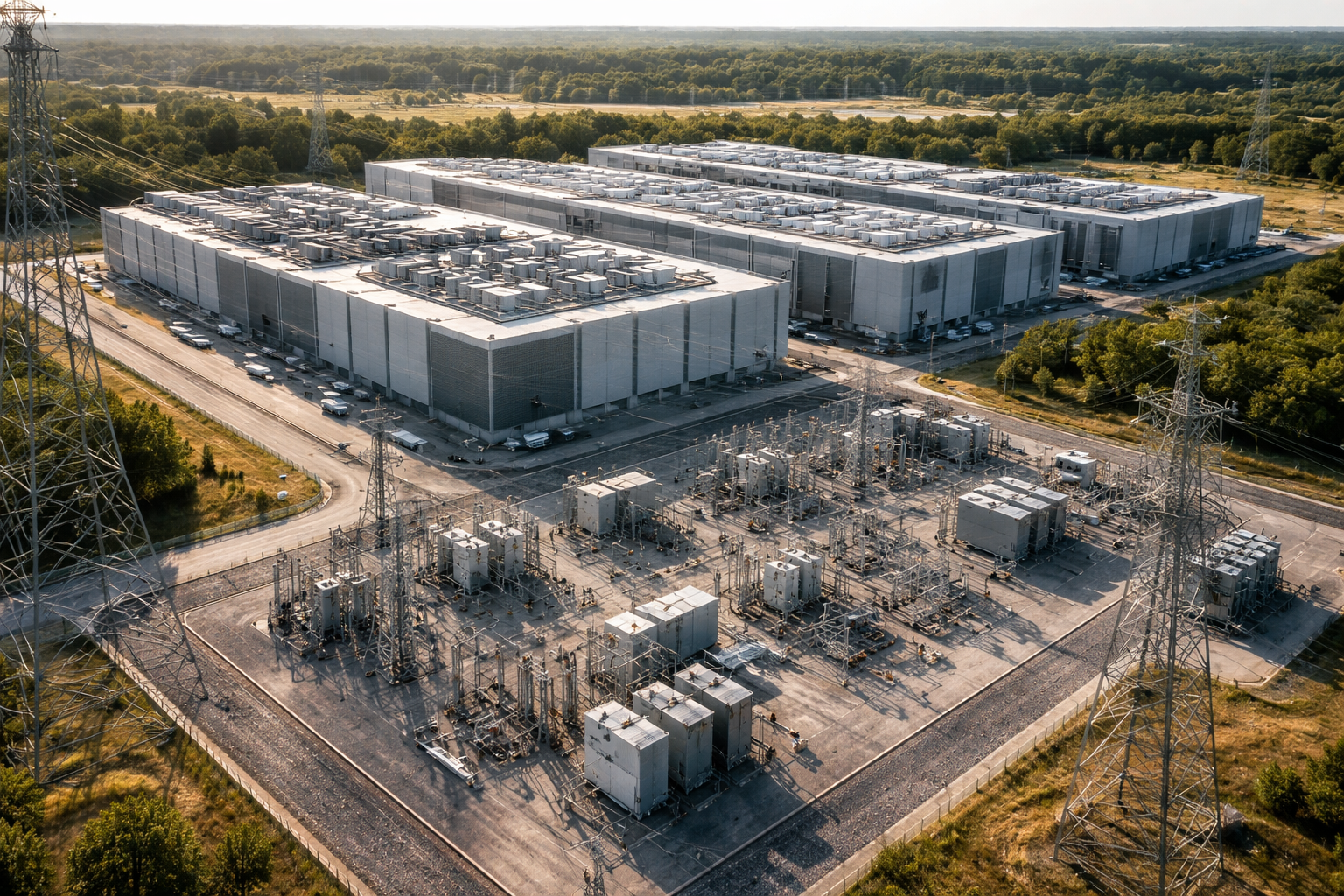
Ofgem returns complex site code changes for further regulatory work. P441 and R0268 must now have decision and implementation timetables aligned with linked code changes.
-
National Grid prepares new nationwide SF6 leak repair framework procurement. The £7.5m programme covers non-intrusive repairs, leak reduction, and preventative treatments across transmission GIS and busbar assets.
-

SSEN is expanding robotic inspections across northern Scotland’s HVDC sites. Seven additional machines will monitor energised converter and switching equipment as the technology moves into routine operation.
-
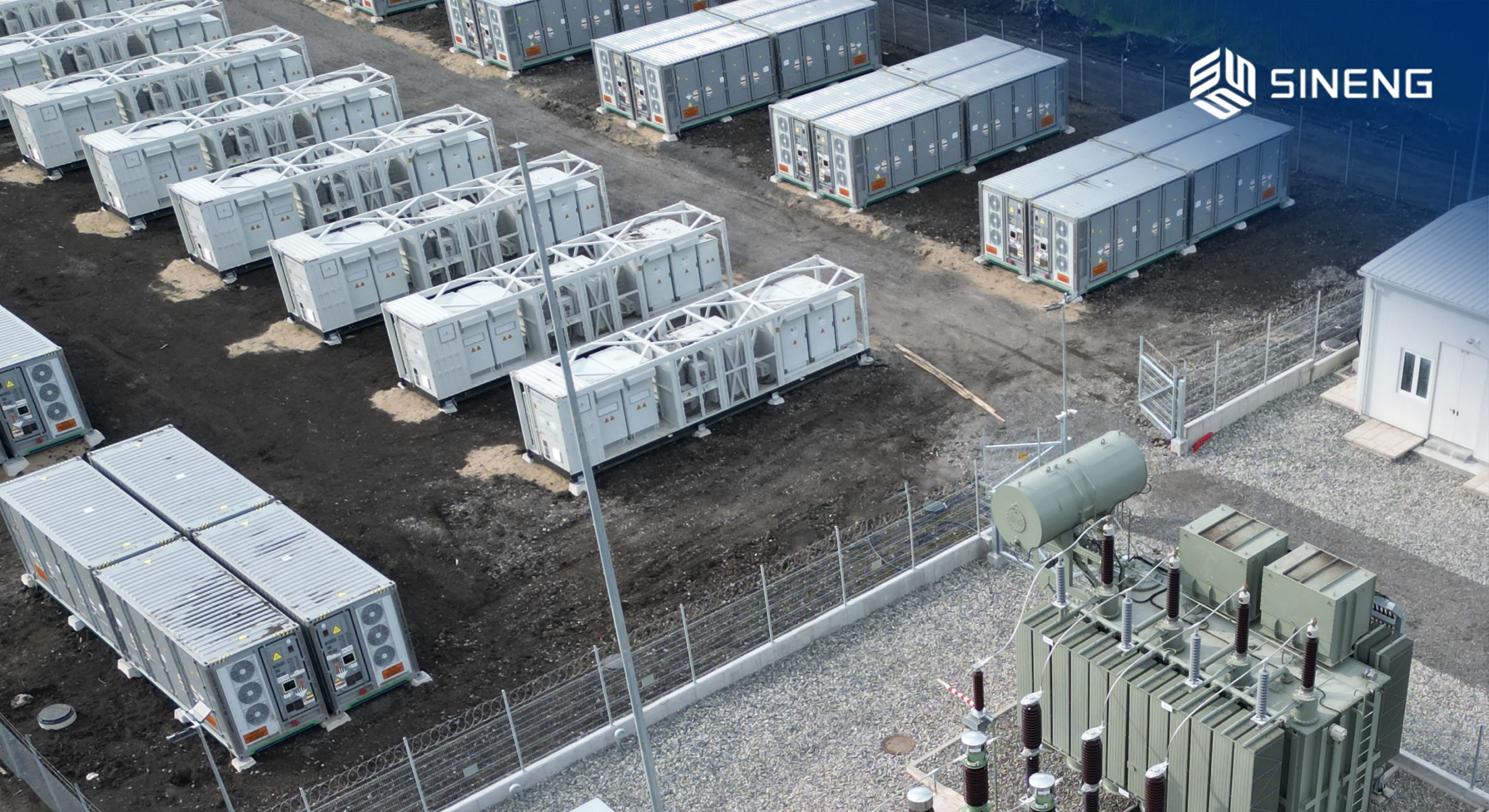
Sineng has supplied power-conversion equipment for Bulgaria’s Burgas battery project. The 150MW/300MWh installation forms part of a 602MWh operating storage facility with grid-forming capability.