IN Brief:
- The EIB is providing a €1bn green credit facility for the second phase of Princess Elisabeth Island.
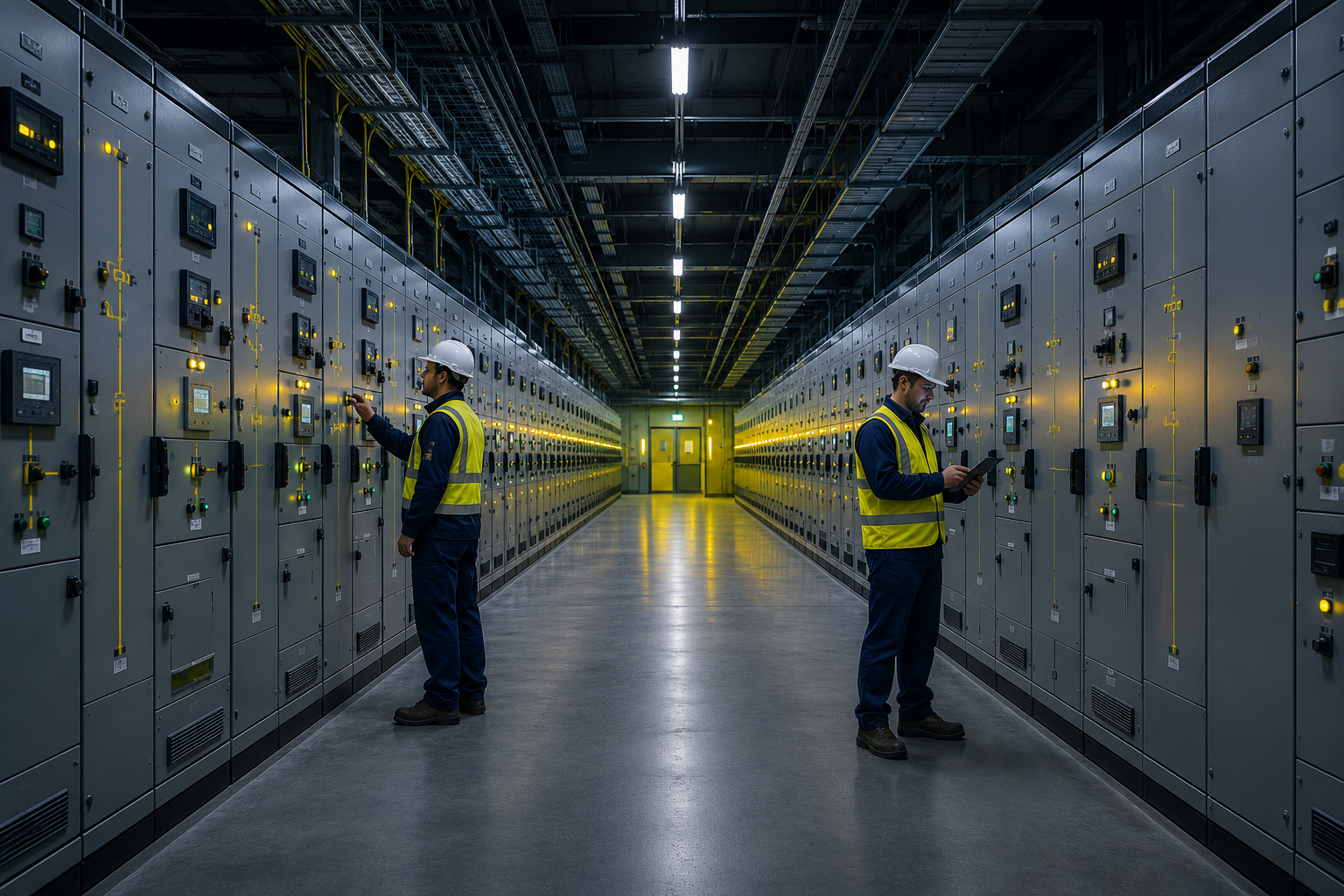
- Funding covers the 220kV substation, 66kV switchgear, transformers, and six three-phase 220kV AC cable links.
- Elia plans to connect the first Princess Elisabeth offshore wind farms from 2031, with future interconnection also envisaged.
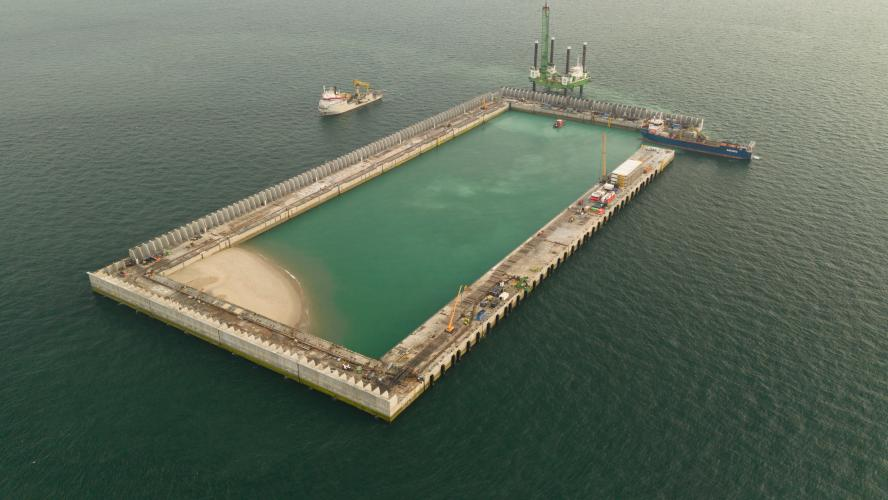
Elia Transmission Belgium has secured a €1 billion green credit facility from the European Investment Bank for the second phase of Princess Elisabeth Island, financing the high-voltage equipment and cable systems that will turn the artificial island into an offshore electricity hub.
The financing covers the electrical infrastructure rather than the civil structure alone. It will support the island’s 220kV substation, 66kV switchgear, transformers, and the alternating-current links that will carry power between the offshore hub and the Belgian mainland.
Six three-phase 220kV AC cables are planned between the island and the coast, connecting into a 220kV onshore substation. The island lies around 45km off the Belgian coast and is intended to connect existing and future offshore wind capacity, including projects in Belgium’s second offshore wind zone.
The latest facility follows the placement of the 23rd and final caisson, completing a major phase of the island structure. Elia has also carried out a design optimisation exercise intended to contain project costs while retaining the electrical functions required for wind connection and future cross-border transmission.
The EIB describes the €1 billion facility as the largest loan it has provided to an energy infrastructure project in the Benelux. A first amount was drawn at the end of July, while the bank had already provided a separate €650 million green credit facility for the first phase of Princess Elisabeth Island in 2024.
Offshore grid hubs compress much of the functionality of a transmission site into a marine environment. High-voltage transformation, switching, protection, control, communications, auxiliary supplies, and multiple export circuits have to operate where construction access is limited and maintenance depends on vessels, weather windows, and specialist personnel.
The financing structure has a direct bearing on network economics because transmission assets are capital intensive and recover their costs over long operating lives. Lower-cost debt can reduce the financing burden carried through regulated network charges while allowing long-lead equipment procurement and construction to proceed on a multi-year timetable.
Princess Elisabeth Island is also designed to do more than collect Belgian wind output. The project is intended to support future interconnection with neighbouring electricity systems, including a potential link with the UK, combining generation connection with cross-border transfer capability.
That operating role demands more complex switching, protection, and control than a simple radial wind-farm connection. Power may need to move between offshore generation, the Belgian network, and future interconnectors under different system conditions, while faults have to be isolated without unnecessarily disconnecting healthy circuits.
The first delivery objective remains Belgium’s next offshore wind zone. Elia says work over the coming years will continue on the island structure, cable connections, and electrical installations so that the first wind farms in the Princess Elisabeth zone can connect from 2031.
The timetable places the project in the same procurement market as a large number of European grid reinforcements and offshore developments. High-voltage transformers, switchgear, submarine and land cables, protection equipment, and specialist installation capacity are all being ordered into supply chains already carrying transmission, interconnector, and renewable-energy programmes.
An offshore hub can consolidate some equipment and cable routes, but it does not remove the need for mainland reinforcement. Power arriving at the coast still has to be transferred through the Belgian transmission system, and the value of additional offshore generation depends on whether inland network capacity, flexibility, and cross-border exchange can absorb output when wind production is high.
The second-phase facility converts a large part of that engineering programme into funded work. The package covers equipment that will determine how reliably the island can collect, transform, switch, and export power once generation begins to arrive, rather than funding an isolated civil structure with electrical systems left for a later decision.
With first wind connections scheduled from 2031, roughly five years remain for the remaining marine works, cable installation, substation construction, protection testing, commissioning, and integration with the onshore 220kV system. Those stages will decide whether the island becomes a functioning grid node on the timetable now assumed by Belgium’s offshore wind programme.
Princess Elisabeth Island is one of Europe’s clearest tests of offshore transmission architecture at scale. The €1 billion EIB facility gives Elia long-term funding for the electrical phase; the next evidence of progress will come from installed cables, energised switchgear, commissioned transformers, and the first power flows through the 220kV system.