IN Brief:
- ABB and Rolls-Royce SMR have signed an MoU covering automation, electrification, instrumentation, and communications.
- Rolls-Royce SMR's standardised reactor design is rated at 470MW per unit.
- Initial UK activity covers three North Wales units, alongside planned programmes in the Czech Republic and Sweden.
ABB has signed a memorandum of understanding with Rolls-Royce SMR to explore automation, electrification, instrumentation, and communications systems for a planned fleet of standardised 470MW small modular reactors.
The agreement creates a framework for assessing where ABB technology could be incorporated as Rolls-Royce SMR moves from generic reactor design into site-specific delivery. The collaboration will be developed through ABB’s UK operations, headquartered in Warrington.
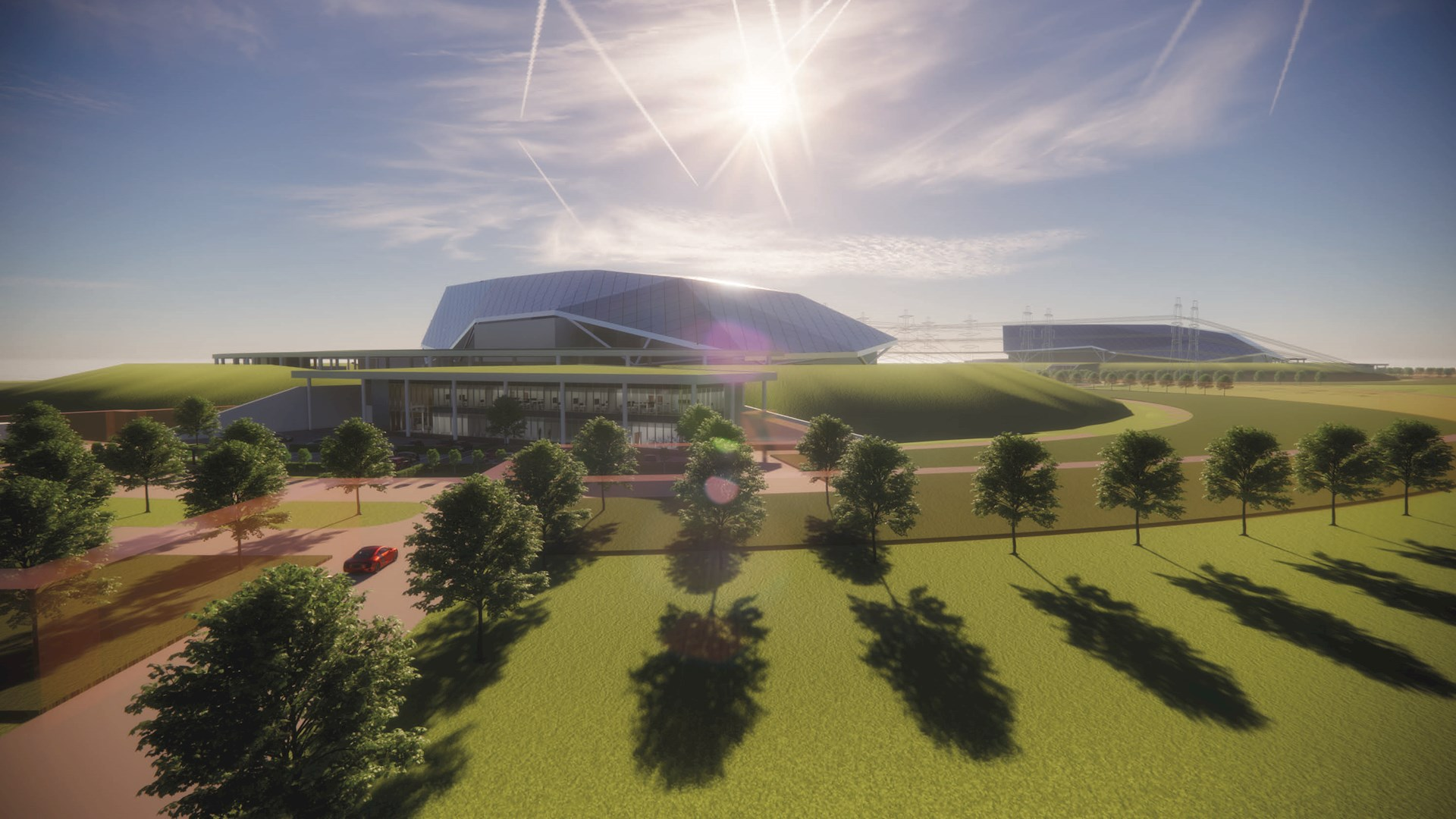
Rolls-Royce SMR has begun site-specific design and delivery activities for the first UK programme, initially comprising three units in North Wales. It is also working with ČEZ on deployment at Temelín in the Czech Republic, with potential additional units at Tušimice and Dětmarovice, and has been selected by Videberg Kraft for three units on Sweden’s Värö Peninsula.
Each Rolls-Royce SMR is designed to generate 470MW of low-carbon electricity. The delivery model relies on standardisation and factory manufacture, with repeatable equipment and construction packages intended to reduce some of the cost and schedule variation associated with large, bespoke nuclear projects.
That approach puts unusual weight on electrical and control architecture. A fleet model only delivers repeatability if core systems can be engineered, qualified, manufactured, and installed with limited redesign between sites while still accommodating national regulations, grid codes, and site-specific conditions.
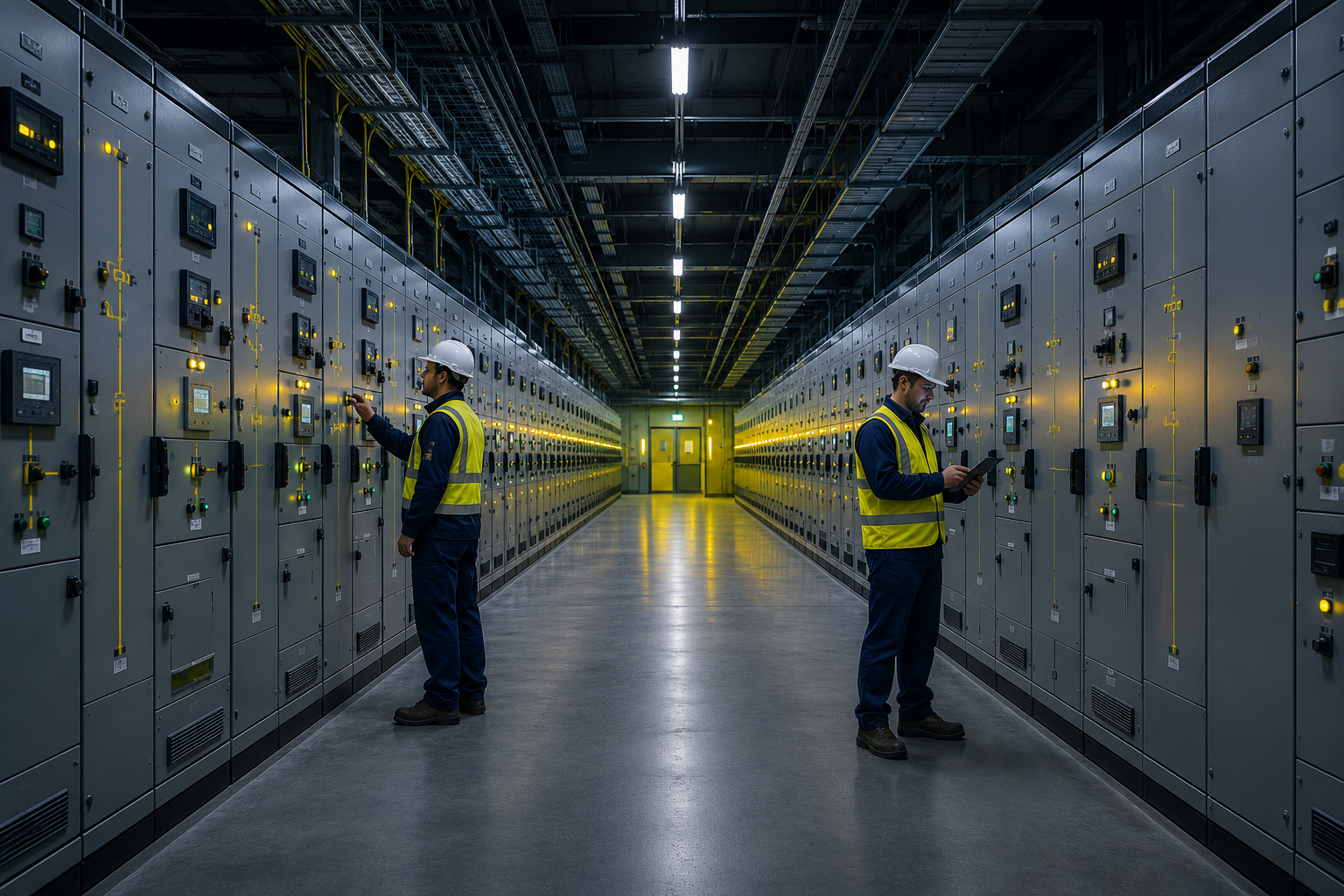
ABB’s prospective contribution therefore extends beyond conventional plant electrics. Automation would support plant monitoring and control, instrumentation would provide process measurements, communications would carry data between plant systems, and electrification equipment would distribute power to essential and non-essential loads.
Nuclear projects impose demanding requirements on segregation, redundancy, qualification, and configuration control. Safety-related and non-safety systems must be separated where required, power supplies need defined levels of resilience, and instrumentation and control equipment must perform predictably under the environmental and fault conditions assumed in the safety case.
The companies have not yet disclosed which ABB products or packages would be selected. The memorandum is exploratory rather than a final supply contract, so its immediate significance lies in bringing an established automation and electrification supplier into the programme before wider fleet procurement is fixed.
Early alignment matters because standardisation becomes harder once equipment packages fragment across individual projects. Common interfaces, communications protocols, power-distribution architecture, and control philosophy can reduce redesign later, particularly if a similar technical basis is intended across several countries.
Three UK units at 470MW each would represent 1.41GW of installed capacity if all proceed. Their electrical systems alone would create a substantial procurement programme covering transformers, switchgear, drives, uninterruptible power supplies, control systems, instrumentation, cabling, communications, and associated test equipment.
The electrical balance of plant also has to support normal operation, planned shutdowns, maintenance, and abnormal conditions. Auxiliary power architecture, emergency supplies, motor control, and plant communications must be coordinated with the reactor and turbine systems so that repeatable hardware does not create site-specific integration problems later in commissioning.
Factory manufacture does not remove site integration. Modules still have to be connected into a functioning power station, and electrical systems must be tested across the boundaries between factory assemblies, site-installed equipment, and grid-facing infrastructure. The claimed advantage is that more of those interfaces can be standardised before construction teams reach site.
International deployment adds another layer. A common reactor design may be used in Britain, the Czech Republic, and Sweden, but licensing, grid-connection requirements, supply-chain rules, and national standards remain different. Suppliers that can preserve a common technical platform while adapting the outer interfaces could therefore become important to fleet economics.
ABB cites an International Energy Agency forecast of 40GW of global SMR capacity by 2050 under current policy settings, rising to 120GW in a scenario with more supportive policy, streamlined regulation, and successful industry delivery. Those figures are scenarios rather than orders, but they explain why electrical and automation suppliers are positioning before the first large programmes reach procurement.
For Rolls-Royce SMR, the memorandum adds a potential systems partner to a programme built around repeatability. For ABB, it creates a route into a reactor fleet where automation and electrical packages could be replicated across multiple units if technical qualification and commercial negotiations lead to firm supply contracts.
The next meaningful milestone will be more specific than the MoU itself: defined work packages, qualification requirements, and purchase commitments. Until then, the agreement is best read as early systems engineering for a programme attempting to make nuclear delivery more repeatable without pretending that nuclear-grade electrical integration is a standard catalogue exercise.