IN Brief:
- NESO expects electricity supply to remain secure and resilient through summer 2026.
- Lower demand, record solar output, and more local generation are increasing the frequency of surplus periods.
- Flexibility services, storage, interconnectors, and network reinforcement are becoming central to summer operations.
NESO has used its 2026 Summer Outlook to draw attention to a part of power-system operation that has moved steadily up the agenda in Britain: how to run a secure network when low seasonal demand collides with strong daytime renewable output and rising volumes of local generation. The operator said electricity supply is expected to remain secure and resilient through the warmer months, but the operational challenge is now markedly different from the winter question of whether enough power can be brought on to meet peak demand.
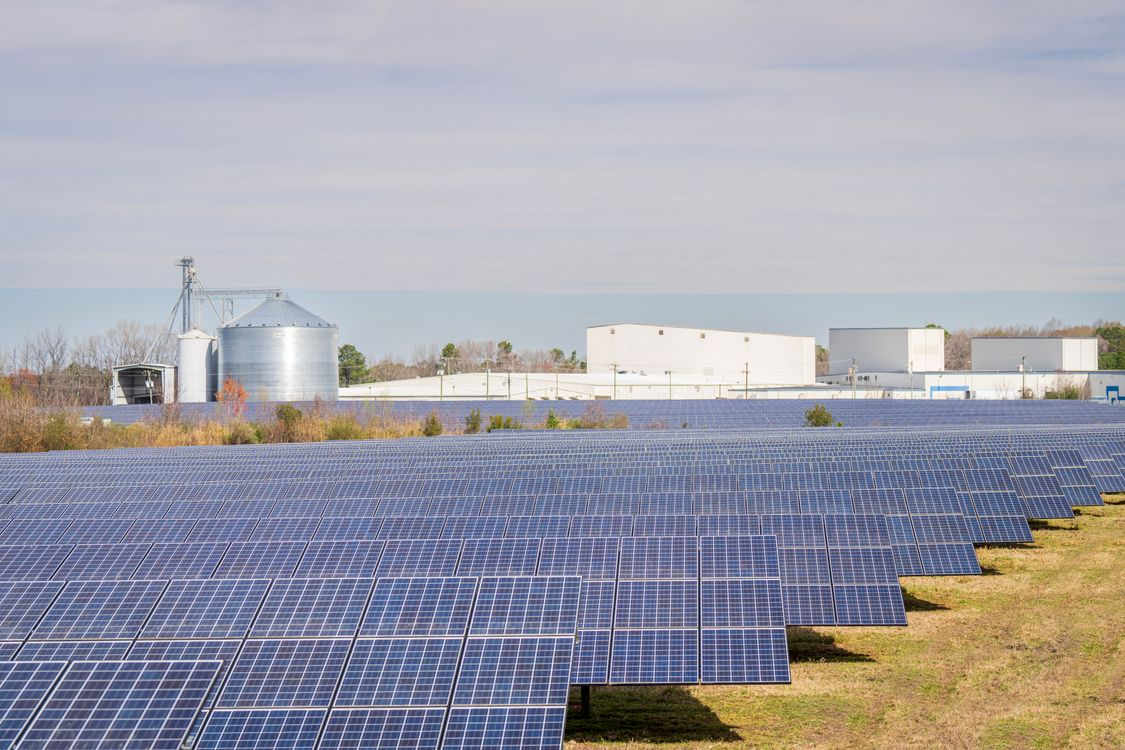
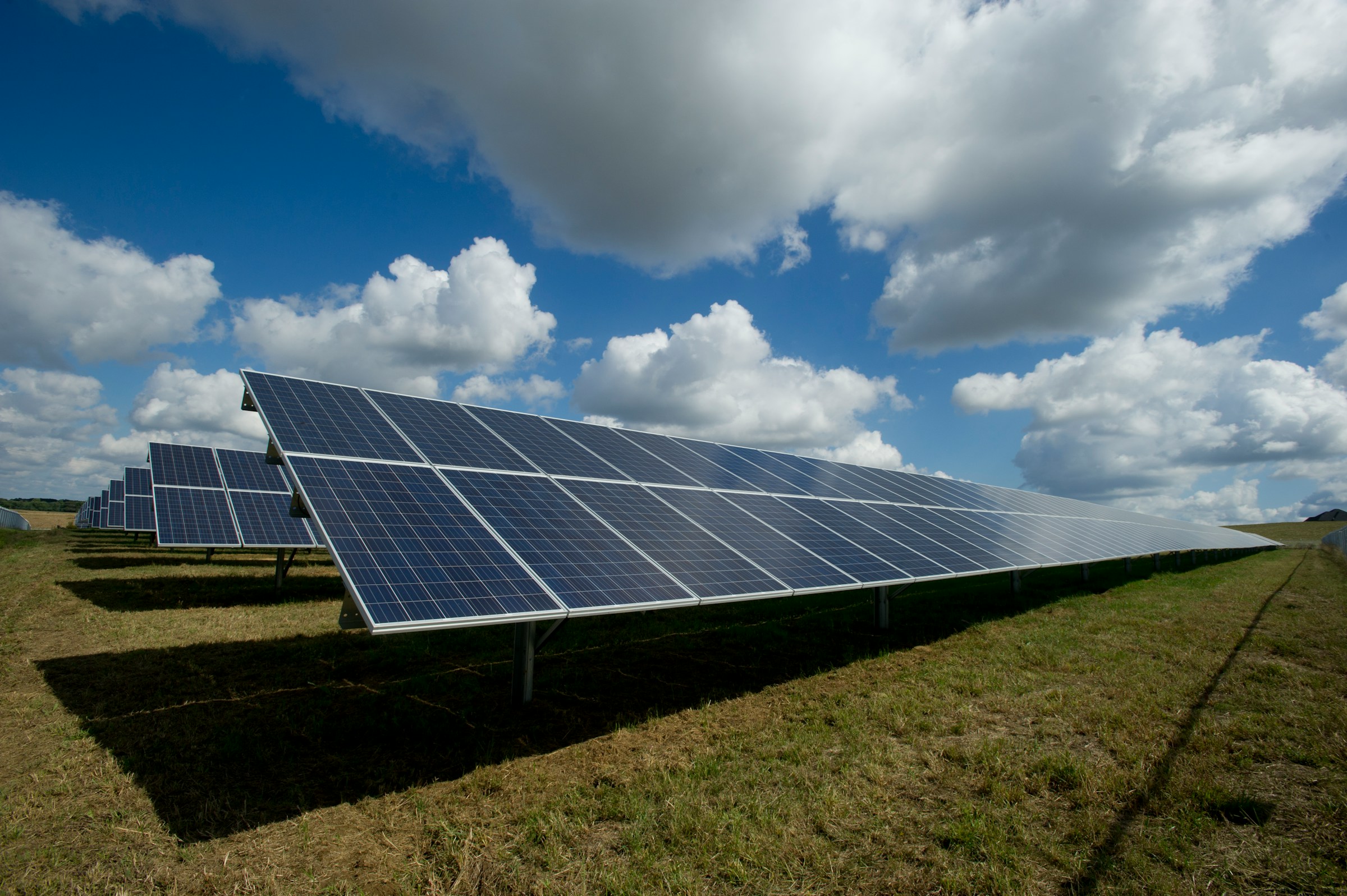
Summer demand is typically lower because heating loads fall away, daylight hours are longer, and a growing share of homes and businesses are producing and storing electricity locally through rooftop solar and batteries. At the same time, wind and solar output can remain high. Britain broke two maximum solar generation records in the space of a week, with the latest record on 7 April reaching 14,414MW between 12:30pm and 1pm. Against that backdrop, NESO’s toolkit for summer 2026 includes exporting electricity through interconnectors, storing surplus energy in batteries and hydro systems, and adjusting generator output where required. The full Summer Outlook is available here.
One of the more notable changes is the updated Demand Flexibility Service. Originally built around reducing consumption during tighter periods, it can now be used in summer to reward homes and businesses for increasing electricity use when supply is abundant. That shifts flexible demand from a winter resilience mechanism into a tool for absorbing excess daytime power, particularly during sunny weekends and bank holidays when underlying demand can be especially weak. If conditions tighten from a system-stability perspective, NESO can also issue a Negative Reserve Active Power Margin notice, signalling to the market that output may need to be reduced and that additional flexibility will be required.
That is a significant marker of how quickly the operating profile of the British system is changing. The core issue is no longer simply how to build enough generation capacity; it is also how to keep a power system stable when a larger share of generation is weather-driven, distributed, and concentrated in daylight hours. NESO has been redesigning services since 2019 so that system stability and voltage support, once supplied largely by conventional power stations, can increasingly be provided by wind, solar, batteries, and other flexible assets. The result is a grid that is better adapted to surplus conditions than it was a few years ago, but one that is also far more dependent on digital control, market responsiveness, and network visibility than the legacy system it is replacing.
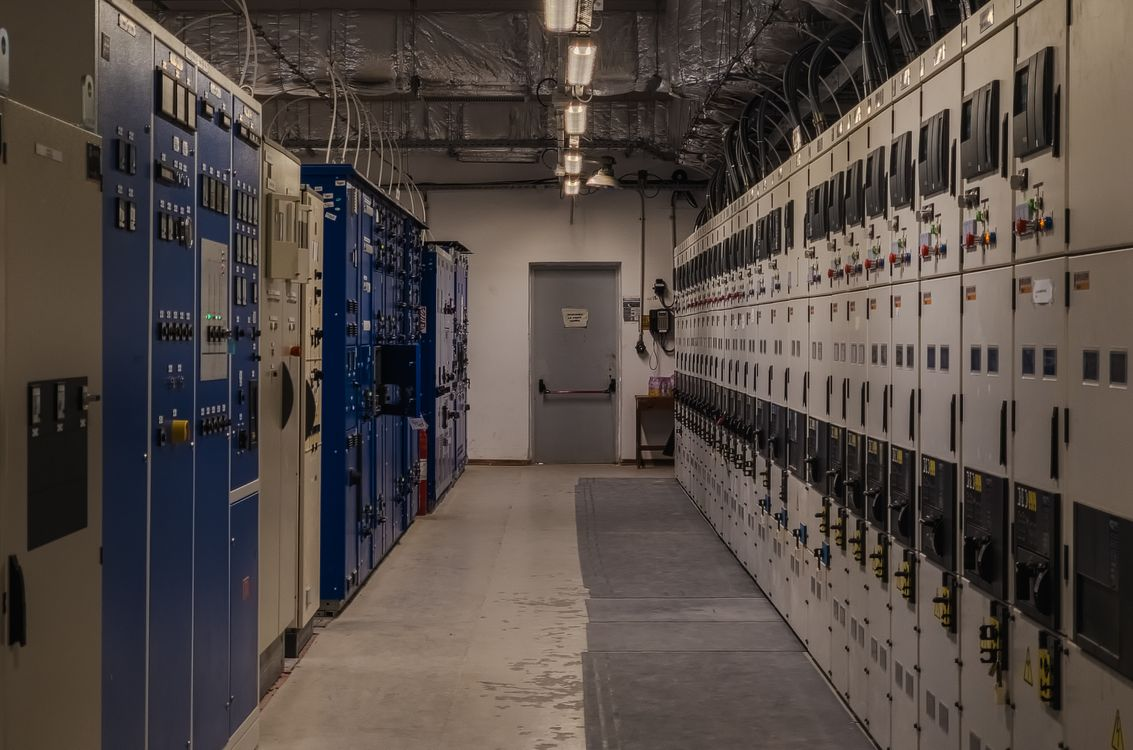
The operational story sits alongside a much larger infrastructure story. Ofgem is pushing ahead with demand-connections reform because the queue for grid access has become too large, too slow, and too crowded with projects that may never progress. At transmission level, National Grid Electricity Transmission’s RIIO-T3 plan sets out up to £35bn of investment through March 2031, while Ofgem has already put in place an Advanced Procurement Mechanism to help de-risk the early booking of long-lead equipment. Supply-chain pressure remains a live issue in that wider buildout. National Grid has flagged constraints around critical equipment including super grid transformers, switchgear, and cables, all of which sit much closer to the real timetable of electrification than abstract capacity targets do.
That broader tension is now feeding into debate over how Britain should respond when surplus renewable output starts to arrive faster than network reinforcement. Christophe Williams, Founder and CEO of Naked Energy, said: “While concerns mount about solar overwhelming the grid we must consider the bigger picture. The issue isn’t too much renewable energy, it’s that our grid was never designed for a decentralised, electrified energy system. Encouraging more people to use electricity at off-peak times won’t change the fact that the grid alone cannot carry the weight of net zero.”
That argument does not diminish the value of flexibility. It places it in context. Demand shifting, batteries, and interconnection can all buy time and reduce curtailment, but they do not remove the need for network reinforcement, faster connections, and a broader mix of grid-edge technologies that can reduce pressure on constrained parts of the system. Read that way, NESO’s Summer Outlook is less a warning about instability than a clear picture of a system entering a new phase, where managing abundance during the middle of the day becomes just as important as guarding against scarcity in the evening peak.