
News
—
-
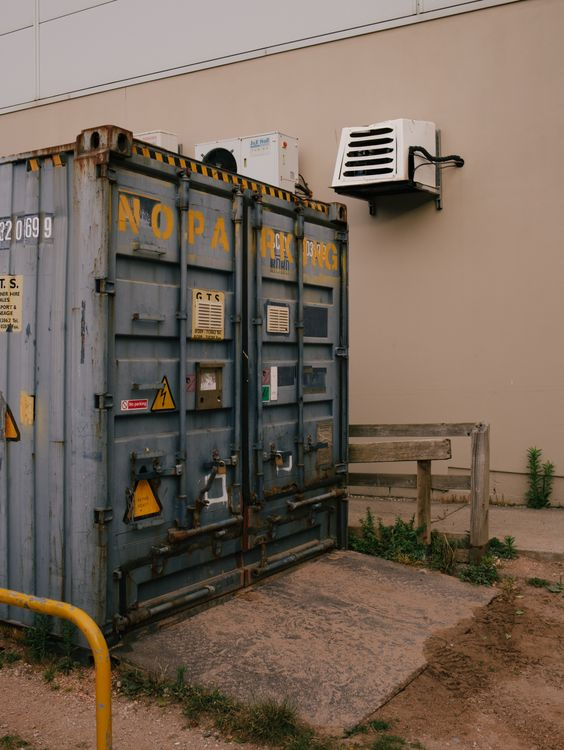
Hidroelectrica has awarded its largest battery project at Iron Gates. The 64MW/434.76MWh system carries a RON296.8m contract value and receives Romanian Modernisation Fund support.
-

Gennaker has secured €2.1bn financing to enter full construction phase. The 976.5MW Baltic Sea project is targeting commercial operation by the end of 2028.
-
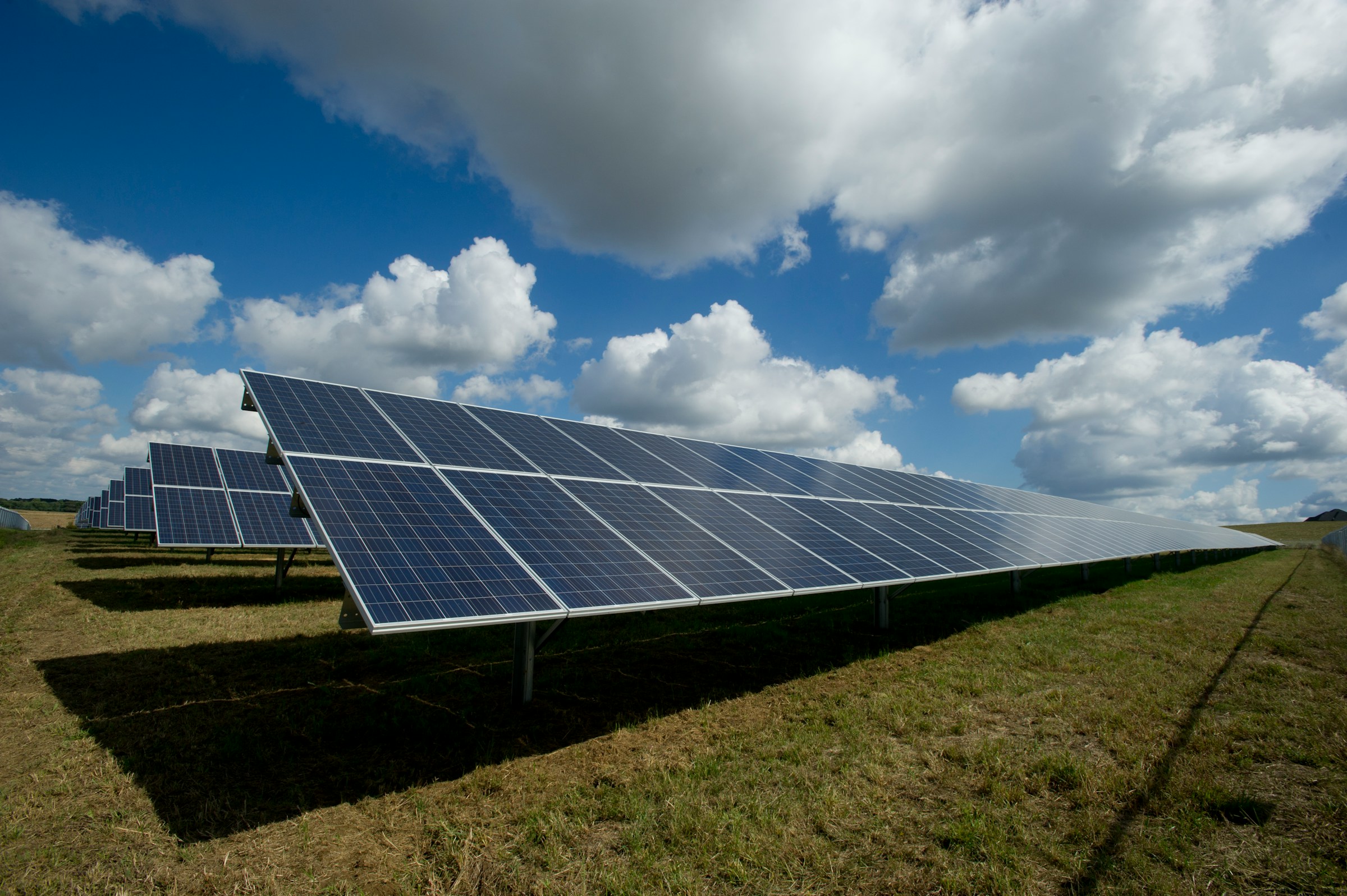
METLEN has agreed to sell Chile’s Tamarico II hybrid project. The Atacama development combines 165MW of photovoltaics with 725MWh of battery storage expandable to 925MWh.
-

FlexGen has commissioned a 160MW Texas battery in six weeks. Houston IV used preconfigured systems, laboratory testing, remote support, and coordinated field commissioning to compress delivery.
-

Waratah has tested full grid-protection capability in New South Wales. The 850MW battery has returned to nameplate output after last year’s high-voltage transformer failure constrained commissioning.
-
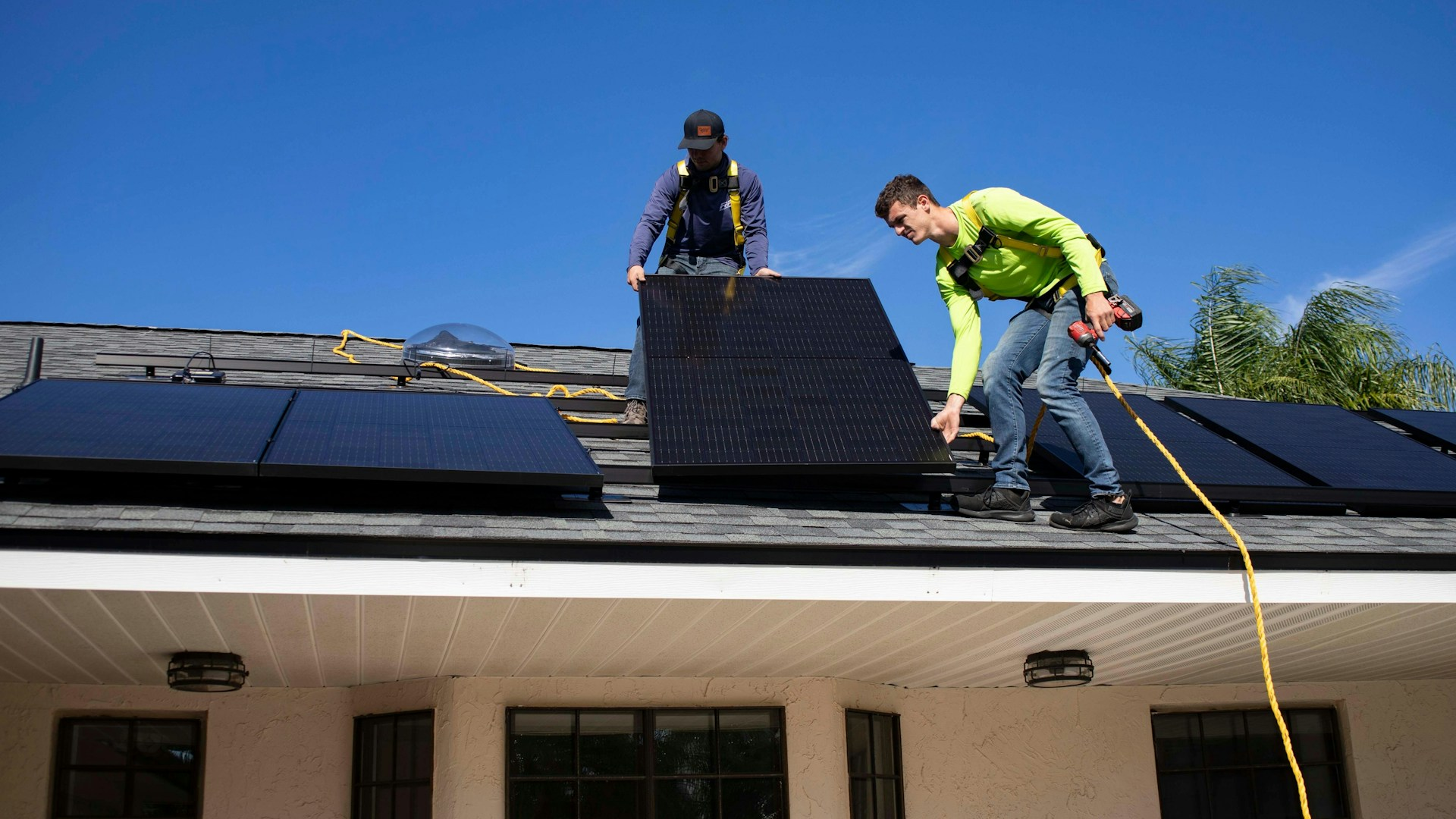
SELECT and SJIB have renewed warnings over electrical training shortcuts. The Scottish bodies say qualifications alone cannot establish occupational competence without structured learning and supervised workplace experience.
-
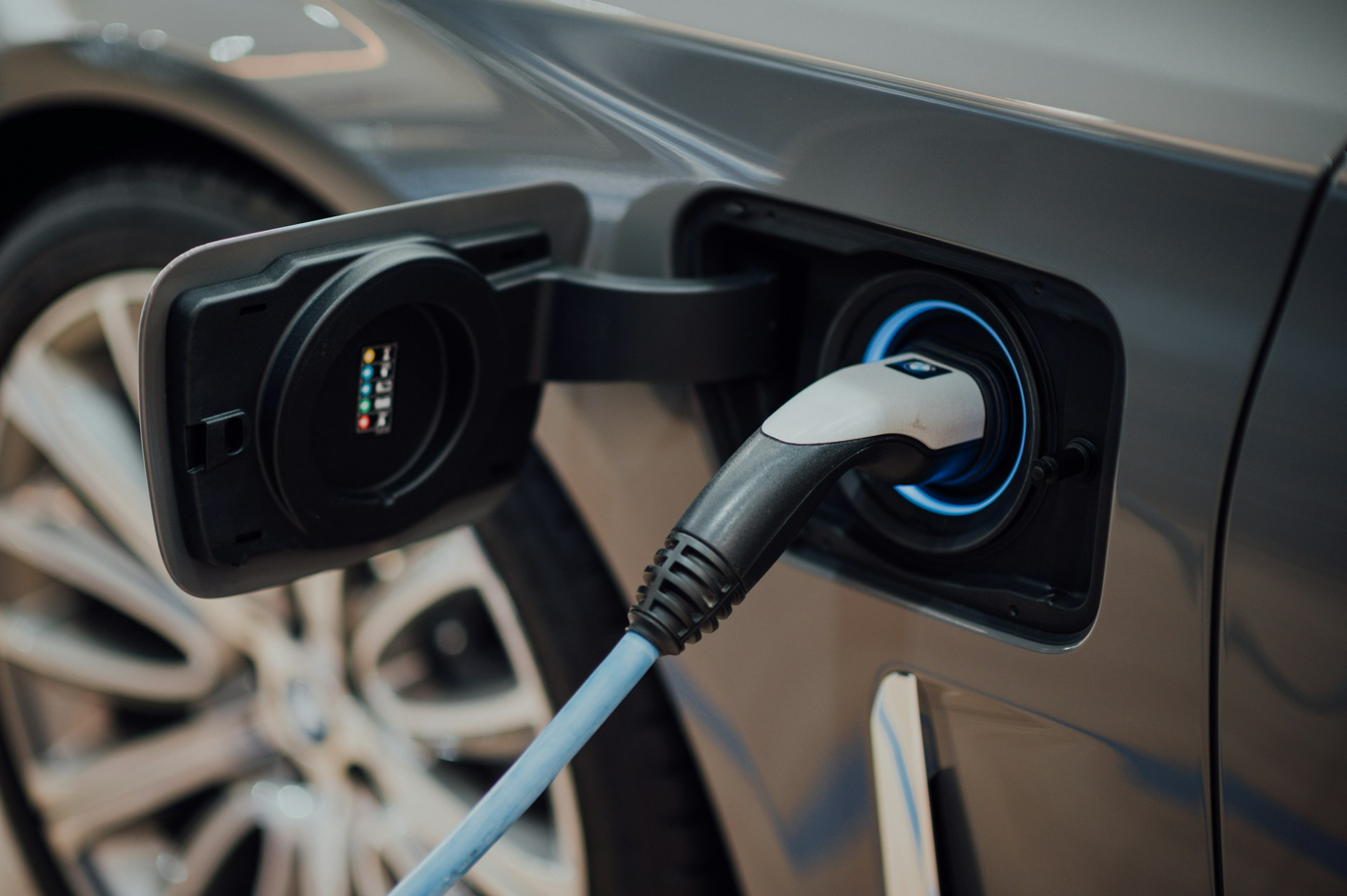
Aegis Energy has started building its Sheffield commercial charging hub. The Smithywood site will provide charging at up to 400kW for vans and trucks alongside HVO refuelling.
-
Northern Ireland has outlined new electricity-system delivery priorities for 2030. Storage policy, interconnection, grid investment, renewable connections, and smart metering now form part of the programme.
-
SP Energy Networks is expanding battery-buffered charging across operational depots. TUAL’s PowerUp system combines energy storage with high-power DC charging where conventional infrastructure upgrades are difficult.
-
Ofgem has published its latest Capacity Market operating review today. The eleventh annual report covers delivery, prequalification, and auctions securing capacity for 2026/27 and 2029/30.