
News
—
-

EIB backing will expand wind industry guarantees across European projects. Danske Bank can provide up to €500 million supporting equipment production and delivery.
-
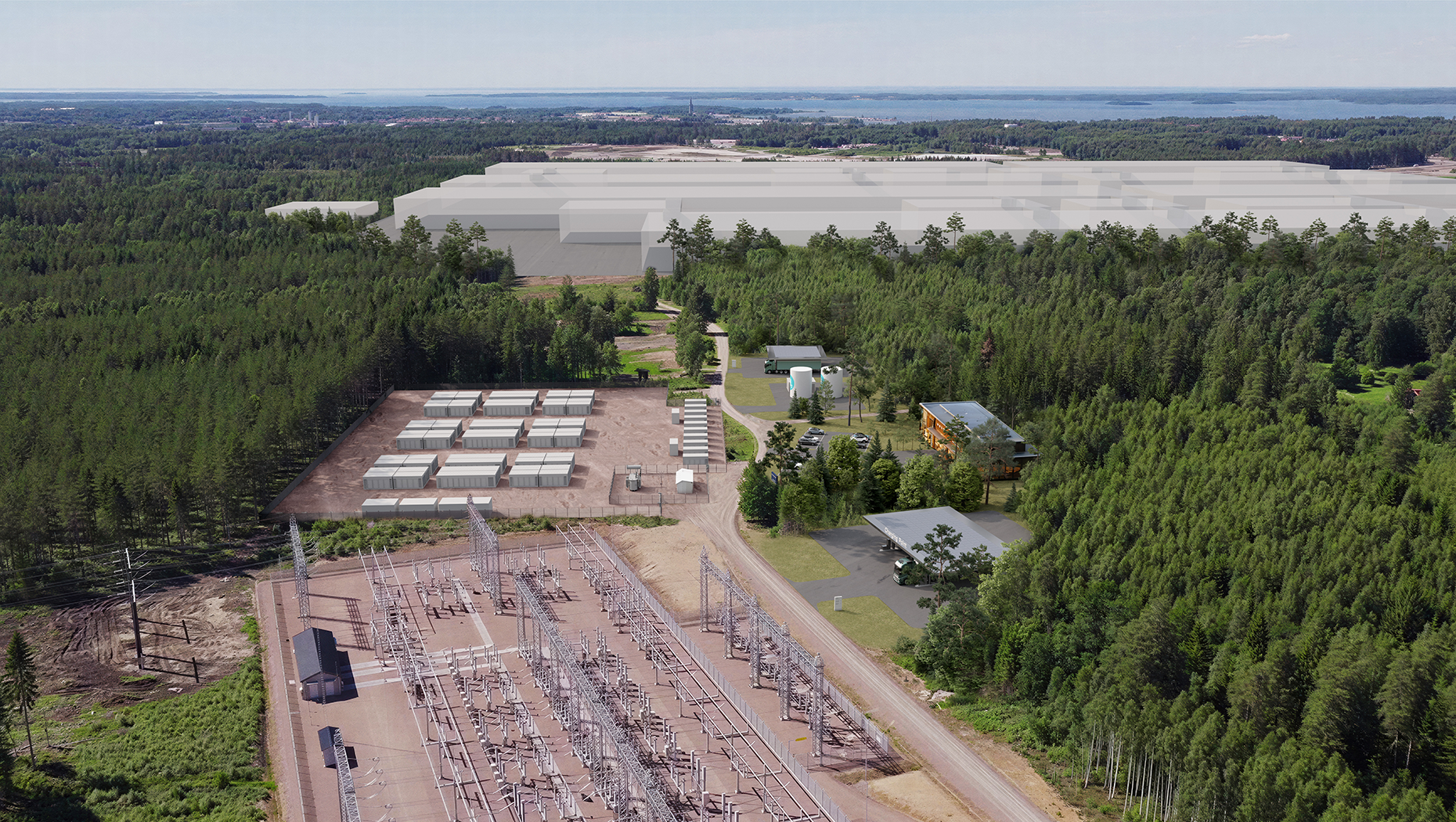
Volvo plans a 260MWh battery energy park development in Sweden. The Mariestad development will combine grid-scale storage with a full-scale test facility for future energy technologies.
-

Centrica will optimise a 300MWh Finnish battery project from 2027. A partial tolling agreement gives Karppio access to wholesale, balancing, and ancillary-service markets.
-
Eight European TSOs are seeking technologies to unlock grid capacity. Their joint call targets congestion, monitoring, power-flow control, and uprating of existing transmission infrastructure.
-
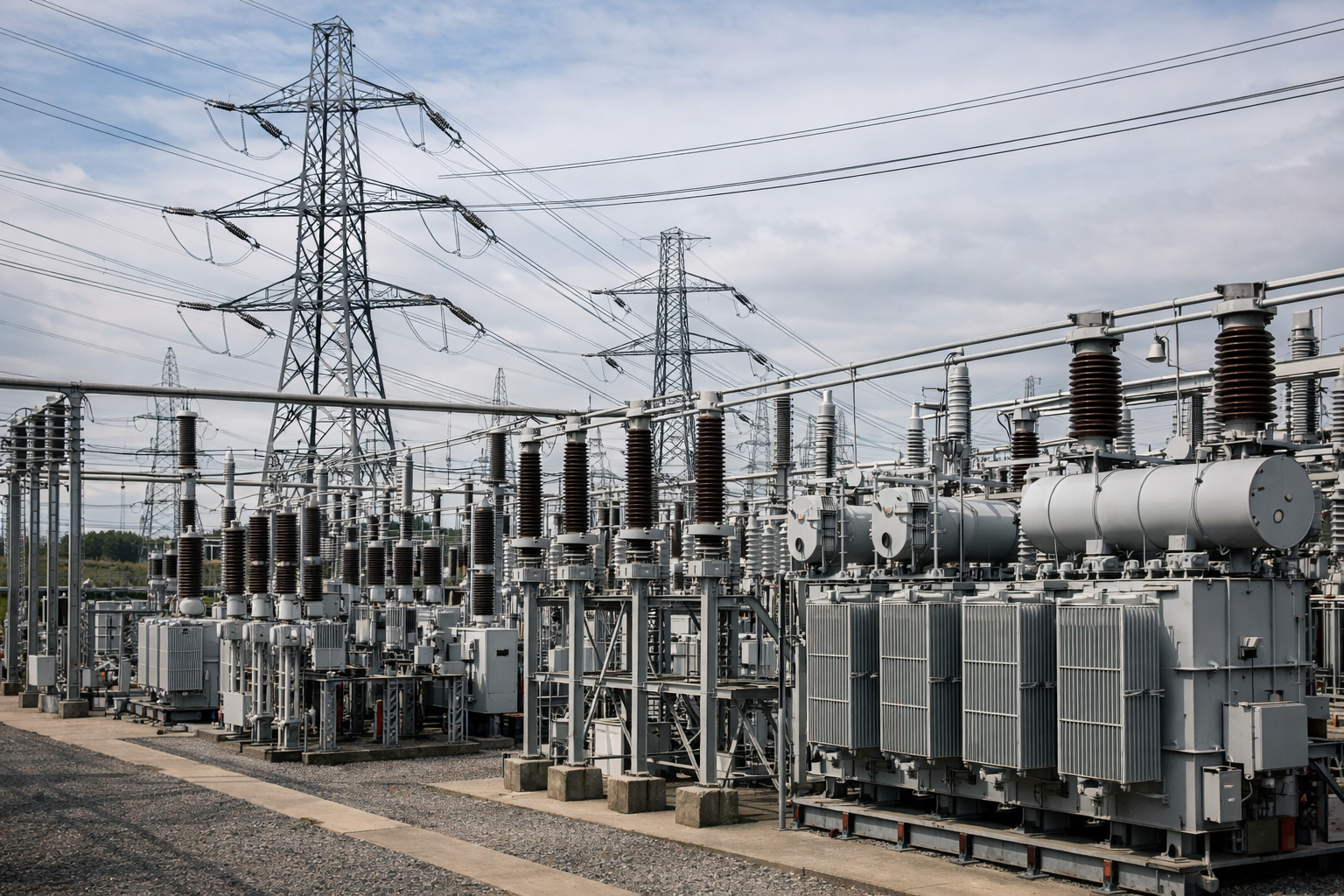
Vattenfall has approved a 1GWh battery storage project in Germany. The 254MW system will connect to 50Hertz’s 380kV network and target end-2028 commissioning.
-
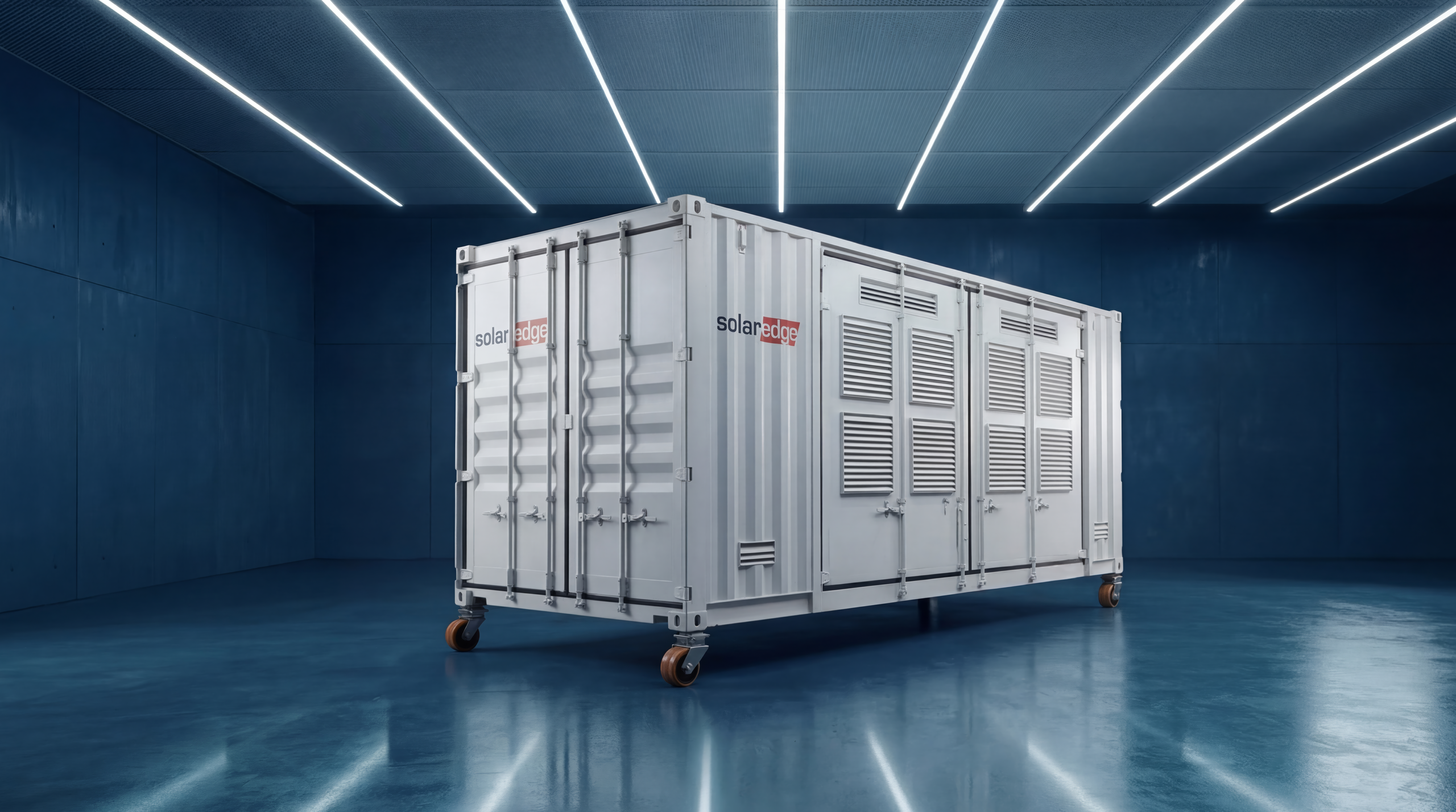
SolarEdge and Infineon extend 800VDC protection into solid-state circuit breakers. Their collaboration combines SolarEdge distribution design with Infineon silicon-carbide JFET technology to target microsecond-scale fault isolation between solid-state transformers and high-density AI computing loads.
-
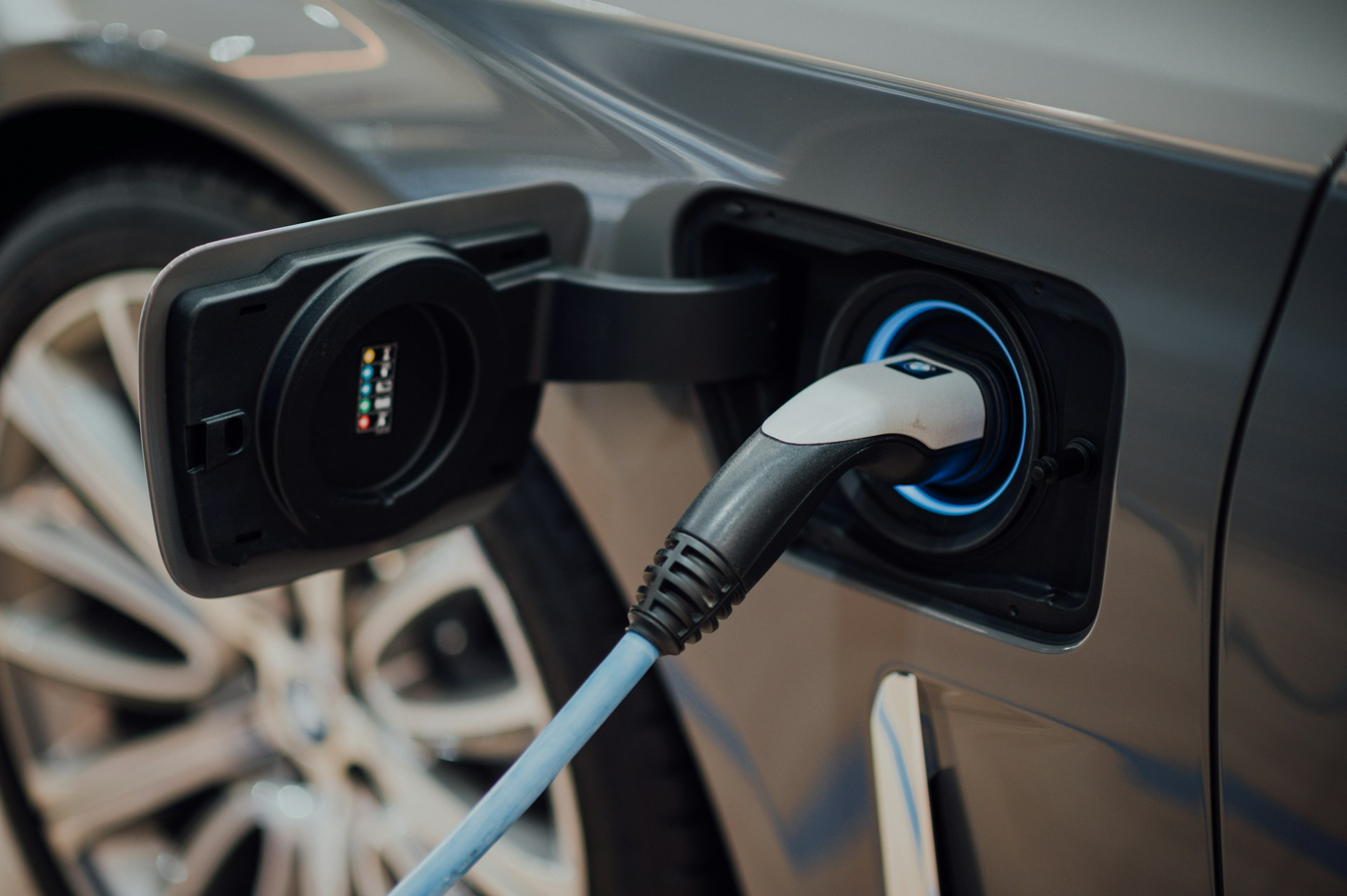
UK public EV charging reached 123,677 chargers by September 2026. The end-August total spans 47,810 locations and is 2,506 above July’s official figure, while the government’s 2026 methodology now measures independently controllable EVSE rather than physical devices.
-
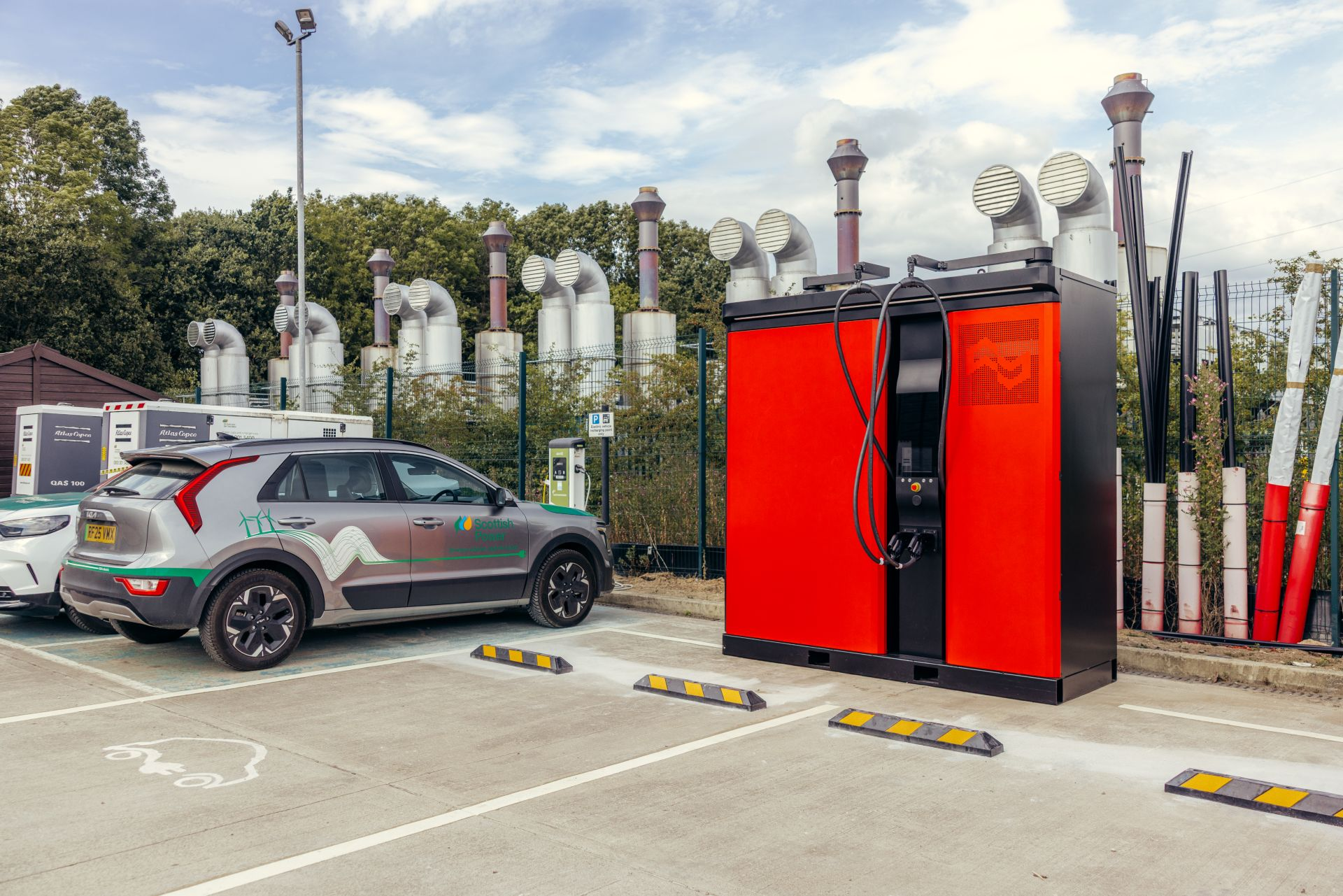
TUAL expands battery-buffered charging across three SP Energy Networks sites. The first UK commercial rollout follows the Middlewich pilot, using integrated storage to provide high-power DC charging around constrained connections and 30-minute fleet dwell periods.
-
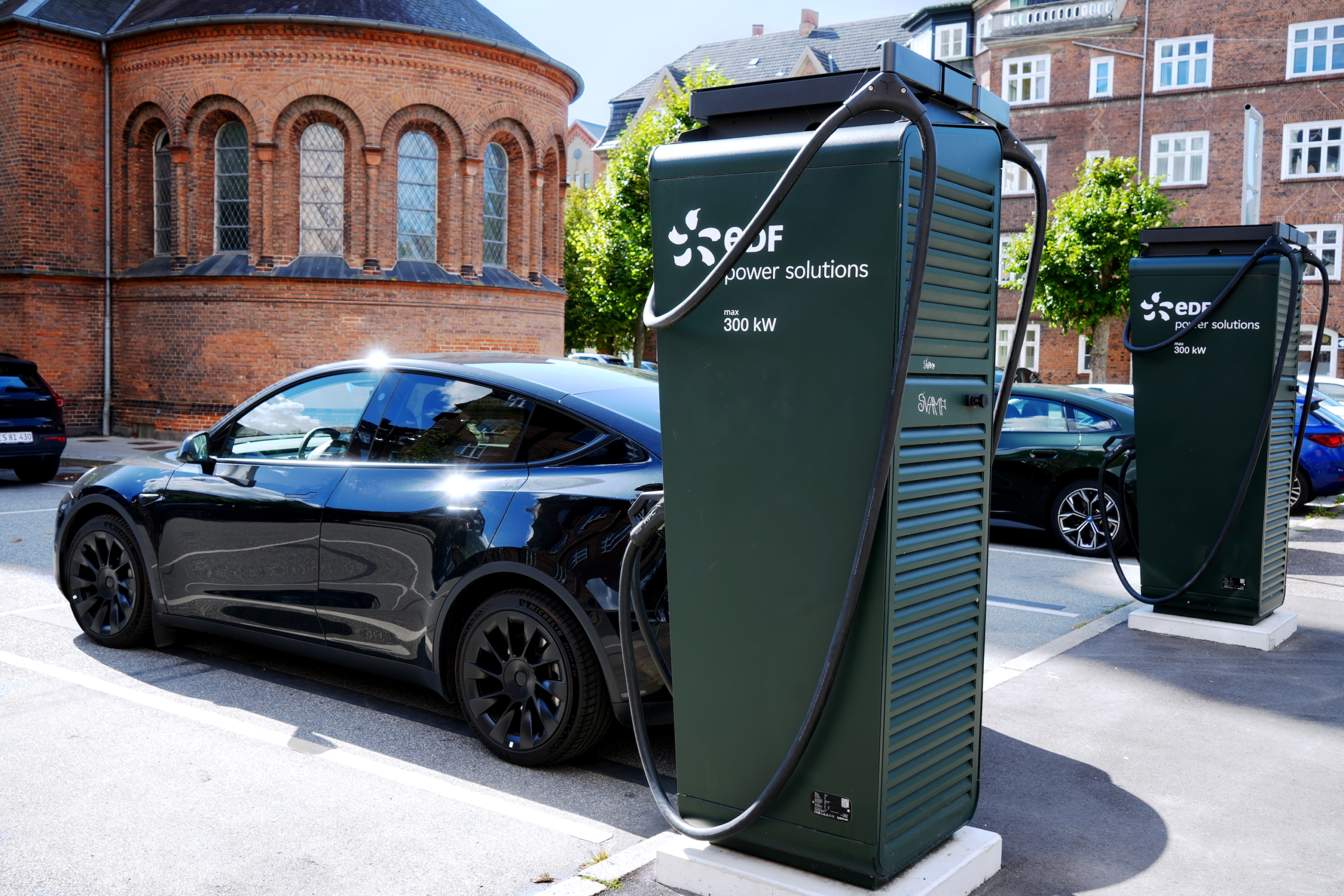
Clever has added 1,500 EDF charging points for Danish customers. The roaming agreement expands access to EDF’s existing public network, including 76 rapid chargers, rather than installing 1,500 additional physical charging points.
-
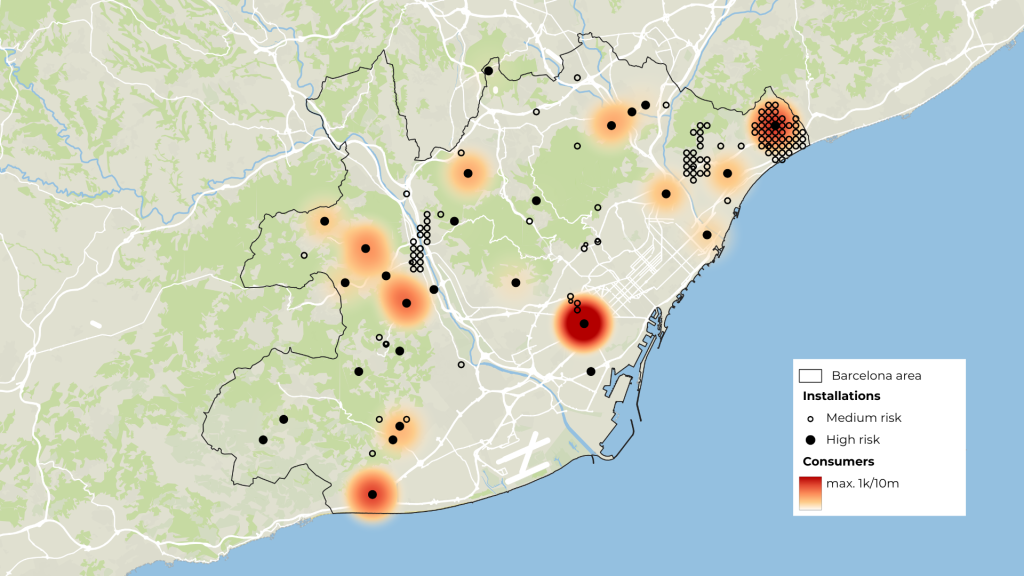
IREC has quantified flood exposure across Barcelona’s metropolitan electricity network. Its methodology estimates €3–4 million of expected annual damage while separating direct infrastructure losses from customer impacts and cascading failures across other critical systems.