IN Brief:
- EDF’s €8.7 billion plan covers nuclear, hydropower, and island activities in France through 2040.
- The programme responds to heat, drought, floods, storms, biological fouling, and changing water availability.
- EDF aims to update all relevant entity adaptation plans within a two-year cycle by the end of 2026.
EDF plans to commit €8.7 billion by 2040 to adapting its French nuclear, hydropower, and island activities to the physical effects of climate change, placing asset resilience alongside the group’s larger generation and network investment programmes.
The figure covers capital expenditure and operating costs in 2025 euros. EDF submitted a detailed and costed adaptation plan to the French authorities in early 2026 after assessing the vulnerability of its nuclear, hydroelectric, and island operations during 2025.
Bernard Fontana, chairman and chief executive of EDF, said the group intended to spend the money over the next 15 years to improve resilience across those activities. The programme addresses operating constraints associated with heat, drought, flooding, storms, fires, biological fouling, and changing water availability, while leaving the nuclear-safety requirements applied to the fleet unchanged.
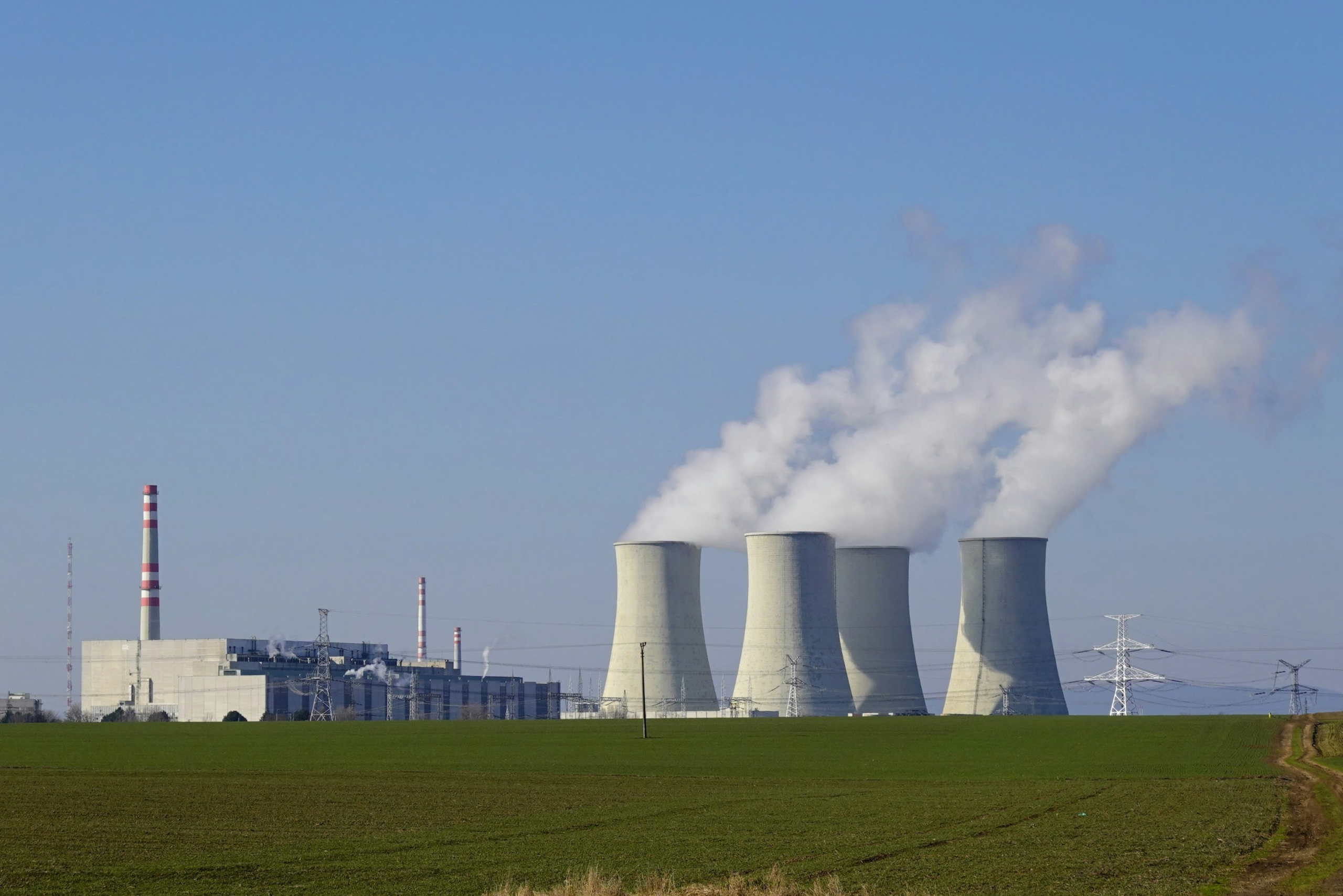
Thermal power stations depend on reliable cooling-water systems, and environmental limits control the temperature of water returned to rivers and coastal environments. Higher river temperatures and lower flows can therefore restrict output even when a reactor remains technically available. EDF is examining equipment that can cool residual condensate further before discharge, reducing the risk that environmental thresholds force generation reductions.
The company is also responding to less predictable biological conditions around water intakes. Three reactors at Gravelines were shut during August 2025 after large numbers of jellyfish clogged drums in the site’s pumping system. EDF has since organised additional monitoring and established arrangements with local fishermen intended to detect and manage concentrations, while separate work addresses algae.
Hydropower faces a different set of pressures. Reservoir inflows, snowmelt, evaporation, and competing water requirements influence the volume and timing of generation, while intense rainfall and flooding place additional demands on dams, spillways, and downstream management. The adaptation programme includes work intended to improve the availability and resilience of hydroelectric infrastructure rather than assuming that historical hydrological patterns will continue.
EDF recorded €932 million of climate-adaptation investment during 2025, representing about 4% of its total investment expenditure. Of the identified amount, €751 million related to distribution-network adaptation through Enedis, €88 million to nuclear activities, and €21 million to hydropower and island territories. EDF described the nuclear figure as a low estimate because resources associated with its ADAPT programme are still being developed.
Those annual figures are broader than the €8.7 billion plan, which applies specifically to nuclear, hydropower, and island activities in France. They show that adaptation is already treated as an engineering expenditure line across generation and networks, although the company has not published a project-by-project allocation for the full programme.
Climate resilience does not correspond to a single equipment category. Measures can include pumps, heat exchangers, cooling systems, flood barriers, strengthened electrical assets, monitoring, forecasting, maintenance procedures, and changes to operating rules. Some expenditure protects output directly; other work limits damage, shortens outages, or improves recovery after an extreme event.
EDF has set a target for all relevant entity adaptation plans to have been updated within the preceding two years by the end of 2026. The proportion stood at 75% in 2025, up from 54% in 2024. The review cycle is intended to incorporate updated climate projections, operating experience, and regulatory requirements rather than leaving plans unchanged for the life of an asset.
Long-lived power infrastructure makes that process particularly important. French nuclear stations, major dams, and island power systems are expected to operate for decades, so investments made now must account for conditions beyond the range considered when much of the equipment was designed. Adaptation work also has to be coordinated with maintenance outages and wider modernisation programmes to avoid unnecessary periods of unavailability.
French island systems add another set of constraints because they combine limited interconnection, smaller reserve pools, and exposure to storms, heat, and coastal conditions. Adaptation spending may therefore cover generation, fuel logistics, network assets, and control arrangements needed to maintain supply when outside support is restricted.
The programme will compete for capital with life-extension work, new nuclear construction, hydropower modernisation, and network reinforcement. Publishing an overall figure establishes scale, but delivery will be judged through site-specific works, outage performance, and the availability of generation during increasingly severe conditions.
The €8.7 billion commitment cannot eliminate weather-related constraints. River temperatures, drought, storms, and ecological limits will continue to affect output, and some events will remain beyond the economical design basis of individual assets. The programme instead provides a quantified framework for reducing exposure and maintaining generation where practical as France’s low-carbon fleet faces more demanding operating conditions.