IN Brief:
- Amey Infrastructure Wales is tendering planned, cyclical, reactive, repair, and renewal services for Core Valley Lines high-voltage systems.
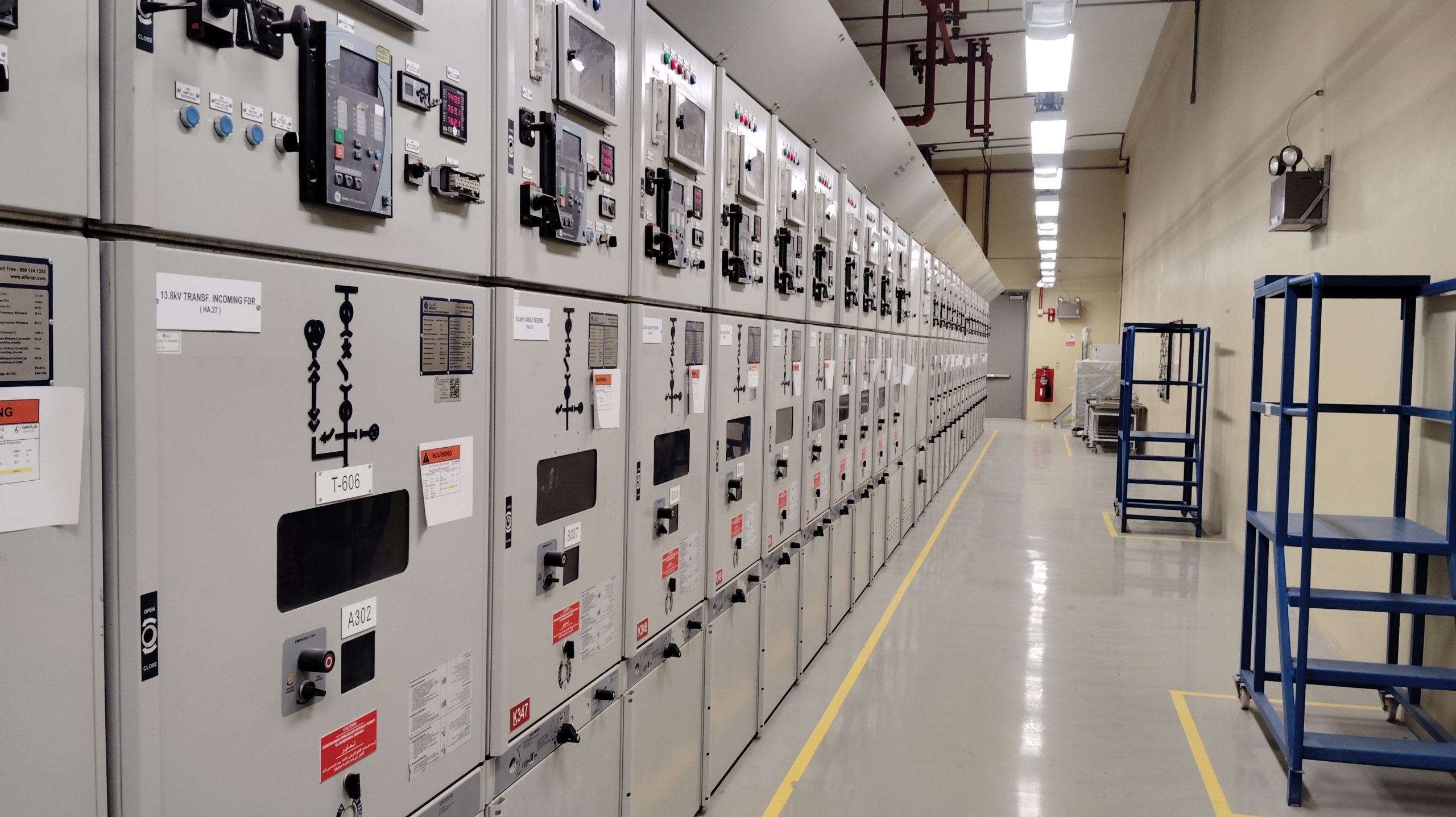
- Scope includes feeder and switching stations, 25kV traction equipment, 11kV supplies, auxiliary transformers, protection systems, and cables.
- Contractors must support isolations and technical access while maintaining a 24/7 emergency fault-response capability; bids close on 23 October.
Amey Infrastructure Wales is seeking a specialist contractor to provide planned and reactive maintenance for high-voltage power systems across the Core Valley Lines, moving the South Wales Metro’s recently completed electrification infrastructure into a long-term maintenance phase.
The contract covers traction and non-traction high-voltage systems, including feeder stations, switching stations, 25kV assets, 11kV auxiliary supplies, transformers, protection systems, cables and related infrastructure. The successful contractor will provide planned and cyclical inspection alongside reactive maintenance, repairs and renewal work.
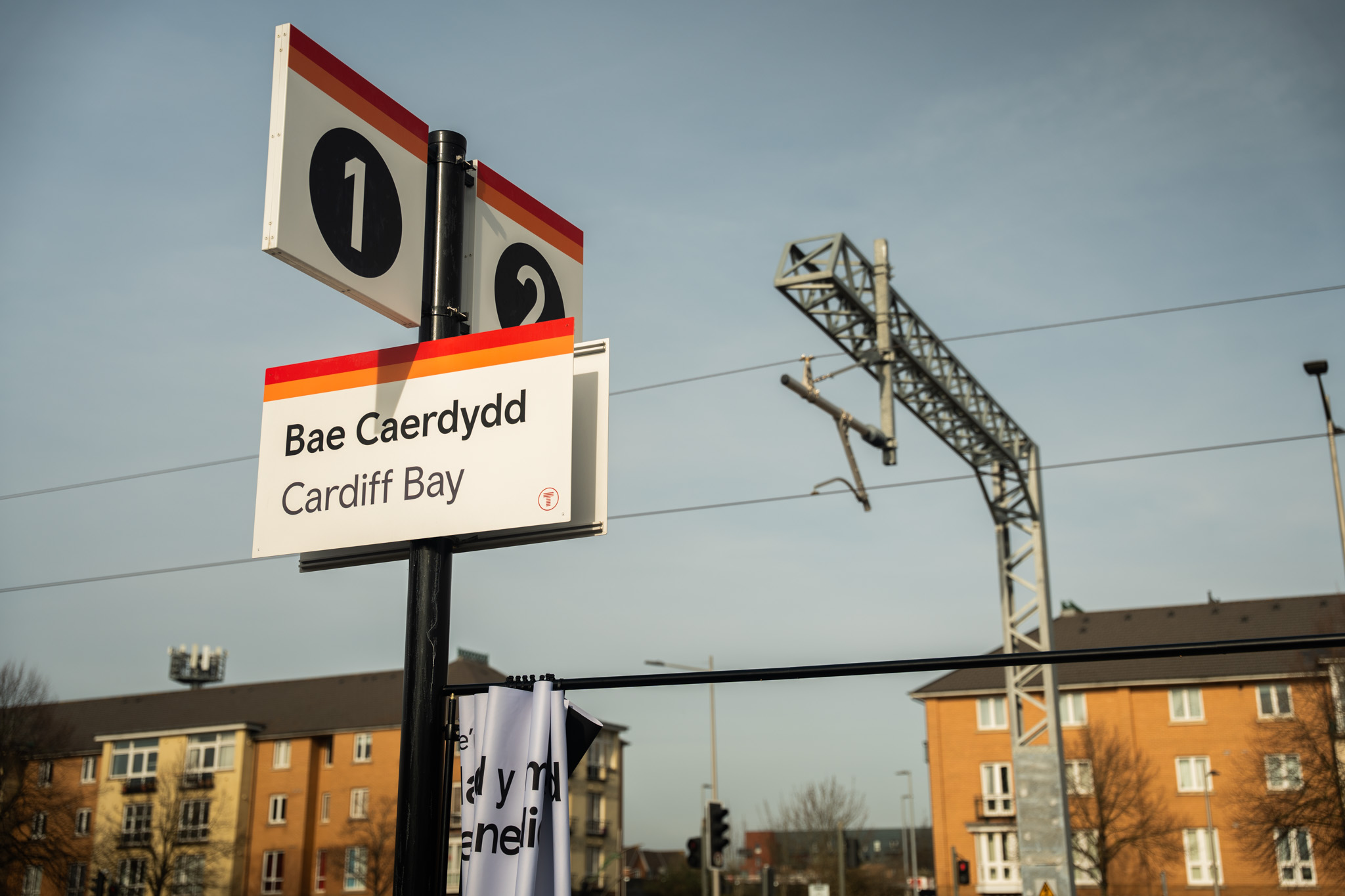
Amey Infrastructure Wales manages the Core Valley Lines infrastructure, which runs from Cardiff through the South Wales Valleys. Transport for Wales completed the electrification of the 170km network earlier this year after a six-year programme that substantially increased the amount of high-voltage equipment requiring routine asset management.
The electrification programme installed 281.5 miles of overhead wiring, more than 3,100 steel support posts and five substations. That construction phase created an operational electrical asset base that now has to remain available through inspection, testing, fault response and targeted renewal rather than project commissioning.
The maintenance tender requires a 24/7 emergency fault-response capability alongside defined response times and performance indicators. High-voltage defects can remove traction power from part of an electrified railway even where track, signalling and rolling stock remain otherwise available, making restoration time a direct part of railway performance.
Working on 25kV traction equipment also requires access procedures that extend beyond conventional electrical maintenance. The contractor must provide competent personnel for access planning, isolations and technical support, with work delivered against Network Rail standards and Amey’s own specifications.
Electrical isolation is particularly important because overhead line and feeder equipment can remain hazardous even where train services have stopped. Maintenance teams need clear control of switching boundaries, earthing and access authority before work begins, while the railway operation has to coordinate possessions and service restrictions around the electrical work.
Protection systems form another significant part of the contract. Relays and circuit breakers have to detect high-voltage faults quickly enough to protect equipment and personnel while discriminating between the failed section and healthy parts of the network. Periodic testing therefore has to prove both individual device operation and the coordination between protection zones.
The 11kV non-traction system adds a separate set of assets. Those supplies support auxiliary loads rather than delivering traction power directly to trains, but faults can still affect substations, operational facilities and other equipment required to keep the railway functioning.
Inspection and test records are explicitly required under the contract, together with defect reporting and performance against agreed indicators. Consistent records allow maintenance teams to identify repeat failures, deteriorating components and assets approaching renewal before they become service-affecting faults.
The Core Valley Lines electrification also differs from a conventional continuously wired railway. Transport for Wales introduced a Smart Electrification System combining wired and wire-free sections, allowing new tri-mode and battery-capable rolling stock to cross locations where continuous overhead wiring would have required more extensive civil modifications.
That arrangement reduced the need for work at difficult structures, but it places importance on the reliability of the sections that are energised. Trains depend on predictable transitions between overhead supply and onboard energy systems, so feeder availability, overhead line condition and switching performance remain fundamental to the operating plan.
The maintenance contractor will also support separately instructed project work. That gives Amey a mechanism to deliver targeted renewals and modifications through the same specialist capability used for routine high-voltage maintenance as the electrical network moves through its first years of operation.
Transport for Wales is continuing the wider Metro programme following completion of the electrification itself. New Class 398 tram-trains and Class 756 tri-mode trains are being introduced across the network, while final signalling and service changes continue to turn the newly electrified infrastructure into the planned operating railway.
The move from project delivery to asset maintenance changes the engineering priority. Construction teams were measured on installing substations, overhead equipment and supporting infrastructure; the maintenance contractor will be measured on whether those same assets remain available, safe and correctly documented after repeated switching, weather exposure and operational use.
The procurement notice was published on 21 September and closes on 23 October. Once appointed, the contractor will inherit a high-voltage system built rapidly across 170km of railway, with the less conspicuous task of ensuring the electrical infrastructure becomes routine enough that its operation is noticed mainly when something fails.